

A Return to Ancient Grains
Not long ago, bread in India was mostly a choice between white, brown, or atta. Today, bakery shelves and cafe menus are brimming with artisanal options, with sourdough leading the charge. But a quieter, more significant revolution is happening within
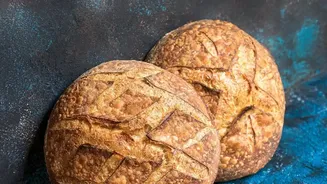
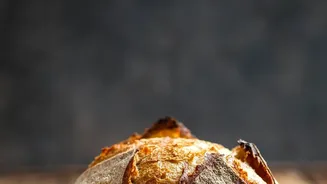
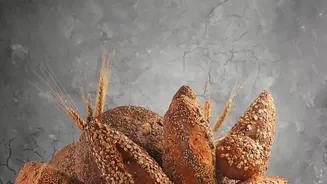
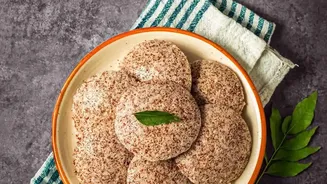
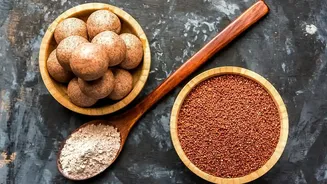
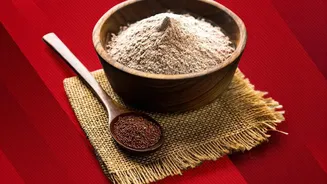
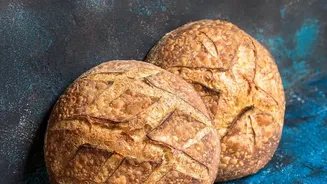
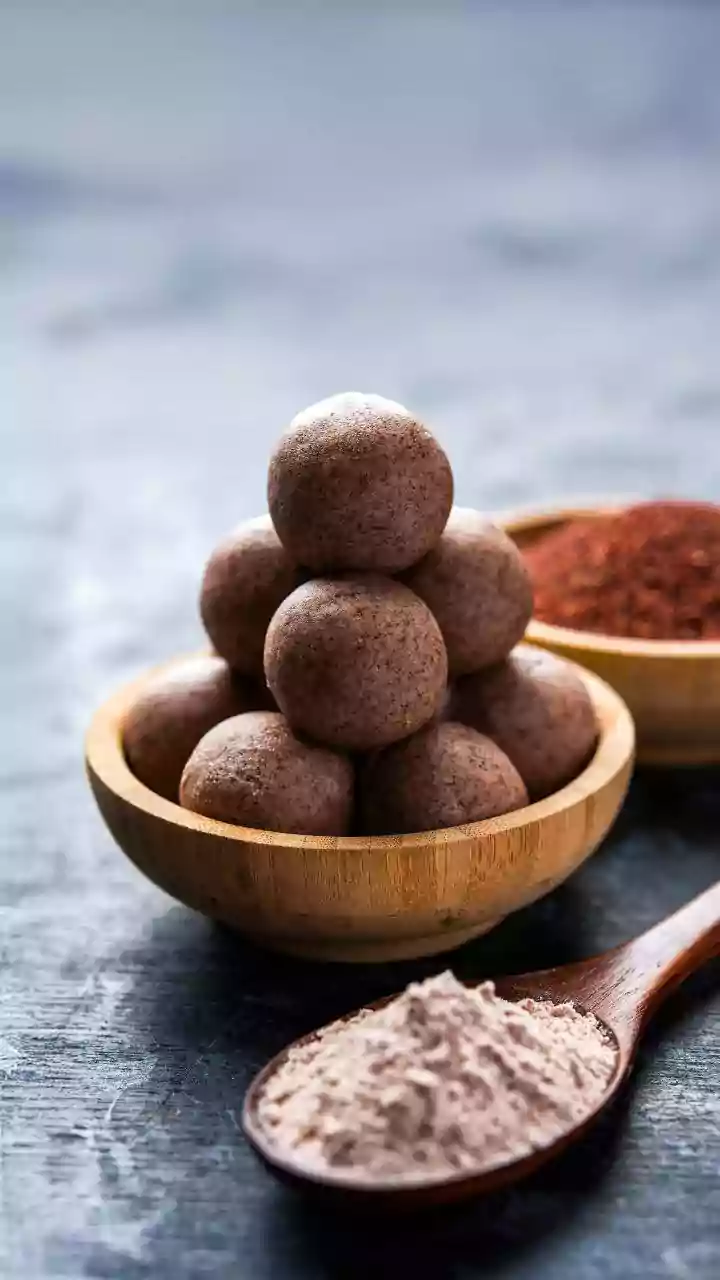
this trend: the reintroduction of ancient millets like ragi (finger millet) and jowar (sorghum). These grains, once staples of Indian households for generations, are making a comeback not in traditional rotis or porridges, but in crusty, chewy sourdough loaves. This movement isn’t just about novelty; it’s a conscious choice by bakers and consumers to infuse modern baking with traditional nutrition and flavour. There is a growing awareness among people about diversifying their diet and understanding the ingredients they consume.
The Nutritional Powerhouse in Your Loaf
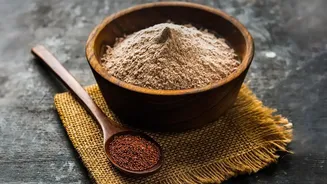
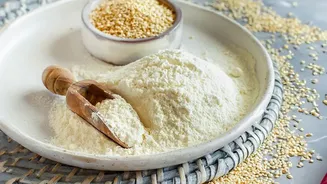
The primary driver behind this trend is health. Ragi and jowar are nutritional powerhouses, and their benefits are amplified through the sourdough fermentation process. Ragi is exceptionally rich in calcium, iron, and essential amino acids. Jowar is loaded with protein, fibre, and antioxidants. Both grains are naturally gluten-free and have a low glycemic index, which helps in managing blood sugar levels and promoting a feeling of fullness, aiding in weight management. The fermentation process of sourdough helps break down phytates, compounds found in grains that can limit mineral absorption. This means that when you eat a ragi-jowar sourdough, your body can more easily absorb the rich minerals these millets provide, making the bread more digestible and nutritious than its unfermented counterparts.
The Baker's Challenge: Crafting the Perfect Loaf
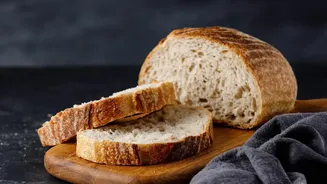
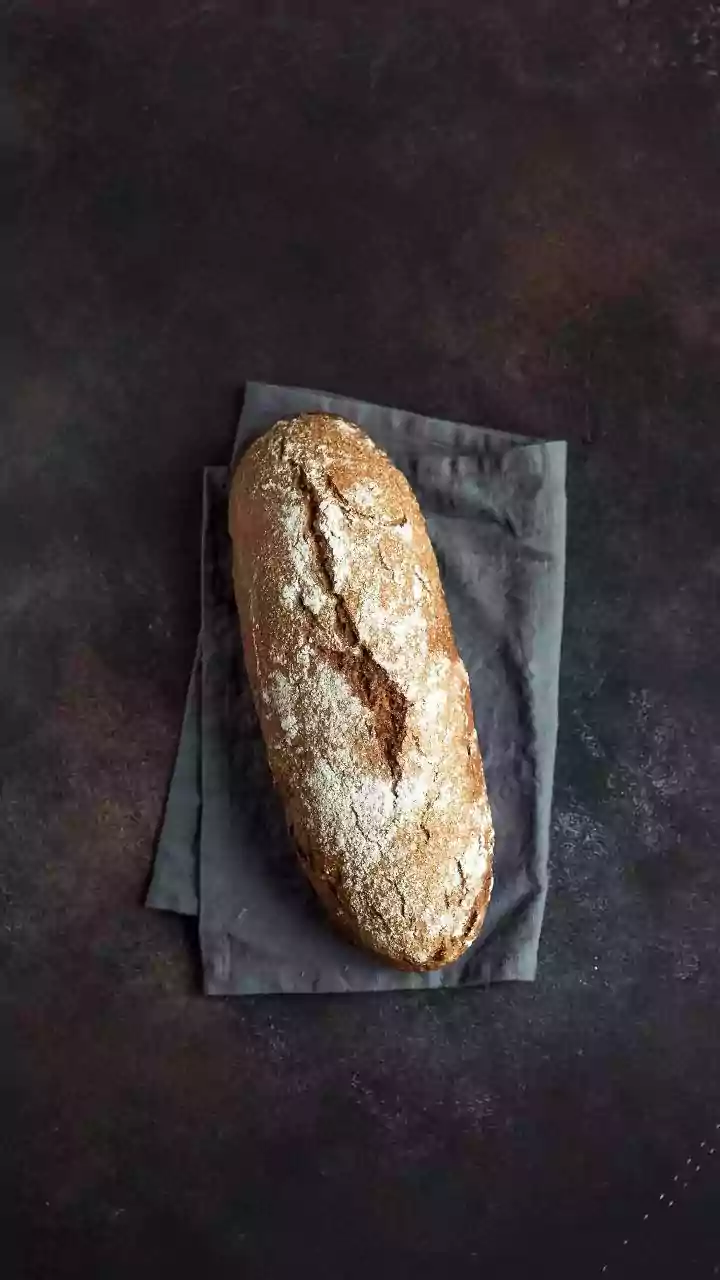
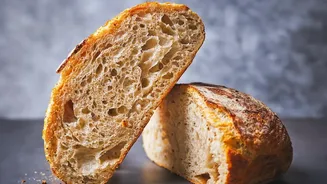
Incorporating ragi and jowar into sourdough is an art form. Unlike wheat, these millets are gluten-free, which presents a significant structural challenge. Gluten provides the elasticity that allows wheat bread to rise and maintain its airy texture. Without it, millet-based doughs can be dense and crumbly. Artisanal bakers overcome this by using clever techniques and ingredients. Binders like psyllium husk, flaxseed meal, or chia seeds are often added to create a gel that mimics the function of gluten, providing structure and moisture. The hydration levels are also carefully managed, as these flours absorb water differently than wheat. It requires skill and experimentation to balance these elements, but the result is a loaf with a beautifully soft, moist crumb and a crisp crust.
A Unique Flavour and Texture
Beyond the health benefits, ragi and jowar bring a unique and desirable flavour profile to sourdough. Ragi imparts a deep, earthy, and slightly nutty taste, while jowar offers a milder, subtly sweet flavour. When combined with the characteristic tang of sourdough, the result is a complex, richly flavoured bread that stands out from standard wheat-based loaves. The texture is also distinct—often heartier and more satisfying, with a tender crumb. This unique sensory experience is a major draw for consumers looking for food that is not only good for them but also genuinely delicious and interesting. Toasting a slice of millet sourdough enhances these nutty notes, making it a perfect base for both savoury and sweet toppings.