




For the Casual Walker: Easy & Scenic Paths
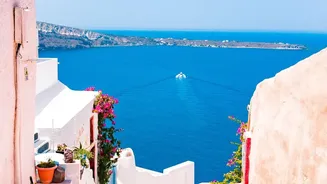
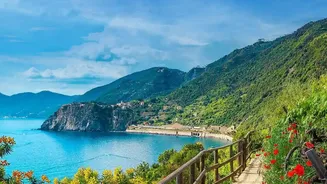
If you're looking for a gentle introduction to Greek hiking, you don't need to commit to a multi-day trek. Many islands and mainland areas offer short, rewarding walks that are rich in history and scenery. The Fira to Oia trail on Santorini is a classic
example. This 10-kilometre walk takes about three to four hours, winding along the edge of the magnificent caldera. The path is mostly paved or well-trodden, passing through whitewashed villages like Imerovigli and Firostefani. While there are some gentle inclines, the breathtaking views of the Aegean Sea make it an unforgettable experience for most fitness levels. Another excellent option for a less strenuous walk is the Byzantine Road on the island of Paros. It's the oldest path on the island, dating back to 1000 AD, and connects the mountain village of Lefkes to the coast. The 3.5-kilometre trail is mostly flat or downhill, paved with marble, and takes you through ancient olive groves with views of the neighbouring island of Naxos.
For the Steady Hiker: Rewarding Intermediate Treks
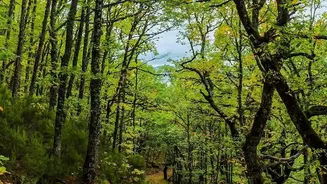
For those with a good level of fitness who are ready for a more substantial challenge, Greece's certified trails offer well-marked routes through stunning interior landscapes. The Menalon Trail in the Arcadia region of the Peloponnese is one of the country's treasures. It was the first trail in Greece to receive European certification for its quality and maintenance. The full trail is 75 kilometres long and divided into eight sections, but many hikers choose to tackle one or two of the most scenic parts. The section from Stemnitsa to Dimitsana is often considered the most beautiful, though it involves a steep descent into the Lousios Gorge and a climb back out. This 12.5-kilometre stretch can take around five hours and passes by historic cliffside monasteries. While the trail is rated as moderate and not overly technical, it requires sturdy footwear and a solid fitness base. Another fantastic intermediate option is the Ursa Trail in the Pindus Mountains around Metsovo. This 40-kilometre loop also has a 'Leading Quality Trails' certification and winds through dense forests of black pine and beech. Hikers can tackle shorter sections, like the 9-kilometre path to the Karakoli summit, which offers a great day hike through pristine mountain wilderness.
For the Adventurous Trekker: Epic Mountain Challenges
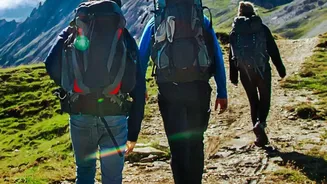
If you are an experienced hiker seeking a serious physical challenge, Greece delivers with some of Europe's most legendary treks. The ascent of Mount Olympus, the mythical home of the gods, is a bucket-list goal for many. As Greece's highest mountain, it features 52 peaks, with the highest being Mytikas at 2,918 metres. Reaching Mytikas is a demanding feat that should only be attempted by seasoned hikers, often with a guide. The final section from the Skala peak to Mytikas involves a Class III rock scramble with significant exposure. However, reaching the lower Skolio peak is a more accessible, non-technical goal that still provides incredible views. Most treks take two or three days, with overnight stays in mountain refuges. Equally famous is the Samaria Gorge on the island of Crete, one of the longest gorges in Europe. This one-way hike is a 16-kilometre descent from the Xyloskalo plateau down to the Libyan Sea. While it's almost entirely downhill, it's a demanding walk of 4-7 hours on uneven, rocky terrain that is tough on the knees. A good level of fitness is required to complete it comfortably. The reward is passing through the 'Iron Gates', where the gorge walls are just four metres apart and rise 500 metres high, before finishing at the coastal village of Agia Roumeli.
Essential Tips for Hiking in Greece
Regardless of the trail's difficulty, preparation is key to a safe and enjoyable hike. The best times to hike in Greece are during the spring (April to June) and autumn (September to October). The weather is pleasant, the landscapes are lush, and you avoid the dangerous summer heat, when temperatures can make strenuous activity unsafe. Always wear proper footwear, such as broken-in hiking boots or high-quality trail runners, as even easy paths can have rocky sections. Sun protection is non-negotiable; pack a wide-brimmed hat, high-SPF sunscreen, and sunglasses. Carry plenty of water, as sources can be scarce on many trails, especially in the mountains. Finally, while many popular trails are well-marked, it's wise to have a navigation app or physical map, particularly on less-trodden paths.