

The Hazard Audit: Beyond the Obvious
A cat’s curiosity can lead them into unexpected trouble. While many owners know to keep cleaning supplies locked away, common household items can also pose a threat. Electrical cords are often viewed as chew toys, so consider covering them with cord protectors.
The dangling cords from window blinds present a strangulation risk and should be secured or tied up safely out of reach. Look around for small items that could be swallowed, such as hair ties, rubber bands, paper clips, and small craft supplies. Cats are also sensitive to many chemicals that humans tolerate. Their livers don't process toxins in the same way, making them vulnerable to substances in certain cleaning products, and even some essential oils. Always check that products are pet-safe, and be mindful that anything your cat walks on can be ingested later during grooming.
Thinking in 3D: The Importance of Vertical Space
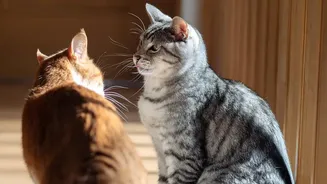
For an indoor cat, the world can feel small and monotonous at floor level. Cats are natural climbers, and providing vertical space is crucial for their mental and physical well-being. In the wild, height offers security and a vantage point to survey their territory. In a multi-cat household, vertical territory can even reduce conflict by allowing cats to establish their own space without physical disputes. You don’t need to break the bank to achieve this. Cat trees, wall-mounted shelves, and window perches are excellent options. Even clearing off a sturdy bookshelf or the back of a sofa near a window can expand your cat’s world and provide valuable mental stimulation.
Window Wisdom: A Room with a (Safe) View
Windows are a cat’s television, providing hours of entertainment from birds and passersby. However, an open, unsecured window is one of the biggest dangers for apartment-dwelling cats, leading to a phenomenon vets call "High-Rise Syndrome." A distracted cat can easily lose its balance and fall while chasing an insect or dozing in the sun. Sturdy, well-fitted screens are non-negotiable for every window, even small ones. For windows without permanent screens, expandable screens that lock securely into the window tracks can be an acceptable solution. Never assume a cat won't push through a loose screen. Reinforcing screens or using window guards provides an extra layer of security and peace of mind.
Enrichment That Engages the Mind
A bored cat is often a destructive cat. Environmental enrichment is key to preventing behavioral issues and keeping your cat mentally sharp. This goes beyond just leaving toys out. Rotate toys every few days to keep them novel and interesting. Interactive playtime, using items like feather wands that mimic prey, strengthens your bond and satisfies their hunting instincts. Food puzzles are another fantastic tool; they make your cat “work” for their meal, providing a mental challenge that simulates foraging. You can buy these or make your own by cutting holes in a plastic bottle or cardboard box. Even simple things like cardboard boxes, paper bags with the handles removed, or growing some cat-safe grass can provide significant stimulation.
A Personal Sanctuary
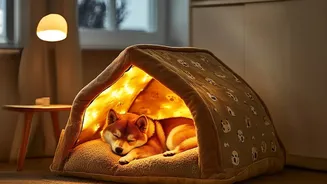
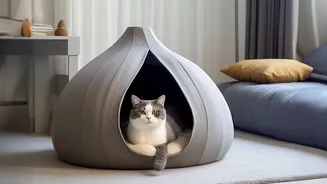
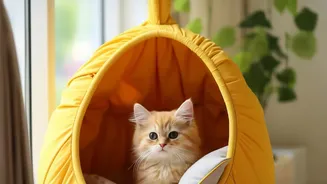
Just as important as stimulation is the need for a safe, quiet place to retreat. Every cat needs a personal comfort zone where they can relax without being disturbed, especially in a busy household. This could be a high shelf, the inside of a closet, a covered bed, or even a carrier that’s left open and made inviting with soft bedding. This space should be respected as the cat’s private area. When they are resting there, they should be left alone. Providing a reliable sanctuary helps reduce stress and gives your cat a sense of control over their environment, which is fundamental to their happiness and well-being.