





The Ultimate Extension Cord
At its heart, a Remotely Operated Vehicle (ROV) is a sophisticated underwater robot. But without a connection to its human pilots on a surface ship, it’s just a collection of inert machinery. The fiber optic tether is that critical link, acting as a combination
power cord, data line, and strength cable. Unlike wireless signals like radio waves, which are quickly absorbed by water, a physical cable is the only reliable way to maintain control and receive high-quality information over long distances underwater. This multi-talented cable delivers the electricity needed to power the ROV's thrusters, lights, robotic arms, and sensitive scientific instruments.
Transmitting Data at the Speed of Light
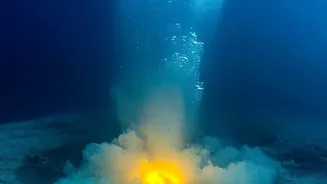
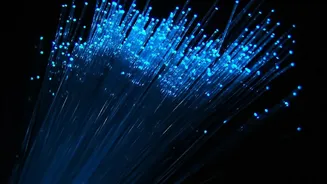
The 'fiber optic' part of the tether is where the magic really happens. These are incredibly thin strands of glass or plastic, thinner than a human hair. Data is transmitted through them not as electrical signals, but as pulses of light. This method allows for immense bandwidth, meaning a huge amount of information can be sent back and forth with virtually zero delay. This is what enables pilots to see crystal-clear, high-definition video in real-time, as if they were peering directly through a window into the abyss. It also transmits a constant stream of complex data from various sensors, measuring everything from water temperature and salinity to chemical compositions around hydrothermal vents.
Engineered for Extreme Environments
An ROV tether isn't just a simple cable; it's a marvel of material science, engineered to survive one of the most hostile environments on the planet. The deepest ocean trenches can exert pressures of over 9,000 psi, enough to crush most materials. To withstand this, tethers are built in layers. At the core are the delicate fiber optics and copper power conductors. These are surrounded by strength members, often made from high-tensile synthetic fibers like Kevlar or steel wires, which prevent the cable from stretching or snapping under its own immense weight and the strain of deployment and recovery. The entire bundle is encased in a durable, abrasion-resistant outer sheath, typically made of materials like polyurethane, to protect it from saltwater corrosion and jagged underwater terrain.
A Window to Unseen Worlds
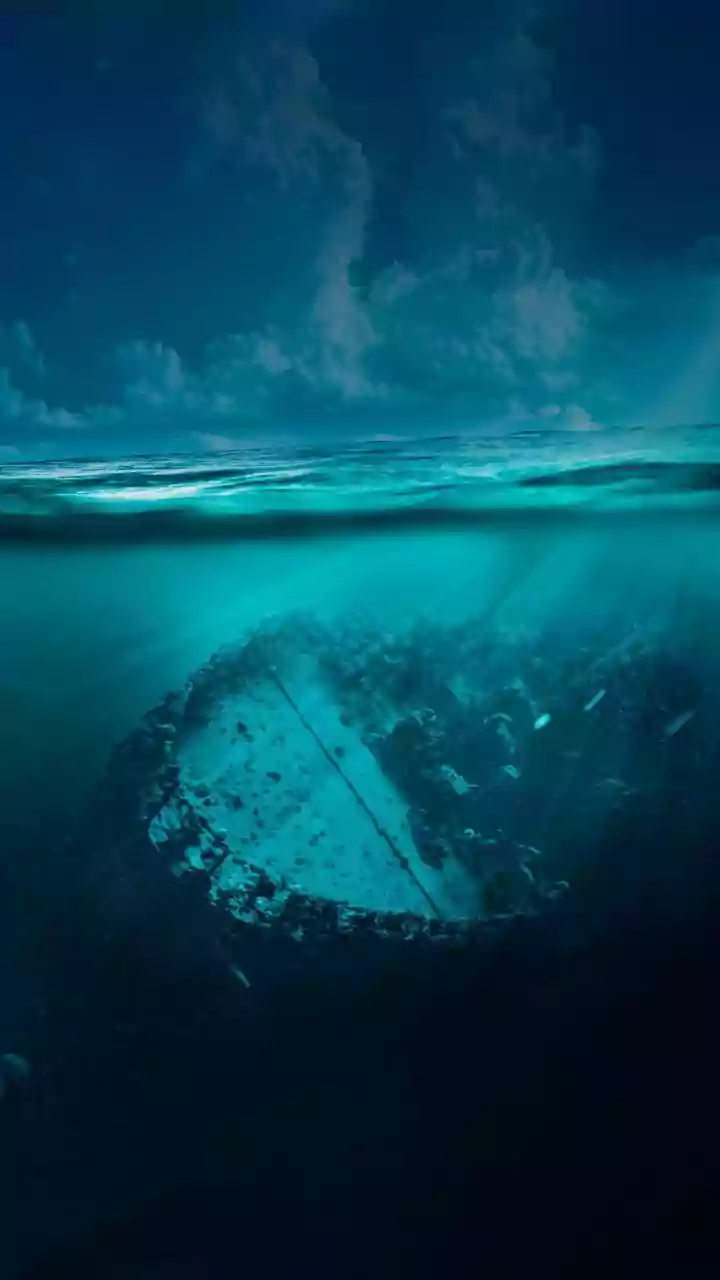
This real-time, high-bandwidth connection has fundamentally revolutionized ocean exploration. Scientists are no longer just dropping instruments blindly into the deep. With tethered ROVs like 'Jason' or 'Hercules', they can actively explore, react, and investigate what they see. This capability has led to countless discoveries, from identifying strange new species of marine life to exploring the wreckage of historic ships like the Titanic and the Israeli submarine Dakar. Pilots on the surface can use the ROV's manipulator arms with surgical precision to collect biological specimens, place sensors, or even recover artifacts weighing several tons. The tether transforms a remote machine into a direct extension of the scientist's hands and eyes.
Overcoming the Challenges of Distance
While essential, the tether itself presents challenges. Managing kilometers of cable to prevent it from snagging on seafloor obstacles or getting tangled by currents is a constant operational task. The length and weight of the cable spool can be so significant that they dictate the size of the support vessel required, making expeditions a massive logistical undertaking. Some innovative 'hybrid' ROVs have experimented with ultra-thin, expendable fiber that is spooled out from the vehicle itself, reducing the need for heavy winches. However, for the powerful work-class ROVs that perform heavy tasks and detailed scientific surveys, the robust, load-bearing, multi-layered tether remains the indispensable lifeline.