
The Age of the Perfect 'Shelfie'
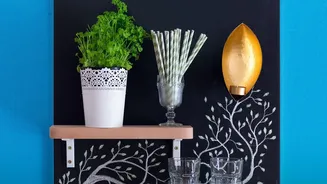
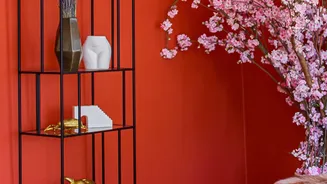
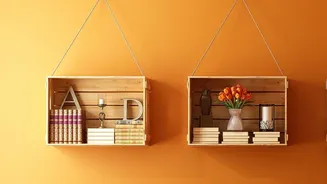
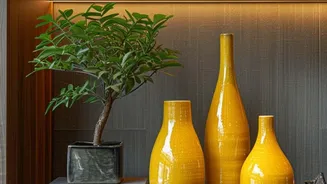
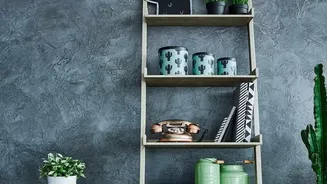
You know the look: books with colour-coordinated spines (some turned backward), a minimalist ceramic vase, a trendy candle, and a small, quirky brass object. For the better part of a decade, the art of the 'shelfie'—a styled shelf selfie—dominated platforms
like Instagram and Pinterest. It was a look that was less about living and more about performing. The goal was to create a visually pleasing vignette that was balanced, on-trend, and, above all, photogenic. These shelves often felt more like showroom displays than parts of a home, filled with generic decor designed to look good on camera rather than hold any personal significance. The pressure was on to make our homes look perpetually tidy and effortlessly chic, even if it meant hiding our actual, lived-in clutter.
From Curated to Authentic
Lately, however, a collective exhaustion with this kind of perfection has set in. Designers and homeowners are questioning the soullessness of these cookie-cutter displays. The trend reversal is a quiet rebellion against spaces that feel staged and impersonal. There's a growing desire for homes that reflect who we are, not just what's in style. This shift has been described as moving from a 'furnished' home to an 'inhabited' one. The over-styled shelf, once a status symbol, is starting to feel hollow and inauthentic. After all, maintaining that level of curated perfection is tiring, and many are realizing their homes should be a source of comfort, not a constant styling project.
The Rise of Meaningful Displays
In place of the over-styled shelf, a new approach is taking hold: the celebration of meaningful, personal objects. This isn't about abandoning aesthetics, but rather, grounding them in personal history and emotion. The focus now is on creating displays that tell a story about the people who live there. Think less about what's trendy and more about what's treasured. This could be anything from travel souvenirs and family heirlooms to a child's art project or a collection of worn-out paperbacks. The new goal is to create a space that feels layered, personal, and collected over time. Imperfection is not only accepted but embraced, as the subtle marks of a life well-lived add character and warmth.
Crafting Your Own Narrative
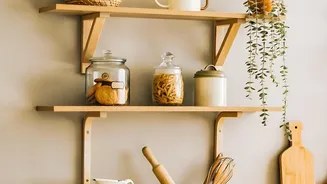
So, how do you create a shelf display that is both beautiful and meaningful? Start by gathering items you truly love, regardless of their monetary value or trendiness. The key is to edit with intention. You don't have to display everything you own at once. Instead, create small groupings or 'vignettes' that tell a story. An interior designer's easy-to-remember framework is the 'TLC' method: group a Tall object, use Layers for depth, and add something Curved to soften the look. Mix textures and materials—combine wood, ceramics, glass, and textiles. Most importantly, allow your shelves to be dynamic. They should evolve as you do, with new objects being added and others being stored away. A good bookcase is always evolving. This approach makes your home feel alive and uniquely yours.