




Fortify Your Vehicle for the Road Ahead
Your car is your first line of defence against the elements, and its readiness is non-negotiable for a stress-free journey. The most critical check is your tyres. Experts recommend a minimum tread depth of 3mm for monsoon driving, as worn-out tyres struggle
to channel water away and significantly increase the risk of aquaplaning, where your car glides uncontrollably on a layer of water. Next, inspect your wiper blades. If they leave streaks or make squeaking sounds, replace them; clear visibility in a downpour is priceless. Equally important are your brakes, which work harder on wet roads. Worn brake pads can increase stopping distances dangerously. Finally, ensure all lights—headlights, tail-lights, and fog lamps—are working perfectly. In heavy rain, visibility can drop dramatically, and functioning lights are essential not just for you to see, but for others to see you.
Safeguard Your Belongings from Water Damage
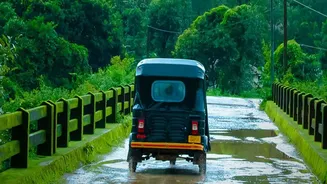
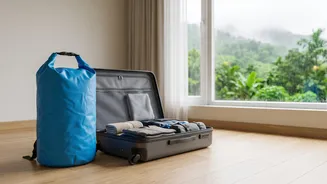
There's nothing more disheartening than arriving at your destination to find your clothes damp and your electronics ruined. Standard luggage is rarely fully waterproof. Rain can seep through zippers and fabric, especially when bags are exposed on railway platforms or in the back of auto-rickshaws. The solution is layered protection. Invest in waterproof bags or, at a minimum, a quality rain cover for your existing luggage. For electronics like laptops, phones, and chargers, use individual waterproof pouches or even heavy-duty zip-lock bags as a secondary barrier inside your main bag. Distributing silica gel packets throughout your luggage can also help absorb ambient moisture, which is crucial in India's high-humidity monsoon conditions where dampness can set in even if the bag isn’t directly hit by rain.
Prioritise Personal Comfort and Health
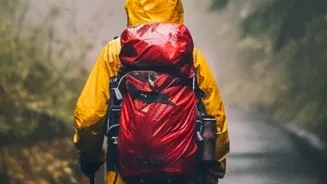
Staying dry and comfortable is key to enjoying your trip. Packing the right personal gear prevents you from feeling miserable and warding off potential illnesses. A lightweight, breathable but sturdy raincoat or poncho is a must-have. When it comes to clothing, prioritise synthetic, quick-dry fabrics like polyester over cotton, which takes a long time to dry and can start to smell damp. Always pack an extra set of clothes in a sealed, waterproof bag. Your footwear choice is also critical. Opt for rain-proof sandals, floaters, or boots with excellent grip to navigate slippery surfaces and prevent fungal infections. Lastly, carry a basic first-aid kit that includes essentials like antiseptic, bandages, pain relievers, and any personal medications, as well as insect repellent, since the monsoon is a breeding season for mosquitoes.
Pack for Unpredictable Scenarios
Monsoon travel can be unpredictable, with potential for power cuts, poor mobile network coverage, and road blockages due to waterlogging or landslides. Being prepared for these situations is the final piece of the stress-free puzzle. Carry a fully charged power bank to keep your devices running, as power outages are common. Download offline maps for your route, as you can't always rely on mobile data in remote or hilly areas. An emergency kit for your car should include a torch or headlamp, basic tools, extra fuses, and a tow rope. It's also wise to pack non-perishable snacks and sufficient water in case of long delays. These small additions don't take up much space but can be lifesavers if you find yourself stranded or waiting for conditions to improve.