







The Allure of the 'Health Halo'
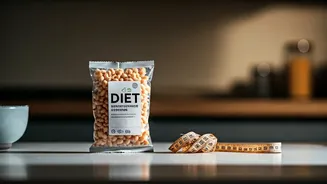
One of the biggest traps of diet chips is the “health halo” effect. When a food is labeled “low-fat,” “baked, not fried,” or “low-calorie,” we tend to perceive the entire product as healthy. This psychological trick makes us feel virtuous about our choice,
which can lead to overconsumption. We might eat the whole bag, figuring the calories are negligible. However, many of these snacks, while lower in fat, are still highly processed and can be high in sodium or refined carbohydrates, which offer little nutritional value.
The Calorie-Isn't-Everything Conundrum
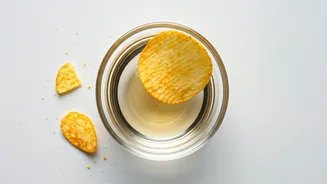
Focusing solely on a low-calorie count can be misleading. A 100-calorie snack is not automatically healthy. The real measure of a good snack is its nutrient density—what it provides your body in terms of vitamins, minerals, protein, and fiber. Diet chips are often what experts call “empty calories.” They fill a momentary craving for crunch but provide very little substance. True satiety comes from nutrients that your body can actually use for sustained energy, not just a fleeting taste experience.
The Artificial Ingredient Puzzle
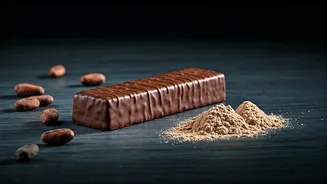
To cut calories, manufacturers often turn to artificial sweeteners and fat substitutes. While approved by regulatory bodies, the long-term health impacts of these ingredients are still being debated. Some studies suggest that artificial sweeteners can interfere with our body's ability to regulate hunger and calorie intake. When you taste something sweet but no calories arrive, it can confuse the brain’s reward system, potentially leading to increased cravings later. Similarly, fat substitutes like Olestra famously caused unpleasant digestive issues because they pass through the body undigested.
The Hunger and Satiety Trap
The ultimate goal of a mid-day snack is to bridge the gap to your next meal, keeping hunger and energy levels stable. This is where diet chips truly fail. Lacking sufficient protein and fiber, they don't keep you full. After a serving of processed carbs, your blood sugar can spike and then crash, leaving you feeling even hungrier and more sluggish than before. This often leads to a vicious cycle: you eat the diet chips, feel unsatisfied, and then reach for another snack an hour later, ultimately consuming more calories than if you had chosen a nutrient-dense option in the first place.
Building a Better, Smarter Snack
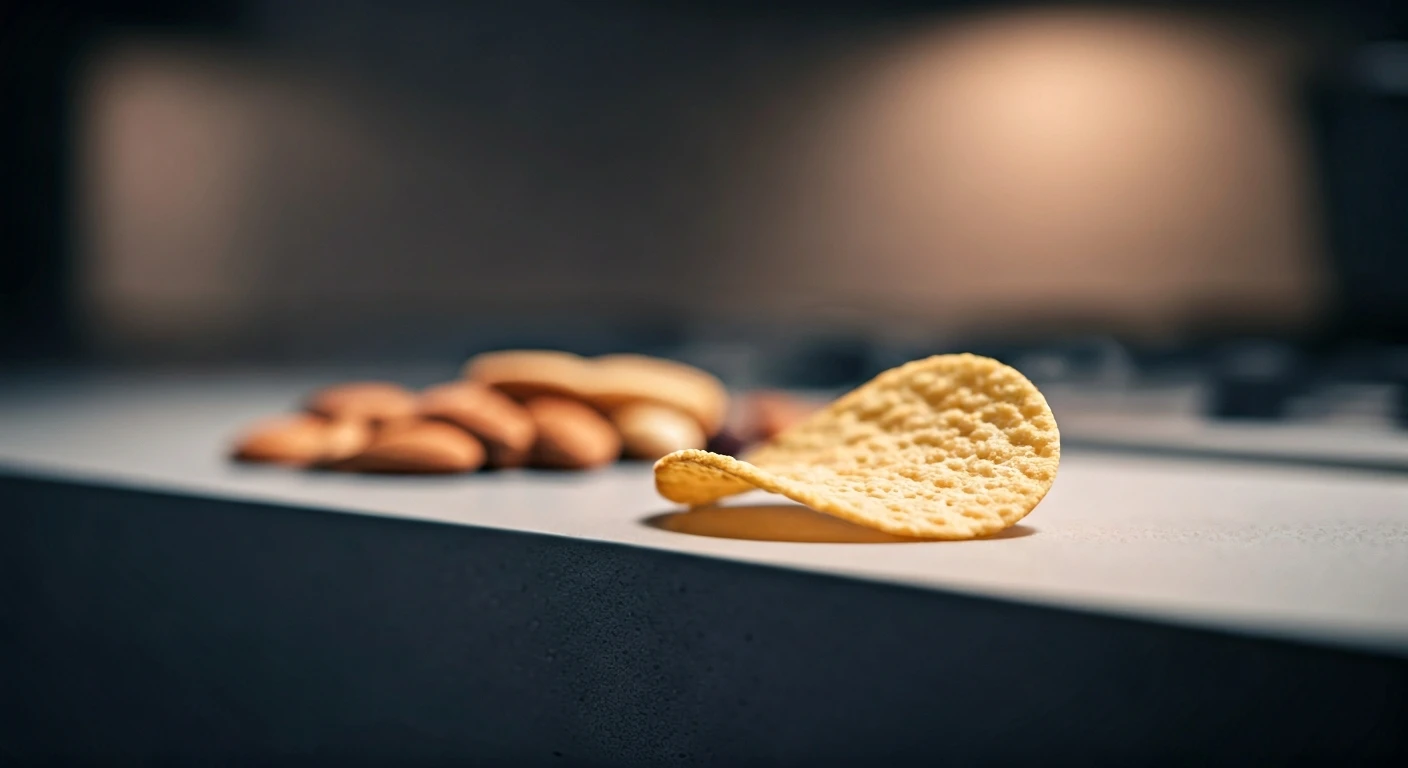
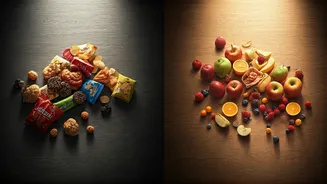
Escaping the diet chip trap means redefining what a snack should be. The goal is a combination of protein, healthy fats, and fiber. This trio works together to slow digestion, stabilize blood sugar, and provide lasting energy. Instead of reaching for a processed bag, consider these simple, satisfying alternatives: a handful of almonds, an apple with peanut butter, plain Greek yogurt with berries, a hard-boiled egg, or vegetable sticks with hummus. These whole-food options deliver the crunch or sweetness you crave while genuinely fueling your body and keeping you satisfied until your next meal.