
The Allure of Miniature Landscapes
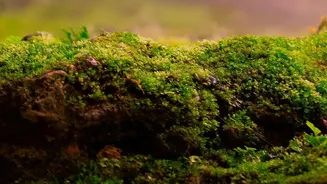
There is a unique tranquility to moss. Its velvety texture, vibrant green hues, and ancient feel can transform a simple bowl or terrarium into a captivating slice of nature. This is the core of biophilic design: the idea that connecting with nature indoors
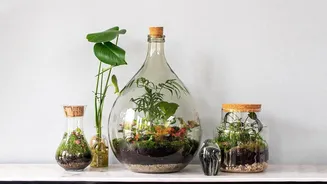
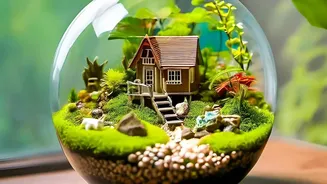
can reduce stress and improve well-being. Unlike more demanding houseplants, a moss garden is a piece of living art that asks for very little, offering a sense of calm and a connection to the natural world. Whether in a glass jar on a desk or a shallow dish on a coffee table, these displays bring a touch of the forest floor into our daily lives.
Choosing the Right Moss
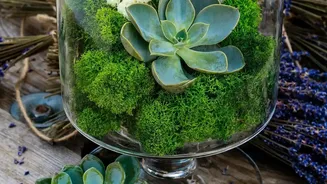
Not all moss is created equal, especially for indoor use. For a thriving live display, you’ll want to select species that do well in contained, humid environments. Cushion Moss (Leucobryum glaucum), also known as Pillow Moss, is a popular choice for its dense, mounded shape. Sheet Moss (Hypnum) varieties are great for creating a carpet-like base. These can often be purchased from specialist growers or garden centres. For a zero-maintenance option, preserved moss is an excellent alternative. It is real moss that has been treated to retain its colour and texture without needing water or light, making it ideal for wall art or use in low-light areas.
Gathering Your Natural Palette
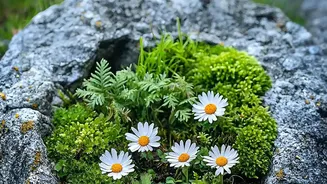
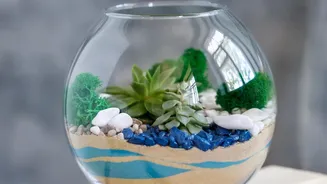
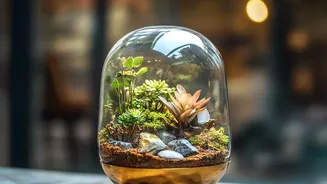
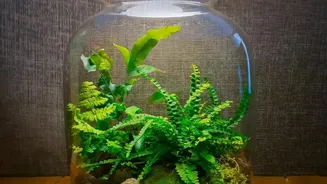
The beauty of a moss garden lies in the interplay of textures. The soft moss contrasts wonderfully with the hard, cool surfaces of stones and the rustic feel of wood. Start by selecting a container. A glass terrarium with a lid is perfect for maintaining humidity, while an open ceramic dish creates a more meditative, zen-like feel. For your foundation, gather small pebbles or gravel for drainage. Then, collect a variety of stones. Smooth river rocks create a sense of calm, while rougher, more porous stones like lava rock or sandstone provide excellent texture and a surface for moss to grip. Small pieces of driftwood or twigs can add height and another layer of natural complexity.
Step-by-Step Assembly
Creating your moss garden is a simple and meditative process. Start by adding a layer of small pebbles to the bottom of your clean container for drainage. On top of that, add a thin layer of activated charcoal, which helps to filter impurities and keep the environment fresh. Next, add a suitable substrate. A mix of peat moss and potting soil works well, as moss prefers slightly acidic, nutrient-poor conditions. Moisten the substrate before you begin arranging. Gently press your chosen moss onto the surface; since moss absorbs water through its leaves, it doesn’t need to be buried. Arrange your stones and any other decorative elements to create a natural-looking scene, playing with height and focal points.
Care and Maintenance
Caring for a live moss garden is simple. The most important rule is to keep it moist but not waterlogged. Mist your moss every few days with a spray bottle, preferably using rainwater or distilled water, as the chlorine and minerals in tap water can harm the moss over time. If your garden is in a closed terrarium, you'll need to water it less frequently; condensation on the glass is a sign that humidity is sufficient. Moss thrives in indirect light, so a north facing window or a spot away from direct sun is ideal. If your moss starts to look overgrown, you can simply trim it with small scissors.