






What Exactly Is Your Skin Barrier?
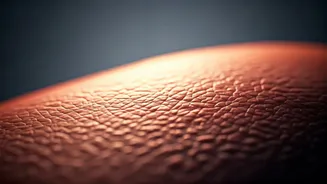
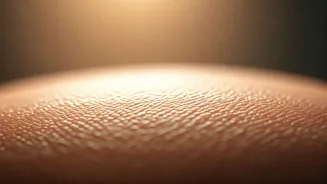
Think of your skin barrier, or stratum corneum, as a tiny but mighty security guard for your body. It's the outermost layer of your skin, made up of skin cells (the “bricks”) held together by lipids like ceramides and fatty acids (the “mortar”). This
wall has two crucial jobs: it keeps essential water in, maintaining hydration, and it keeps harmful environmental threats like pollutants, bacteria, and allergens out. A healthy, intact barrier is essential for overall skin health, helping it look and feel calm, hydrated, and radiant. When this barrier is damaged, it becomes 'leaky', allowing irritants to get in and moisture to escape.
The Telltale Signs of Over-Exfoliation
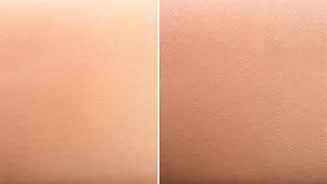
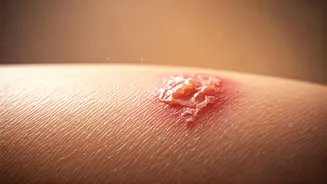
How do you know if you've pushed your exfoliation routine too far? Your skin will send clear signals. The most common signs include redness, irritation, and a persistent feeling of tightness. You might also notice that your regular skincare products suddenly cause a stinging or burning sensation upon application. Other red flags are dryness, flakiness, or peeling skin. Ironically, over-exfoliation can even lead to more breakouts, as a compromised barrier can trigger excess oil production to compensate for the dryness. Another tricky symptom is a shiny, waxy, or overly smooth appearance that might be mistaken for a healthy glow but is actually a sign of a stripped, dry barrier.
Understanding Your Exfoliation Options
There are two main ways to exfoliate. Mechanical or physical exfoliation involves physically removing dead skin cells using a tool like a brush or a scrub with grainy particles. Chemical exfoliation uses acids, such as Alpha-Hydroxy Acids (AHAs) like glycolic acid, or Beta-Hydroxy Acids (BHAs) like salicylic acid, to dissolve the bonds holding dead skin cells together. Both methods are effective, but their suitability depends on your skin type. Those with sensitive or acne-prone skin may find gentle chemical exfoliants less irritating than abrasive scrubs. People with oilier, thicker skin might tolerate stronger chemical or physical methods. However, any type can be overused, leading to damage.
How to Heal a Damaged Barrier
If you suspect you've gone too far, the first and most important step is to stop exfoliating immediately. Give your skin a complete break from all scrubs, acids, and retinoids to allow it time to recover. Simplify your routine down to the essentials: a gentle, pH-balanced cleanser, a nourishing moisturiser, and daily sunscreen. Look for products with barrier-repairing ingredients like ceramides, hyaluronic acid, niacinamide, and glycerin. Ceramides are especially crucial, as they make up about 50% of the skin barrier's lipid composition. Applying moisturiser to damp skin can help lock in hydration, and sealing it with a thin layer of petrolatum at night can prevent water loss while you sleep. Be patient; recovery can take anywhere from a few days to several weeks.
The Right Way to Exfoliate
Once your skin has healed, you can reintroduce exfoliation carefully. The golden rule is to start slowly. Most experts suggest exfoliating just one to two times per week. How often you should exfoliate depends on your skin type and the product's strength. Those with dry or sensitive skin should stick to once or twice a week, while those with oily skin might tolerate up to three times per week. Always be gentle, applying products in small, circular motions without harsh scrubbing. It is often recommended to exfoliate at night, as it can make skin more sensitive to the sun. Most importantly, listen to your skin. If you notice signs of irritation, reduce the frequency.