





Why Eat a Seasonal Khichdi?
Incorporating seasonal vegetables into your khichdi is more than just a recipe tweak; it’s a principle rooted in ancient wisdom like Ayurveda. Eating seasonally means you get produce at its peak—fresher, more flavourful, and packed with the nutrients
your body needs to adapt to the environment. In winter, the body craves warmth, which root vegetables provide. In summer, it needs cooling, water-rich foods. By aligning your diet with the seasons, you make your khichdi not only more delicious but also more nourishing and easier to digest, turning a simple meal into a restorative experience.
Winter: Hearty and Warming Additions
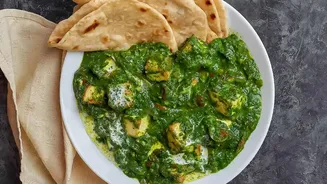
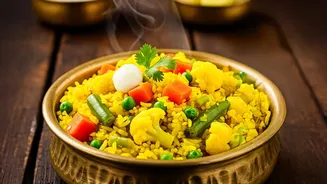
When the air turns crisp and cool, your khichdi should offer warmth and substance. Winter brings a bounty of hearty root vegetables that are perfect for this. Think of sweet carrots, earthy potatoes, vibrant green peas, and cauliflower florets. These vegetables are dense and grounding, ideal for balancing the cold, dry qualities of the season. For the best flavour, sauté vegetables like carrots, peas, and potatoes in ghee with spices before adding the rice and dal. You can also include iron-rich spinach, which wilts beautifully into the creamy texture of the khichdi. These additions make for a robust, satisfying meal that’s perfect for a cosy winter night.
Summer: Light and Cooling Vegetables
As temperatures rise, the ideal khichdi is light, hydrating, and easy on the digestive system. Summer vegetables with high water content are your best friends here. Lauki (bottle gourd) is a fantastic choice, as it has cooling properties and adds a light, almost watery texture to the dish. Similarly, vegetables like zucchini, pumpkin, and French beans work wonderfully. These vegetables don't make the meal heavy but instead provide essential nutrients and fibre that aid detoxification and help prevent overheating. For an extra cooling effect, you can even serve your vegetable khichdi with a side of curd. The goal is a meal that nourishes without weighing you down on a hot day.
Monsoon: Comforting and Immune-Boosting Choices
The rainy season calls for food that is both comforting and helps bolster your immunity, as digestion can become a bit sluggish. A warm bowl of vegetable khichdi is the perfect answer. During this time, vegetables like tomatoes, beans, and cauliflower are excellent choices. You can also add corn for a touch of sweetness and leafy greens for extra vitamins. A masala khichdi, with warming spices like turmeric, cumin, and ginger, is particularly well-suited for the monsoon. These spices not only add flavour but also have antioxidant and anti-inflammatory properties that support your health during the season.
Tips for Perfect Vegetable Khichdi
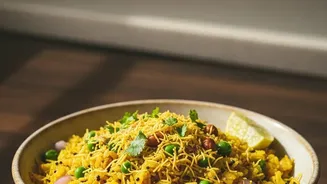
Regardless of the season, a few key techniques can perfect your vegetable khichdi. First, always try to sauté the chopped vegetables in ghee with your spices for a minute or two before adding the rice and lentils. This step deepens their flavour. The ratio of water is also crucial; use more water for a softer, porridge-like consistency and less for a dish where the grains are more separate. Don’t be afraid to mix and match vegetables based on what you have. Classics like potatoes, carrots, peas, and beans are always a great start. Finally, a finishing 'tadka' (tempering) of ghee, cumin seeds, and perhaps some garlic or dried red chilli poured over the top just before serving can elevate the entire dish.