




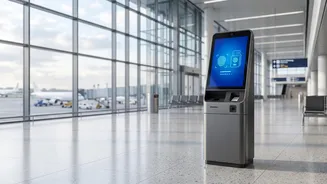
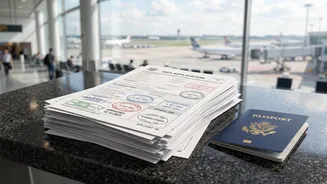
The days of tedious paperwork, long queues, and anxious waits at embassies may be numbered. A landmark 2026 survey by the International Air Transport Association (IATA) reveals a definitive global trend: passengers are ready for a digital-first future.
A Clear Mandate for Digital
The core finding from IATA's 2026 Global Passenger Survey is unambiguous: 60% of travellers now prefer applying for visas online rather than in person at a consulate or embassy. This figure highlights a significant shift in passenger expectations, driven by a desire for convenience and speed. The preference for digital isn't just about the application itself. The survey also found that 86% of passengers are willing to share their immigration information digitally before departure to speed up airport processes, a notable increase from 83% in 2025. This growing comfort with digital tools signals that travellers view online processes not just as a preference, but as a logical evolution of modern travel.
Why Convenience Is King
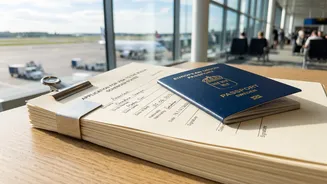
The move away from traditional, paper-based visa applications is rooted in the immense practical benefits offered by digital systems. Online portals eliminate the need for physical travel to an embassy, reduce the reliance on paper documentation, and often provide much faster processing times. For Indian travellers, this has been a game-changer. Platforms offering e-visas have seen a surge in adoption, as they make international travel more accessible and spontaneous. According to a 2025 report, e-visas already accounted for 82% of all visa applications in India, with countries that have adopted digital systems seeing higher visitor numbers from the country. The ability to apply from home and receive a swift, email-based approval removes major friction points, saving both time and money.
The Frustration with Red Tape
The push for digitalization is also a reaction against the increasing complexity of traditional immigration procedures. The same IATA survey found that complicated entry requirements have discouraged 43% of travellers from visiting a specific destination, a sharp rise from 33% the previous year. For over half of those deterred, the process was simply too complex. This friction is a significant barrier to tourism and business travel. Passengers are sending a clear message: in an era of seamless online booking and digital check-ins, cumbersome visa processes are an outdated and unwelcome hurdle. This frustration fuels the demand for streamlined, user-friendly digital alternatives that align with modern consumer expectations.
The Challenge Ahead: Standardization
Despite overwhelming passenger demand, the transition to a fully digital visa world faces a major obstacle: a lack of standardization. While over 100 countries now issue evisas, there is little consistency in how they are verified by airlines. This fragmentation creates a critical bottleneck. Airlines are responsible for ensuring passengers have the correct documentation before they board, and without a standardized way to check the validity of an evisa, they face potential fines and operational challenges. IATA is urging governments to adopt common standards, such as Interactive Advance Passenger Information (iAPI) and the ICAO Digital Travel Authorization (DTA), which would create a consistent and secure verification process.
Data, Trust, and the 40 Percent
While the majority embraces digital, a significant portion of travellers remain hesitant. The IATA survey shows 25% still prefer applying in person. Trust remains a critical issue. Data breaches are a concern for 59% of respondents, while others worry about how their personal information is shared and used. For digital visas and passports to gain universal acceptance, governments and the travel industry must address these legitimate privacy concerns with transparency and robust security measures. Building passenger confidence is just as important as building the technology itself. The future of travel depends on creating systems that are not only efficient but also demonstrably secure.