






The AI and Data Explosion
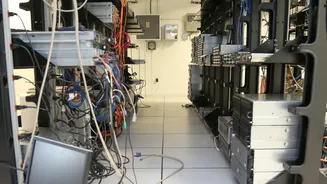
The digital world runs on data, and the engines processing that data are power-hungry. The recent boom in artificial intelligence, from generative AI creating text and images to complex models driving scientific research, has dramatically increased the energy
needs of data centres. These facilities, which house the servers for cloud computing, streaming services, and now AI, were already significant energy consumers. But AI workloads are on another level. An AI query can consume nearly ten times the electricity of a standard Google search. This surge in computational demand means that global electricity consumption by data centres, which was around 460 terawatt-hours (TWh) in 2024, is on track to more than double to over 1,000 TWh by 2030, according to the International Energy Agency (IEA). This increase alone is equivalent to the entire current electricity consumption of Japan.
A Staggering Energy Appetite
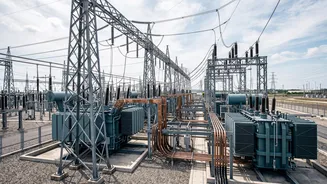
To put this growth into perspective, data centres are expected to account for a rapidly growing share of total electricity demand in major economies. In the US, their share could rise from around 4% today to nearly 8% by 2030. In Ireland, a major European hub for data centres, that figure is projected to hit an astonishing 30% by 2030. The cause is the increasing power density of the hardware itself. The power demand of AI servers has been increasing exponentially. A single advanced server rack, about the size of a refrigerator, could soon require as much power as dozens of households. This relentless growth is forcing utility companies to rethink their forecasts and infrastructure plans, as a single new hyperscale data centre can have the power demand of a small city, creating immense strain on local grids.
The Green Energy Race
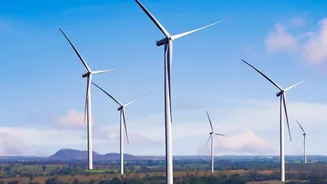
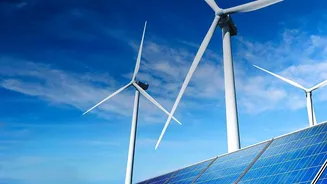
In an ideal world, this new demand would be met entirely by clean energy. Tech giants are among the world's largest corporate buyers of renewable energy, and investments in wind and solar have been significant. According to the IEA, renewables are poised to meet nearly half of the growth in data centre electricity demand between 2024 and 2030. However, this expansion is struggling to keep pace. The sheer speed and scale of the data centre boom means that in the near term, a substantial portion of the new electricity demand is being met by fossil fuels. In regions like the US and China, natural gas and even coal plants are being kept online or built anew to guarantee the stable, 24/7 power that data centres require, potentially derailing planned transitions to renewable energy. This creates a paradox: the industry driving our digital future is also increasing our reliance on the energy sources of the past.
An All-of-the-Above Solution
Meeting this challenge requires a multi-pronged strategy that goes beyond just building more solar panels and wind turbines. For one, energy efficiency remains critical. Innovations in cooling technologies, which can account for up to 40% of a data centre's energy use, are crucial for mitigating demand growth. Tech companies are also exploring a wider array of power sources. There is growing interest in using nuclear power, especially small modular reactors (SMRs), to provide reliable, carbon-free baseload power directly to data centre campuses. In India, while direct private nuclear power for data centres is not yet viable, the government's target of adding significant nuclear capacity by the 2030s is seen as a long-term solution to power the nation's burgeoning data industry. Other solutions include hydrogen fuel cells for backup power and integrating large-scale battery storage to balance the grid.