

The Core Strategy: Method Over Meals
The secret to a dynamic kitchen isn't an endless supply of recipes, but a shift in mindset. Instead of planning strict, separate meals, focus on versatile base ingredients and think about how many ways you can prepare them. A bag of potatoes can be roasted,
mashed, fried, or boiled for a salad. A bunch of carrots can be shredded raw, glazed in the oven, or pureed into a soup. This approach, where one preparation session serves multiple, distinct dishes, is the foundation of efficient, waste-free cooking. It's not about eating leftovers; it's about giving yourself flexible components to build new meals throughout the week.
Mastering the Art of Transformation
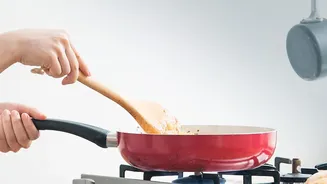
The cooking method is what truly changes an ingredient. Roasting vegetables at a high heat brings out their natural sweetness through caramelization, creating a completely different flavor and texture than boiling or steaming. Sautéing in a hot pan with a little oil cooks vegetables quickly, keeping them crisp, while braising in liquid makes them tender. Understanding these basic techniques unlocks endless variety. A head of broccoli, for example, can be steamed for a tender side dish, roasted until the edges are crispy and delicious, or chopped and stir-fried with garlic and ginger for an entirely new experience.
Case Study: The Humble Chicken
Let's apply this to a common staple: a whole chicken. On day one, roast the entire bird for a classic dinner. The next day, shred the leftover meat for tacos, a chicken salad sandwich, or to top a leafy green salad. Finally, use the carcass and any leftover vegetable scraps—like onion peels and carrot ends—to make a rich, flavorful stock. This stock can then become the base for a hearty soup or used to cook grains like rice or quinoa, infusing them with flavor. In one week, a single protein has been the star of three completely different meals, with virtually nothing wasted.
The Power of Flavor Profiles
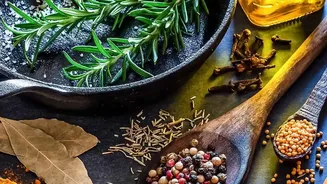
Even with the same base ingredients, you can travel the world with flavor. The key is to have a well-stocked pantry of spices, sauces, and condiments. That batch of cooked chicken and roasted vegetables can be steered in different directions with a simple change in seasoning. One night, toss them with cumin, chili powder, and lime for a Mexican-inspired bowl. The next, add soy sauce, ginger, and sesame oil for an Asian stir-fry. Another night, Italian herbs, a splash of tomato sauce, and some Parmesan cheese can transform the same components into a comforting pasta dish.
Smart Storage and Prep
A little prep work goes a long way. When you bring home groceries, take an hour to wash and chop vegetables or cook a large batch of a staple grain. Storing components ready-to-go makes weekday cooking significantly faster. Your freezer is also a powerful ally against food waste. Freeze leftover herbs in olive oil, store vegetable scraps for future broth, and keep portions of cooked proteins or grains for quick meals later on. Adopting a “First In, First Out” (FIFO) system—using older ingredients before newer ones—also ensures that food is consumed before it has a chance to spoil.