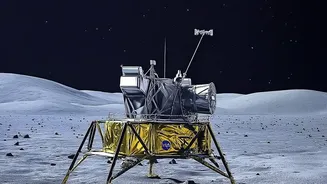





The Surface is a Hostile Place
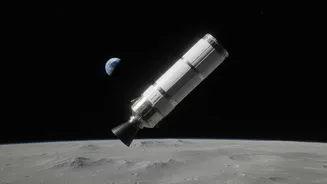
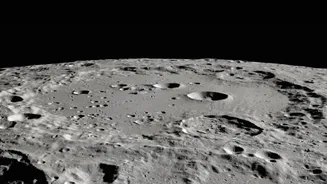
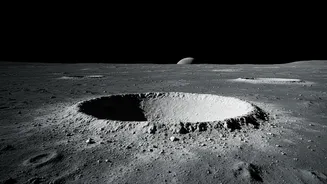
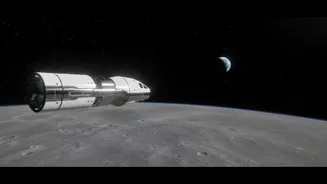
The lunar surface is an incredibly harsh environment. With no significant atmosphere, any structure built there would be exposed to a relentless barrage of cosmic and solar radiation, micrometeorite impacts, and extreme temperature swings that can vary
by hundreds of degrees between lunar day and night. These hazards pose significant risks to both astronauts and equipment. Building materials degrade, electronics are damaged, and the long-term health effects of radiation are severe. While concepts for surface habitats often include heavy radiation shielding, constructing and maintaining such structures in a vacuum presents enormous engineering hurdles. Simply put, living on the surface is a dangerous and technically complex proposition.
An Answer from Below: Lava Tubes
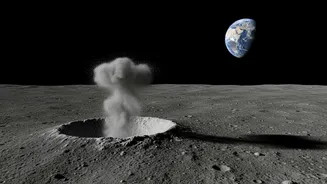
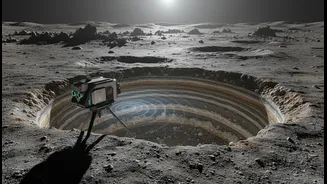
Scientists and engineers are increasingly looking downward for a solution. The Moon, like Earth, has a volcanic past. This history has left behind a network of massive, hollow underground tunnels known as lava tubes. Formed when the outer surface of a lava flow cooled and hardened while molten rock continued to flow underneath, these subterranean caverns could be gigantic, potentially hundreds of meters wide and many kilometers long. The key advantage of these tubes is the natural protection they offer. A thick ceiling of basalt rock, potentially dozens of meters thick, provides a powerful shield against radiation and meteorite impacts, hazards that are a primary concern on the surface. Furthermore, the temperatures within these caves are believed to be relatively stable, hovering around a frigid but manageable -20°C, a stark contrast to the violent temperature fluctuations on the surface.
Seeing the Invisible with Radar
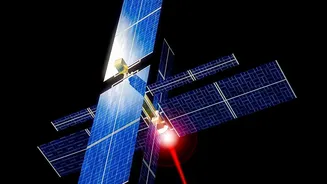
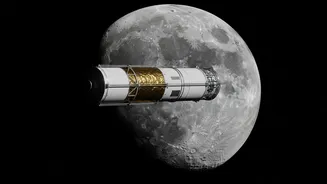
The great challenge, of course, is finding and verifying these subterranean shelters. This is where radar technology becomes indispensable. Ground-penetrating radar (GPR) is a geophysical method that sends radio waves into the ground and analyzes the reflected signals to create an image of the subsurface. Different materials and structures reflect the waves differently, allowing scientists to map out geological layers, identify voids like caves or tunnels, and even detect resources like water ice. Missions from several nations, including China's Chang'e rovers and orbiters like NASA's Lunar Reconnaissance Orbiter, have already used radar to probe the Moon's subsurface. These efforts have provided tantalizing evidence of layered geology and potential voids, but a more comprehensive, high-resolution survey is needed to definitively identify and characterize lava tubes suitable for a base.
From Data to Blueprint
The quest for radar evidence is not just an academic exercise; it's a critical step in the business of lunar development. Before investing billions in a specific location for NASA's Artemis Base Camp or other international efforts, space agencies need a reliable map of what lies beneath the dust. Future missions will likely involve a combination of orbital radar for wide-area surveys and rover-mounted GPR for high-resolution mapping of promising sites. This data will inform everything from site selection to the architectural design of a potential subterranean habitat. It's the ultimate geological survey, providing the essential blueprints needed to move from ambitious concepts to an engineered, habitable reality. The process will be iterative, with robotic missions paving the way for eventual human settlement.