







Beyond the Trinket
For decades, the classic souvenir was a mass-produced object: a tiny replica of a landmark, a printed t-shirt, or a decorative plate. While these items can be fun, a growing number of travellers are seeking something more authentic and personal. This
has given rise to a trend sometimes called 'grocery tourism' or 'shelf discovery'. Instead of a trinket that sits on a shelf, the new souvenir is an experience that can be relived and shared. A survey found that 58% of Indian travellers choose edible snacks from local markets as souvenirs, showing a clear shift towards more experiential mementos. This trend is about capturing the essence of a destination, not just a picture of it. It's about bringing home a story, a flavour, and a piece of the local culture that you can integrate into your daily life.
A Kitchen Full of Memories
Our sense of smell and taste are powerfully linked to memory, more so than any other sense. The aroma of a specific spice or the flavour of a unique ingredient can transport you back to a bustling market or a quiet cafe thousands of miles away. Cooking a dish with saffron from Kashmir can evoke the serene landscapes of the valley, while a pinch of smoked paprika can bring back the vibrant energy of a Spanish city. It transforms a meal into a storytelling session. Every time you use that ingredient, you're not just cooking; you're accessing a memory. This makes food souvenirs deeply personal and emotionally resonant in a way a generic keepsake can never be. The experience becomes a part of your kitchen and, by extension, a part of your home.
Building a Global Pantry, One Trip at a Time
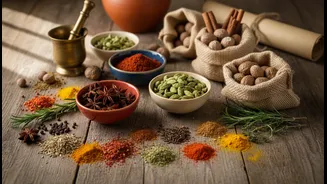
The beauty of this trend is its versatility, whether you are travelling domestically or internationally. A trip to Goa is an opportunity to bring back fiery choriz chilli or tangy kokum. A visit to Agra isn't complete without its famous Petha, and a journey to Kashmir is a chance to source world-class saffron. Internationally, travellers are seeking out everything from Japanese matcha and Indonesian sambal to Za'atar from the Middle East. This practice of 'culinary collecting' turns your pantry into a map of your adventures. It encourages you to be more curious and engaged when you travel, transforming a simple visit to a local supermarket into a treasure hunt. You start to see markets not just as places to buy food, but as cultural institutions rich with discovery.
The Story Is the Real Souvenir
Ultimately, the ingredient itself is only part of the equation. The real souvenir is the story attached to it. It’s the memory of haggling with a friendly vendor in a crowded market, the shared cooking class where you learned a family recipe, or the conversation with a local who recommended a specific spice blend. These interactions are what define authentic travel. Bringing home an ingredient is a way of honouring that connection. It’s a promise to remember not just the place, but the people. When you share the dish you make, you're also sharing that story, turning a simple meal into a rich cultural exchange. This deepens the travel experience, making it more meaningful and lasting long after you’ve returned home.
A Practical Guide to Culinary Collecting
Thinking of starting your own collection? It's easier than you think. Dried spices and commercially packaged goods are generally easy to transport and are often permitted in luggage, but it's always wise to check the specific customs regulations for your destination and home country. Pack items in airtight containers or sealed bags to prevent spills and preserve freshness. Don't be afraid to ask locals for advice. They can often point you to the best-quality products and might even share a recipe or two. And when you get home, label your finds with the location and date. This will not only help with organization but will also turn your spice rack into a beautifully curated journal of your travels.