


The Art and Science of Tadka
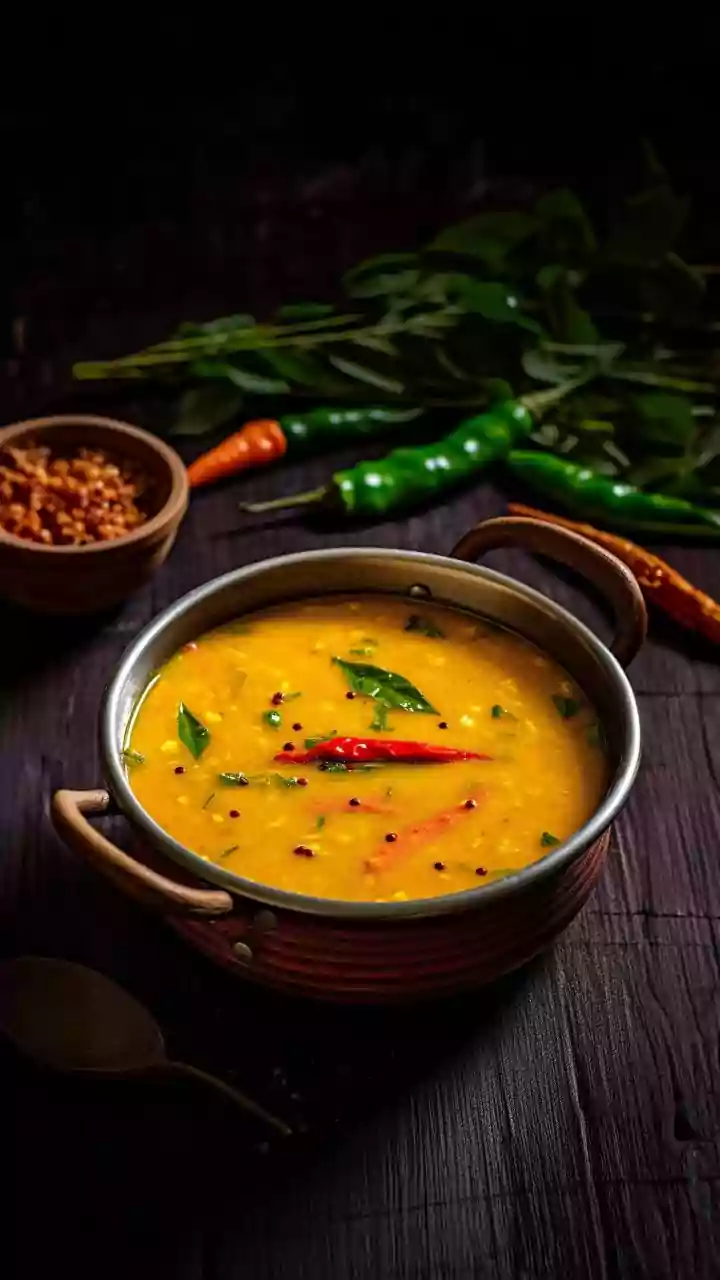
Known as tadka, chaunk, or vaghar across India, tempering is a foundational technique in Indian cuisine. It involves briefly frying whole or ground spices in hot fat, like ghee or oil, to create a flavour-infused base. This process can be done at the
beginning of a recipe to build layers of taste or poured over a finished dish like dal or khichdi as a final aromatic garnish. For centuries, this has been the secret to making dishes profoundly flavourful. But what ancient cooks knew through intuition, modern science can now explain. This isn't just about taste; it is a controlled chemical event designed to extract and transform the very essence of the spices.
Why Fat Is the Magic Bullet
Many of the most important aromatic compounds in spices—like the cuminaldehyde in cumin or the piperine in black pepper—are fat-soluble, not water-soluble. This means their flavour and beneficial properties remain locked within the spice's tough cellular walls if simply added to a water-based curry or soup. Hot fat acts as a solvent. When spices are introduced to hot oil or ghee, the fat breaks down these cell walls and dissolves the compounds, effectively pulling out the essential oils. The infused fat then acts as a perfect carrier, distributing the complex aromas and tastes evenly throughout the entire dish, ensuring every single bite is balanced and fragrant.
A Symphony of Chemical Reactions
The sizzle you hear is the sound of chemistry at work. The high heat, often around 180°C, does more than just release oils; it triggers a cascade of reactions. Hard seeds like mustard and cumin pop, audibly signalling that their internal structure has ruptured and their volatile compounds are being released. The heat also initiates browning processes, similar to the Maillard reaction that gives toasted bread its flavour, which deepens and mellows the spices' raw notes. Asafoetida (hing), for example, transforms its pungent raw smell into a rich, savoury aroma reminiscent of onions and garlic. Timing is crucial, as each spice reacts differently. Hardier seeds go in first, while delicate ones like dried chillies or fresh curry leaves are added last to prevent them from turning bitter.
Unlocking Bioactive Benefits
The term 'bioactive' refers to compounds that can have an effect on living tissue. The essential oils released during tempering are rich in these. Cumin, for instance, releases cuminaldehyde, which is known for its digestive properties. Turmeric's famous compound, curcumin, has famously poor bioavailability on its own. However, heating it in fat—especially alongside black pepper, which contains piperine—dramatically improves its absorption by the body. Many spices used in tadka, such as fenugreek, cumin, and mustard seeds, have long been used in traditional medicine for their anti-inflammatory and digestive-aiding properties. The tempering process makes these compounds more accessible to our bodies.
A Treat for All Senses
The power of tadka begins even before you take a bite. As the spices bloom, they release volatile aromatic molecules into the air. This powerful fragrance stimulates the olfactory system, which plays a major role in our perception of flavour. That's why the smell of a freshly prepared tadka can instantly make a kitchen feel warm and inviting, priming your appetite and enhancing the overall satisfaction of the meal. It's a testament to how traditional cooking methods intuitively harness scientific principles to create a holistic sensory experience.