


The Setting: Lush Valley vs. Majestic Vista
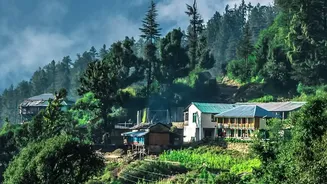
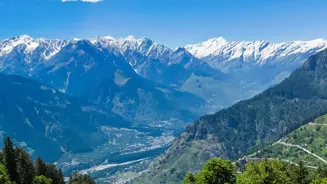
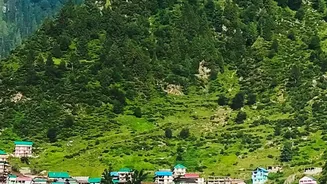
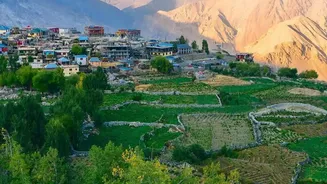
The primary difference between Sangla and Kalpa lies in their geographical setting. Sangla is a town nestled in the heart of the Baspa Valley, one of the most beautiful valleys in Kinnaur. It's characterized by lush green forests, sprawling apple orchards,
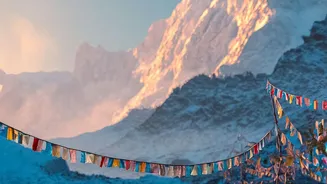
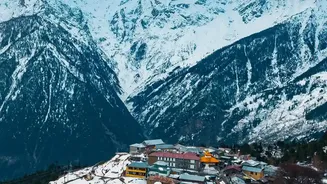
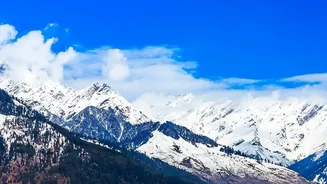
and the gushing Baspa River that flows through it. The feel here is immersive; you are in the valley, surrounded by towering slopes on all sides. Kalpa, on the other hand, is perched high on a mountainside at an altitude of about 9,711 feet. Its defining feature is the jaw-dropping, panoramic view of the Kinner Kailash range. From almost anywhere in Kalpa, you get an uninterrupted vista of these sacred, snow-covered peaks, which seem close enough to touch.
The Vibe: Riverside Buzz vs. Spiritual Calm
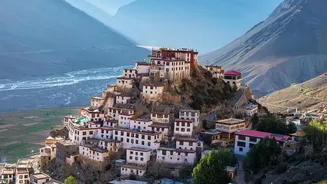
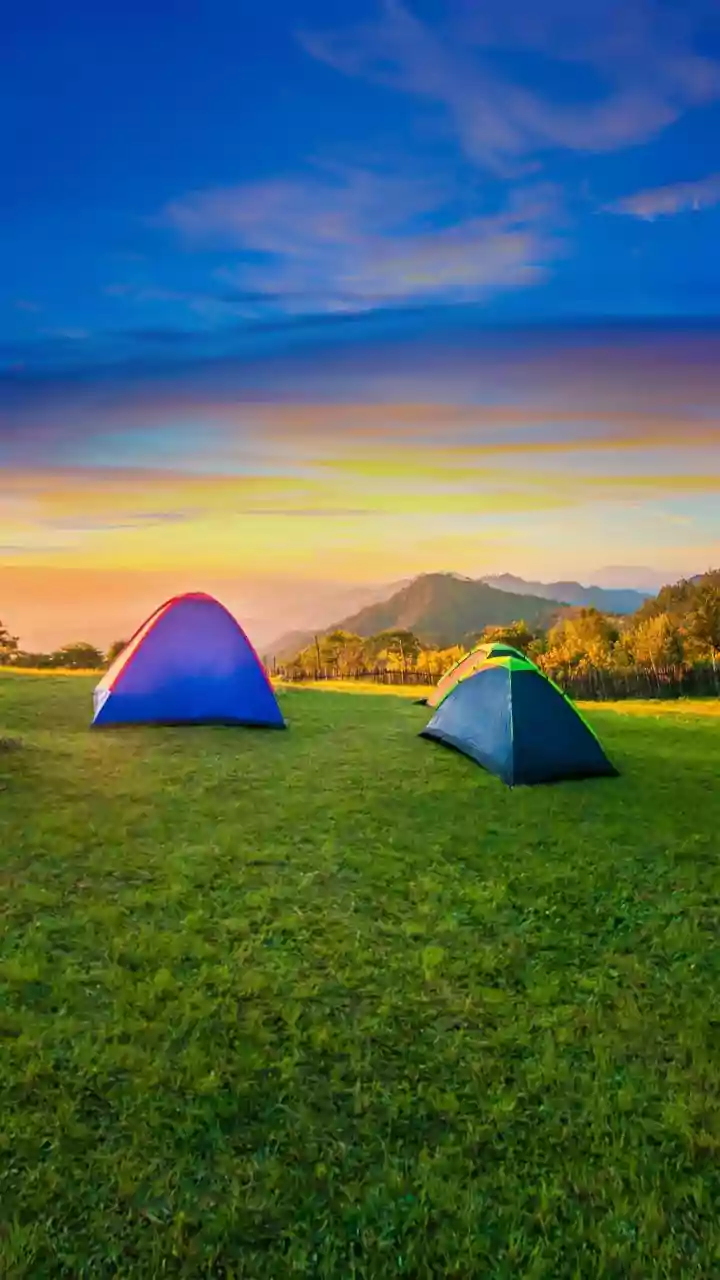
Your definition of 'quiet' will determine which vibe suits you better. Sangla, while peaceful compared to a city, is a relatively bustling town for the region. It serves as a base for exploring the rest of the valley, including nearby villages like Batseri and Chitkul. The atmosphere is lively, with a central market, riverside camps, and a constant flow of travelers. Kalpa offers a more serene and spiritual quiet. It's a place for contemplation, famous for the harmony between its Hindu temples and Buddhist monasteries. The pace is slower, encouraging you to simply sit and watch the changing colours of the mountains, especially during the famed sunrises. It feels less like a base for constant activity and more like a destination for stillness.
Things To Do: Active Exploration vs. Quiet Contemplation
Activities in both locations reflect their unique settings. In Sangla, the focus is on exploring the valley. You can take leisurely walks along the Baspa River, go trout fishing, or visit the historic Kamru Fort. It's also the gateway to Chitkul, the last inhabited village near the Indo-Tibetan border, making for an essential day trip. Other nearby spots include the Batseri village, known for its local crafts. In Kalpa, the main activity is absorbing the magnificent views. The Kinner Kailash View Point is a must-visit for sunrise. You can explore the serene Hu-Bu-Lan-Kar Monastery, visit the Narayan-Nagini temple, and take a walk to the nearby Roghi village for a glimpse into traditional Kinnauri life. The infamous 'Suicide Point', a sheer cliff with a dizzying drop, is another popular spot for its dramatic views.
Accessibility and Accommodation
Both destinations are in the Kinnaur district and are typically reached via road from Shimla. The journey is long but scenic. Sangla is located down in the valley, accessible via a road that branches off the main highway. Kalpa is situated a few kilometres above the district headquarters of Reckong Peo. In terms of stay, both offer a range of options. Sangla has a variety of hotels, guesthouses, and riverside camps catering to different budgets. Kalpa also has numerous hotels and homestays, many of which are prized for their direct mountain views from the rooms. Homestays in both areas provide an excellent opportunity to experience local Kinnauri culture and hospitality.
When to Visit
The best time to visit both Sangla and Kalpa is during two main windows: the summer months from April to June, and the autumn months from September to October. Summer offers pleasant weather with clear skies and lush green landscapes. Autumn provides crisp air, clear post-monsoon views, and the added beauty of apple-plucking season. The monsoon months of July and August are generally avoided due to the high risk of landslides in the region. Winter, from November to March, sees heavy snowfall, which can cut off road access, particularly to Sangla Valley, though Kalpa may remain accessible for a snow-filled escape.