

Why Container Depth is Crucial
A plant's roots are its foundation, responsible for anchoring it and absorbing water and nutrients. The depth of a container directly determines the amount of space these roots have to grow. If a container is too shallow, the roots can become cramped,
a condition known as being root-bound. This stunts the plant's growth, limits its ability to absorb what it needs, and can ultimately lead to its decline. Very shallow containers also dry out faster and can lead to poor aeration and overly wet conditions at the bottom, which can cause root rot. Properly matching the plant's natural root system to the depth of its pot is a fundamental step for healthy container gardening.
Preparing Your Coconut Shell Planter
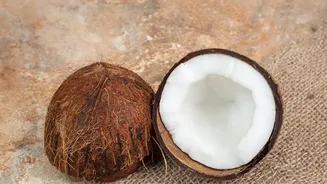
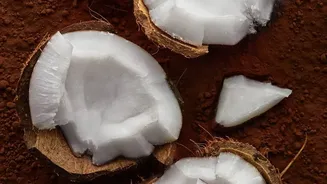
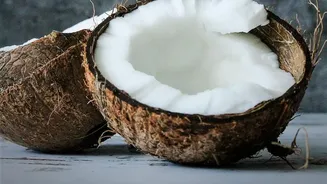
Before planting, a little preparation turns a simple coconut shell into a viable home for a plant. The first, and often trickiest, step is opening the coconut. Draining the water first by poking through the 'eyes' is recommended. You can then carefully saw the coconut in half for two even planters. Once open, thoroughly clean out all the white coconut meat, as any remnants can rot and harm your plant. Next, address drainage. A plant pot must allow excess water to escape. Drill a few small drainage holes in the bottom of the shell. For hanging planters, you'll also need to drill holes near the top rim to thread rope or twine through. Sanding any rough edges can provide a more polished finish.
Matching Plants to Shallow Shells
Most coconut halves will provide a relatively shallow planting environment, which is perfect for certain types of plants. Succulents and cacti are ideal choices because they have shallow root systems and prefer drier conditions, making them well-suited to the limited soil volume. Varieties like sedum or small echeverias fit perfectly. Many common herbs with less demanding root systems, like thyme, can also do well. When choosing plants, a good rule of thumb is to select those with shorter roots from the outset. Air plants (Tillandsia) are another fantastic option, as they don't require any soil at all and can be simply placed inside the shell for a decorative display.
Options for Deeper Coconut Planters
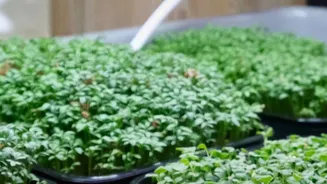
If you manage to source larger coconuts or cut them differently to create a deeper container, your planting options expand. A deeper shell can accommodate plants with more substantial root needs, like small ferns, certain flowering annuals like petunias, or even trailing plants like string of pearls or ivy. A depth of at least 6 inches opens the door to growing leafy greens like lettuce or spinach. These deeper containers hold more soil and moisture, providing a more stable environment for plants that require more consistent watering than succulents. Just remember, the deeper the pot, the more critical good drainage becomes to prevent the lower soil from becoming waterlogged.
Planting and Long-Term Care
When you're ready to plant, fill the shell with a potting mix appropriate for your chosen plant—for example, a gritty, fast-draining mix for succulents or a standard potting soil for flowering plants. Gently loosen the plant's root ball before placing it in the shell, and fill in around it with more soil. Water the plant lightly. The care routine will depend on the plant. Succulents will need plenty of sun and should only be watered when the soil is completely dry. Other plants may require more frequent watering, especially since the small volume of a coconut shell planter can dry out quickly. Check the soil moisture regularly to ensure your plant is getting the right amount of water for its needs.