

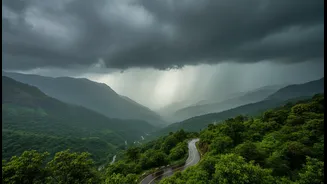
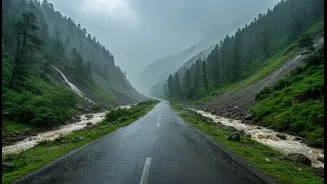


Which Areas Are on High Alert?
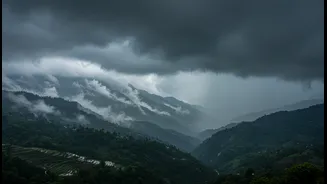
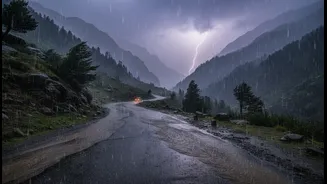
The India Meteorological Department (IMD) has issued warnings for several northern states following days of widespread monsoon showers. Heavy to very heavy rainfall has been recorded in Himachal Pradesh and Uttarakhand, leading to significant disruptions.
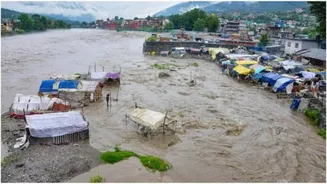
The alert also extends to the plains, with Punjab, Haryana, Chandigarh, Delhi, and Uttar Pradesh expected to receive heavy rainfall. The IMD has specifically forecast widespread rainfall over Himachal Pradesh and Uttarakhand for several days, urging caution. Authorities in multiple districts across these states have issued alerts, with some areas like Shimla, Kullu, and Kinnaur in Himachal experiencing landslides and flooding.
The Primary Risks: Landslides and Flooding
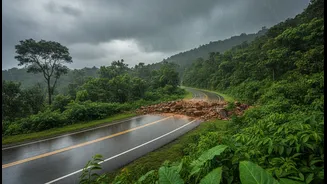
The most significant dangers for travellers in the Himalayan states are landslides and flash floods. Heavy rains have already triggered numerous landslides in Uttarakhand and Himachal Pradesh, blocking major routes. Reports from July 11 confirmed that over 100 roads in Uttarakhand, including national highways, were blocked due to debris. A 100-metre stretch of the Yamunotri National Highway was washed away, leaving pilgrims stranded before being rescued. In Himachal Pradesh, a bridge collapse was reported in Sangla, and a landslide occurred in Shimla. The IMD has warned that heavy rainfall can lead to the inundation of low-lying areas, poor visibility, and traffic disruptions, with a specific flash flood risk noted for parts of Uttarakhand.
Official Advisories and What They Mean
The IMD uses a colour-coded system for its warnings. A 'yellow' alert advises residents to be aware, while an 'orange' alert indicates a need to be prepared for adverse weather. Several districts in Uttar Pradesh, Himachal Pradesh, and Delhi have been placed under orange or even red alerts. Authorities have advised travellers to postpone visits to the hills until the weather stabilises. The National Disaster Response Force (NDRF) has deployed 91 teams across the country to deal with monsoon-related emergencies, with a strong presence in vulnerable states. These teams are prepared for rescue operations related to floods and landslides. Local administrations are on high alert, monitoring river levels and preparing for potential evacuations.
Safety Tips for Monsoon Travel
If travel is unavoidable, planning and preparation are critical. Before setting out, check the latest weather forecasts from the IMD and local road conditions. Be prepared for significant delays and build extra time into your itinerary. When driving in hilly areas, be extra cautious on wet, slippery roads and maintain a safe speed. Never attempt to drive through flooded areas or streams, as the water depth can be deceptive. It's wiser to use public transport or hire an experienced local driver who is familiar with the terrain. Keep a safe distance from rivers and streams, as water levels can rise unexpectedly.
What to Pack in Your Emergency Kit
A well-stocked emergency kit is essential. Pack lightweight, quick-drying clothes instead of heavy fabrics like denim. A sturdy umbrella, waterproof jacket, and shoes with good grip are non-negotiable. Protect your electronics, including phones and cameras, in waterproof bags or cases. Given the possibility of power cuts, a fully charged power bank is a lifesaver. Also, carry a basic first-aid kit with antiseptic, bandages, and any personal medications. It is advisable to avoid street food to prevent waterborne illnesses; stick to bottled water and hygienically prepared meals.
Should You Cancel Your Trip?
The decision to travel rests on your destination and risk tolerance. For trips to high-altitude regions in Himachal Pradesh and Uttarakhand, authorities are strongly advising postponement due to the high risk of landslides and road blockages. Travel to these areas is currently hazardous, with rescue operations already underway for stranded tourists and pilgrims. If your travel plans are flexible, consider choosing a destination less prone to severe monsoon impacts. If you must proceed, ensure you have flexible bookings, stay in constant touch with your hotel for local updates, and inform your family of your itinerary. Prioritizing safety over sightseeing is the most important decision you can make.