
The City That Never Stops Eating
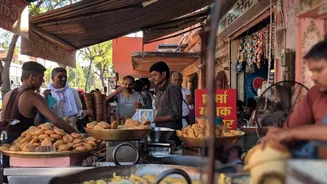
Madurai's moniker, 'Thoonga Nagaram' or 'the city that never sleeps', is as much about its vibrant, round-the-clock food culture as it is about its history. While daytime is for devotion at the magnificent Meenakshi Amman Temple, the nights belong to the gourmands.
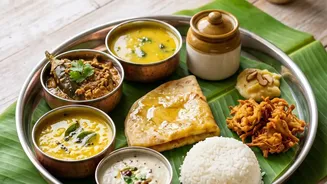
The streets radiating from the temple become a sprawling, open-air diner where centuries of culinary history are served hot on a banana leaf. The food here is deeply intertwined with the city's identity, influenced by Chettinad, Saurashtrian, and even Sri Lankan cuisines. This blend of cultures has created a unique gastronomic landscape where every dish tells a story of migration, trade, and tradition.
More Than Meats the Eye: The Kari Dosa
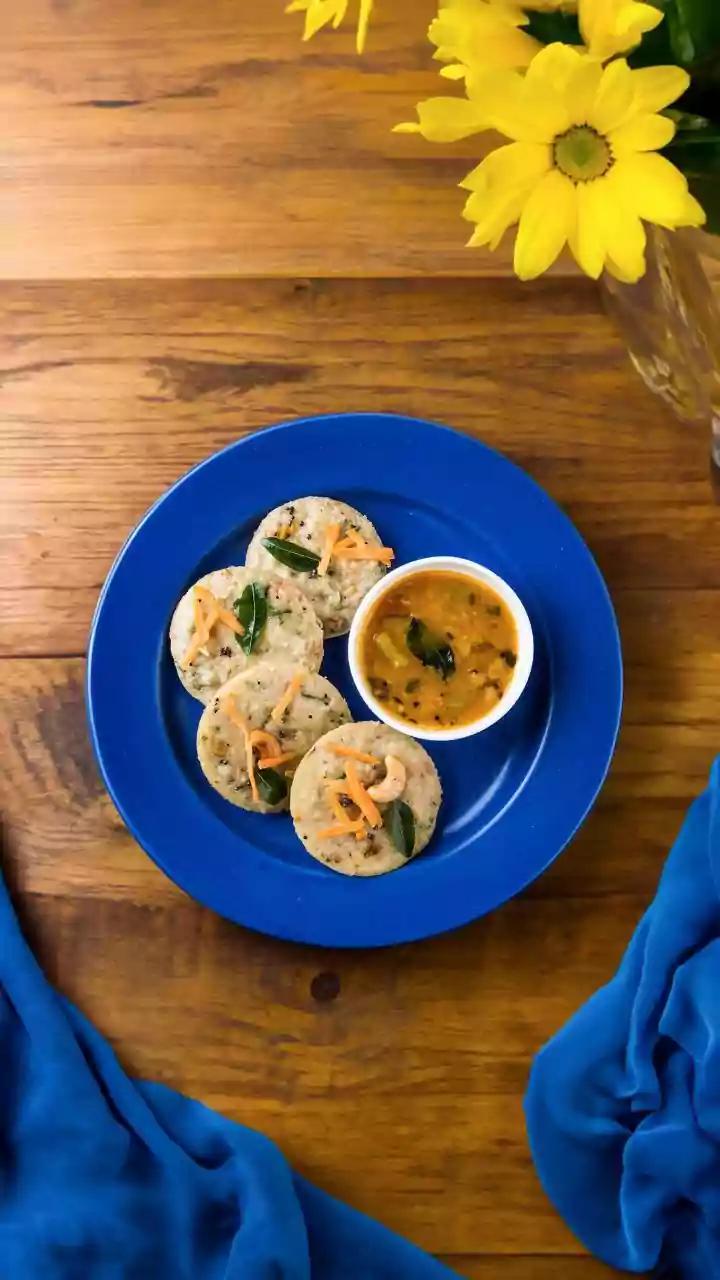
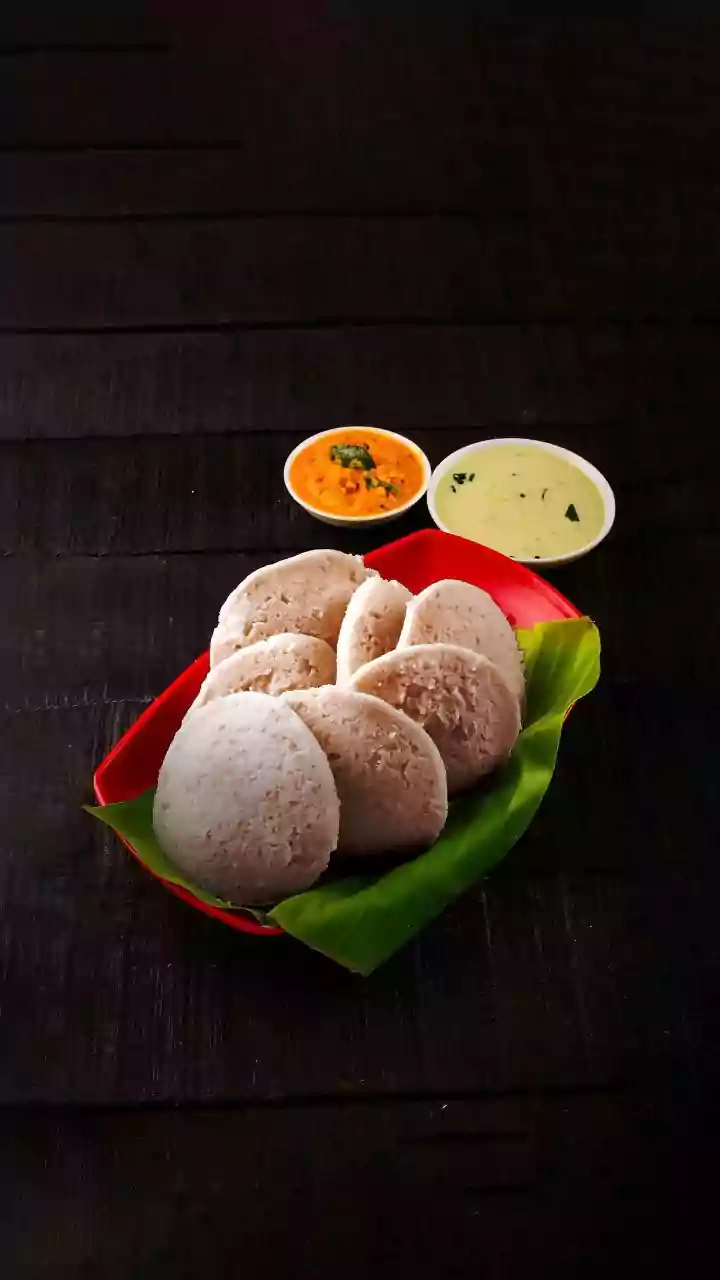
To reduce Madurai's food to just 'tiffin' items like idli and dosa is to miss the heart of its culinary prowess. The quintessential example is the legendary Kari Dosa. Far from a simple pancake, this is a three-layered marvel: a soft dosa base, topped with a fluffy omelette, and crowned with a generous layer of spicy, minced mutton curry (mutton keema). Originating from the Konar community, this dish is a full-bodied meal in itself, delivering a powerful punch of flavour that is both rustic and refined. Cooked on heavy iron tawas, often in decades-old establishments like the famous Konar Mess, the Kari Dosa represents the robust, meat-loving side of Madurai's palate.
The Cool Heart of Madurai: Jigarthanda
No culinary tour of Madurai is complete without surrendering to its most iconic beverage: Jigarthanda. The name translates to 'cool heart' or 'liver cold', a fitting description for a drink designed to soothe the soul in the city's sweltering heat. While it may look like a cousin to the falooda, Jigarthanda is distinctly Madurai. The concoction is a rich, creamy blend of reduced milk, nannari syrup (sarsaparilla root), almond gum (badam pisin) for its unique jelly-like texture, and a scoop of special ice cream, sometimes made from reduced milk itself. It's believed to have been introduced by Mughal rulers, but Madurai has made it entirely its own, a sweet, cooling elixir found at legendary spots like 'Famous Jigarthanda'.
Hidden Gems of the Streets
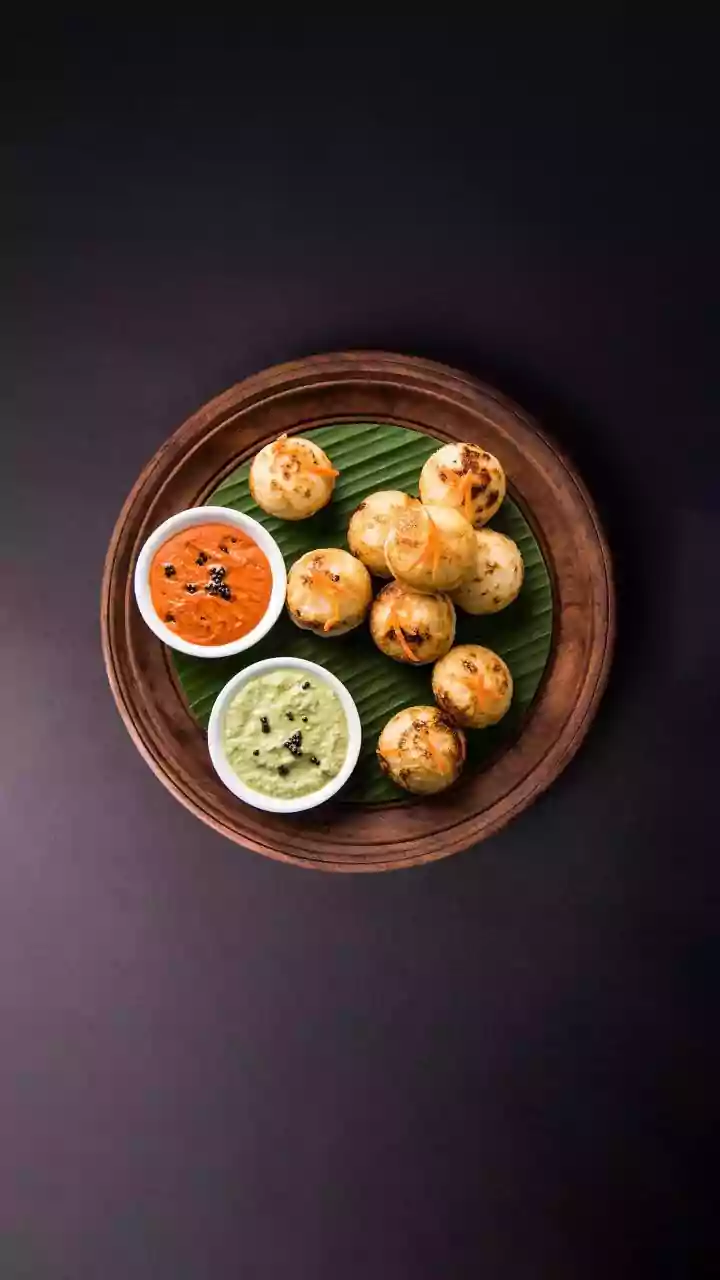
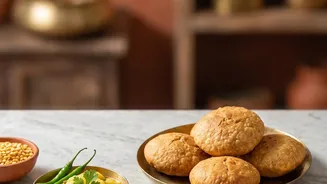
Beyond the headliners, the true magic lies in discovering the lesser-known specialties. There's Paruthi Paal, a healthy and surprisingly delicious drink made from cottonseed milk, jaggery, and dry ginger, often sold from pushcarts and enjoyed for its medicinal properties. You might also find vendors selling Keerai Vadai, a savoury fritter made from local greens, or the unique Kayir Katti Kola Urundai, which are mutton meatballs so delicate they are tied with a banana fibre string to hold their shape while cooking. For those with a sweet tooth, there are Sooji Appams—puffy, deep-fried parcels stuffed with a sweet semolina and coconut porridge. Each of these dishes is a testament to the ingenuity and resourcefulness of local cooks who have created unforgettable tastes from humble ingredients.
An Enduring Culinary Legacy
What makes Madurai's street food scene a true journey is the human element. Many of the most famous stalls and messes are family-run businesses, passed down through generations. The owners are personally involved, their hands moving with a practiced rhythm that speaks of deep-rooted knowledge and a profound respect for their craft. They are the guardians of recipes that date back centuries, ensuring that the taste of Madurai remains authentic. Eating here is more than just a transaction; it's a cultural exchange, an invitation to partake in a tradition that is alive, sizzling, and utterly delicious.