







Dress for the Downpour
The key to comfortable rainy-day cycling is staying dry and warm, but not overheating. Start with a moisture-wicking base layer made from merino wool or a technical synthetic fabric to pull sweat away from your skin. Avoid cotton, which holds moisture and will
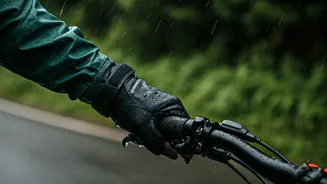
leave you feeling cold. The star of the show is a high-quality waterproof and breathable jacket. Look for one with taped seams and a rating of at least 10,000mm for serious rain protection. A long tail will protect your back from road spray, while a high collar helps keep rain from seeping in. Waterproof trousers or tights are also essential. For your extremities, waterproof gloves and overshoes are non-negotiable. Cold, wet hands and feet can make a ride miserable and impair your ability to brake and shift gears. Finally, a cycling cap under your helmet will keep rain from running into your eyes.
Ready Your Bicycle
Your bike needs a few adjustments to handle wet conditions. First, and most importantly, install a set of full-coverage mudguards. They do more than just keep the muddy stripe off your back; they prevent road grime and water from spraying all over your drivetrain and feet. Next, consider your tires. Lowering the pressure slightly will increase the tire's contact patch with the road, improving grip. Some riders opt for wider or more puncture-resistant tires for the wet season, as rain tends to wash more debris like glass shards onto the road. Before you head out, apply a wet-weather-specific lubricant to your chain. This type of lube is more water-resistant and will protect your drivetrain from the grinding paste of grit and water, preventing premature wear and rust.
Increase Your Visibility
Rain means lower light and reduced visibility for everyone on the road. It's crucial to make yourself as conspicuous as possible. Use bright front and rear lights, even during the daytime. Setting them to a flashing mode can help grab the attention of drivers peering through rain-streaked windshields. Brightly coloured or reflective clothing also makes a huge difference. A fluorescent waterproof jacket, helmet cover, or backpack cover can make you stand out against a grey, gloomy backdrop. Reflective details on your clothing, shoes, and bike will catch headlights in low-light conditions, ensuring you're seen from all angles.
Adjust Your Riding Technique
Wet roads demand a more cautious riding style. Your braking distance can as much as double in the rain, so give yourself plenty of space and brake earlier and more gently than you would in the dry. Avoid sudden or hard braking, especially in corners, as it can cause your wheels to lock up and lose traction. Be wary of slippery surfaces like metal drain covers, painted road markings, and wet leaves, which can be as slick as ice. Reduce your speed, especially on descents and through corners, keeping the bike as upright as possible. Also, try to avoid riding through large puddles, as they can conceal potholes or other hazards.
The Post-Ride Protocol
Your job isn't done when the ride ends. Taking a few minutes for post-ride care will save you money and hassle in the long run. As soon as you get home, give your bike a quick rinse with a hose or a bucket of water to wash off the road grime before it hardens. Pay special attention to the drivetrain and brakes. Then, dry your bike thoroughly with a towel, focusing on the metal parts to prevent rust. Once the chain is dry, apply a fresh coat of lube and wipe off the excess. Don't forget your gear either; rinse off muddy shoes and hang your waterproofs to dry according to their care instructions to maintain their performance.