



The Tradition of Vrat Feasting
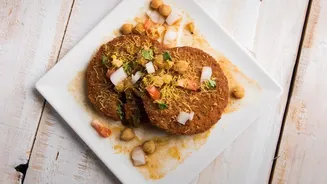
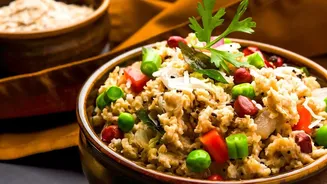
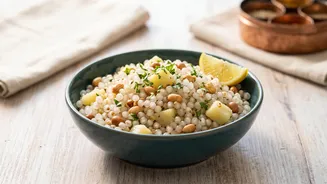
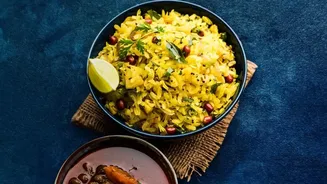
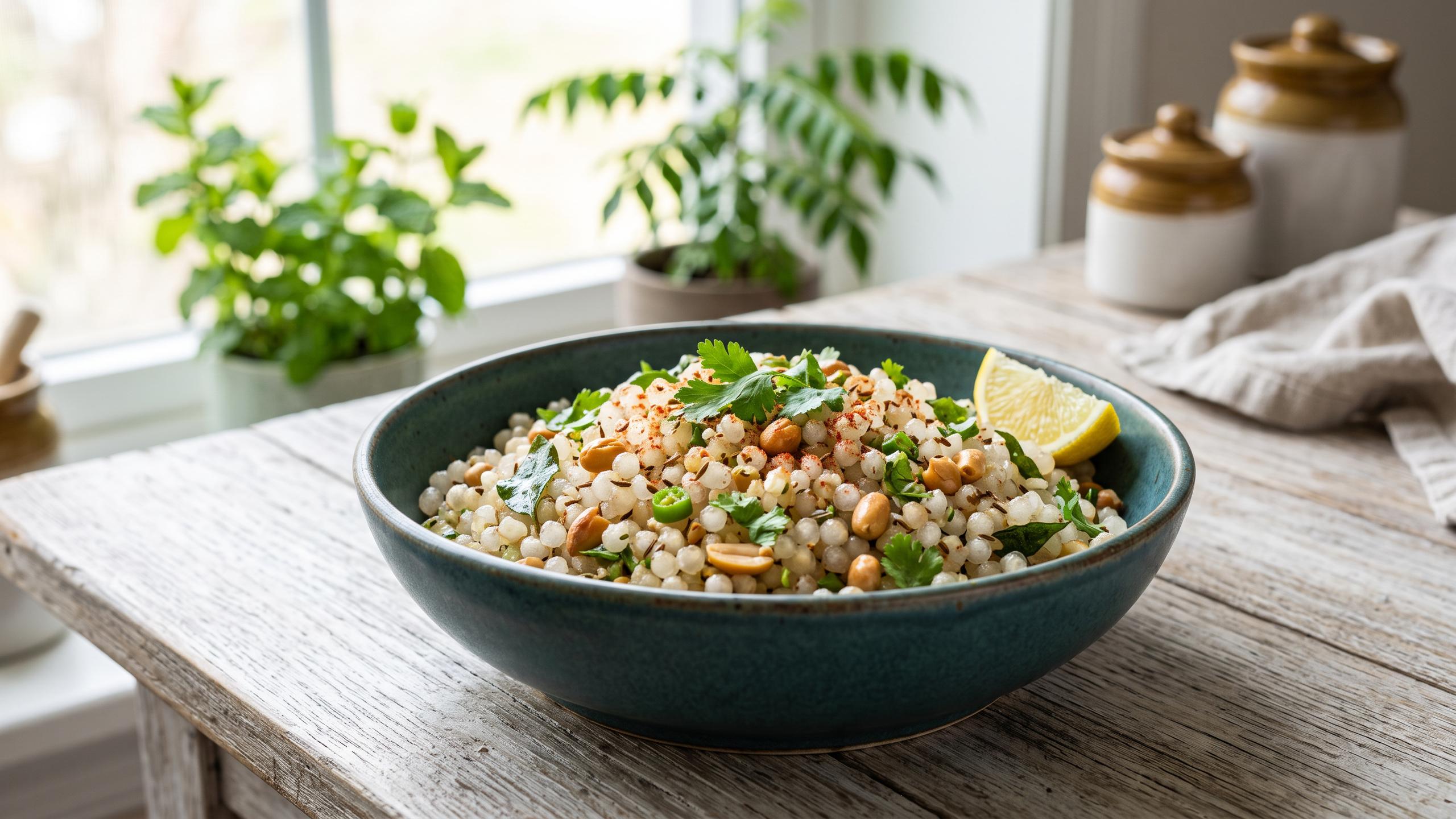
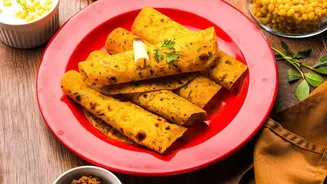
The aroma of freshly fried kuttu puris, sabudana vadas, and potato chips is deeply woven into the fabric of Janmashtami celebrations. These foods, permissible during the vrat (fast), are a cherished part of the festive culinary experience. Families come
together to prepare these delicacies, and they form the centrepiece of the meal when the fast is broken. While these dishes offer comfort and flavour, they are often deep-fried, which can be taxing on the body, especially after a day of fasting when the digestive system is in a state of rest. The very act of devotion through fasting can be undermined if the food we eat leaves us feeling sluggish and uncomfortable.
Why Fried Foods Burden a Fasting Body
Fasting provides the digestive system with a much-needed break. When you break a fast, introducing heavy, oily foods can be a shock to your system. Fats are more difficult and take longer to digest compared to carbohydrates and proteins. Consuming a large meal of fried items forces your digestive system to work overtime, which can lead to common discomforts like bloating, acidity, gas, and a general feeling of heaviness. This can be particularly pronounced in individuals who are already prone to gastric issues. The lethargy that often follows a greasy meal can detract from the spiritual purpose of the fast, which is often aimed at achieving a state of lightness and heightened awareness.
Smarter Cooking Methods for Vrat Favourites
Moderation doesn't mean deprivation. You can still enjoy your favourite vrat snacks by adopting healthier cooking techniques. An air fryer can be an excellent tool for making crispy sabudana vadas, kuttu pakoras, and sweet potato fries with minimal oil. Baking is another fantastic alternative; you can make baked sabudana tikkis or roast vegetable cutlets instead of deep-frying them. Pan-searing or shallow-frying with a small amount of ghee or a healthier oil can also significantly reduce the fat content. For example, a kuttu cheela (pancake) can be a satisfying and lighter substitute for deep-fried puris. These methods allow you to retain the traditional flavours you love while making the dishes much easier on your digestive system.
Healthy and Hydrating Food Swaps
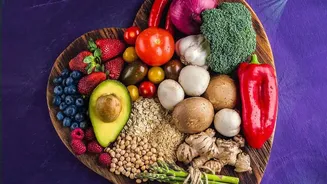
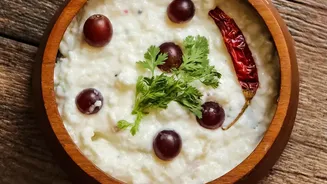
Beyond cooking methods, incorporating a variety of nutrient-dense foods can make your fast more comfortable and energising. Instead of relying solely on fried potatoes, try roasted sweet potatoes (shakarkandi), which are rich in fibre and provide sustained energy. Makhana (fox nuts), when roasted instead of fried, become a light and crunchy snack packed with protein and fibre. Including fresh fruits, homemade curd, and buttermilk (chaas) in your vrat diet can provide essential vitamins, probiotics, and much-needed hydration. A handful of nuts like almonds and walnuts offers healthy fats and protein to keep you full. Staying hydrated with options like coconut water and lemon water is also crucial to avoid headaches and fatigue.
Mindful Eating for a More Fulfilling Fast
The way you eat is just as important as what you eat. Instead of consuming one large, heavy meal, try to eat smaller, more frequent portions throughout your fasting window. This helps maintain stable energy levels and prevents the digestive system from being overloaded. Pay attention to your body’s cues; eat when you are hungry and stop when you are satisfied. When you break your fast, start with something light like a piece of fruit or a glass of buttermilk before moving on to a more substantial meal. This gentle approach prepares your stomach for digestion. The goal of fasting is to feel spiritually and physically rejuvenated, and mindful eating is a powerful tool to achieve that.