





From Ancient Ritual to Viral Trend
If you've spent any time on TikTok or Instagram lately, you’ve likely seen influencers and beauty enthusiasts touting the seemingly miraculous benefits of a cloudy, milky liquid: rice water. This isn't a new, lab-formulated serum but a tradition that
dates back centuries, particularly in Asia. The practice of using the starchy water left over from rinsing or boiling rice has deep roots in Japanese and Chinese history. Now, it's being rediscovered by a new generation looking for affordable, natural, and effective additions to their beauty arsenal. This comeback isn't just about a single ingredient; it reflects a broader shift towards sustainable, DIY beauty and an appreciation for time-honoured global traditions.
A Legacy of Luscious Hair
The most compelling historical evidence for rice water’s efficacy comes from two distinct groups. During Japan's Heian period (794 to 1185 AD), court ladies were renowned for their floor-length hair, known as 'suberakashi'. Their secret was reportedly 'Yu-Su-Ru', the water from rinsing rice, which they used to comb through their hair daily to keep it healthy and strong. Similarly, the Yao women from the village of Huangluo in China, who are featured in the Guinness Book of World Records as having the “world's longest hair,” have traditionally used fermented rice water to wash their hair. They credit this practice for their hair’s incredible length, strength, and delayed greying. This powerful historical context gives the modern trend a weight and authenticity that many fleeting fads lack.
The Science Behind the Starch
So, what's actually in rice water that makes it so special? The liquid is rich in nutrients that are beneficial for hair and skin. It contains amino acids, which are the building blocks of protein, helping to strengthen hair roots and repair damage. It's also packed with vitamins B and E, minerals, and antioxidants. One of its star components is inositol, a carbohydrate that has been shown in some studies to penetrate damaged hair and repair it from the inside out. For skin, the starchy composition is believed to have a soothing effect, helping to calm inflammation and tighten the skin’s surface. While dermatologists agree these components are beneficial, they also note that large-scale clinical studies on the direct application of rice water are limited. Think of it as a nutrient-rich rinse rather than a medical cure.
How to Use Rice Water for Hair
The most popular application for rice water is as a hair rinse. After shampooing and conditioning, you can pour the rice water over your hair, ensuring it saturates your scalp and strands completely. Gently massage it into your scalp and hair for a few minutes, then let it sit for up to 20 minutes before rinsing thoroughly with cool water. Users report that it reduces surface friction, making hair easier to detangle, and improves elasticity. Over time, many claim their hair feels stronger, looks shinier, and has more volume. Because it contains protein, it’s best to start by using it once a week to avoid 'protein overload,' which can make hair feel stiff or brittle.
Your Simple DIY Guide
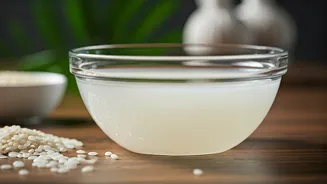
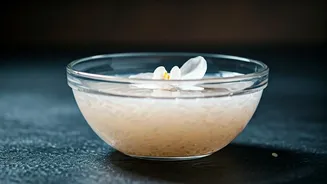
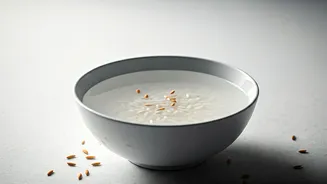
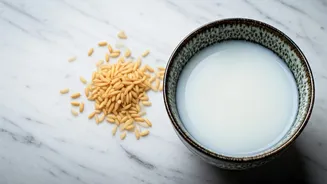
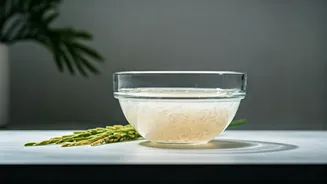
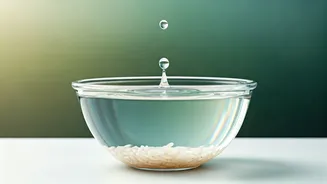
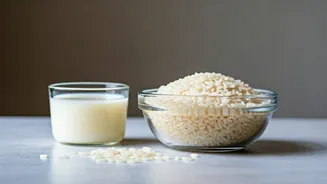
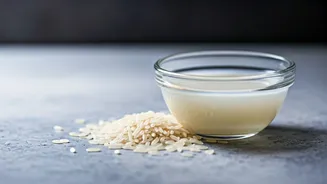
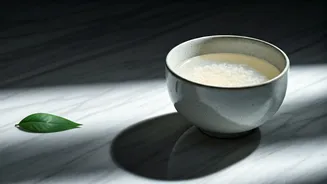
Making your own rice water at home is incredibly simple. There are two main methods: 1. **The Soaking Method:** This is the quickest way. Take half a cup of uncooked rice (any kind will do) and rinse it once to remove any impurities. Then, place the rinsed rice in a bowl with 2-3 cups of water and let it soak for at least 30 minutes. Swirl it around and press the rice slightly to help release the nutrients. Strain the milky water into a clean bottle, and it's ready to use. 2. **The Fermented Method:** This is the traditional technique used by the Yao women and is believed to be more potent. Follow the same soaking method, but instead of using the water immediately, leave it at room temperature for 12 to 24 hours. The fermentation process lowers the pH of the water, bringing it closer to the hair's natural pH, and enhances its nutrient profile. Once it has a slightly sour smell, you can store it in the fridge to stop the fermentation. It will keep for up to a week.