

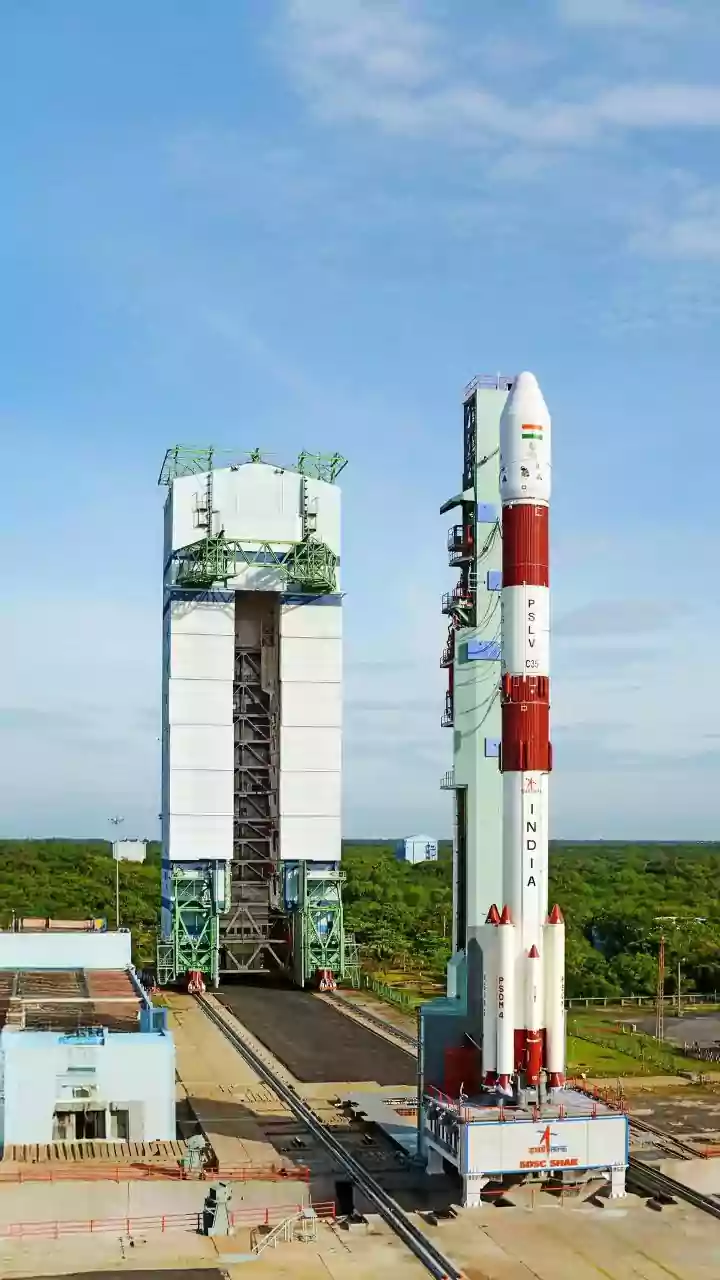





The Final Countdown is On
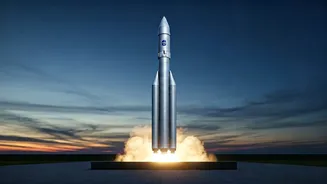
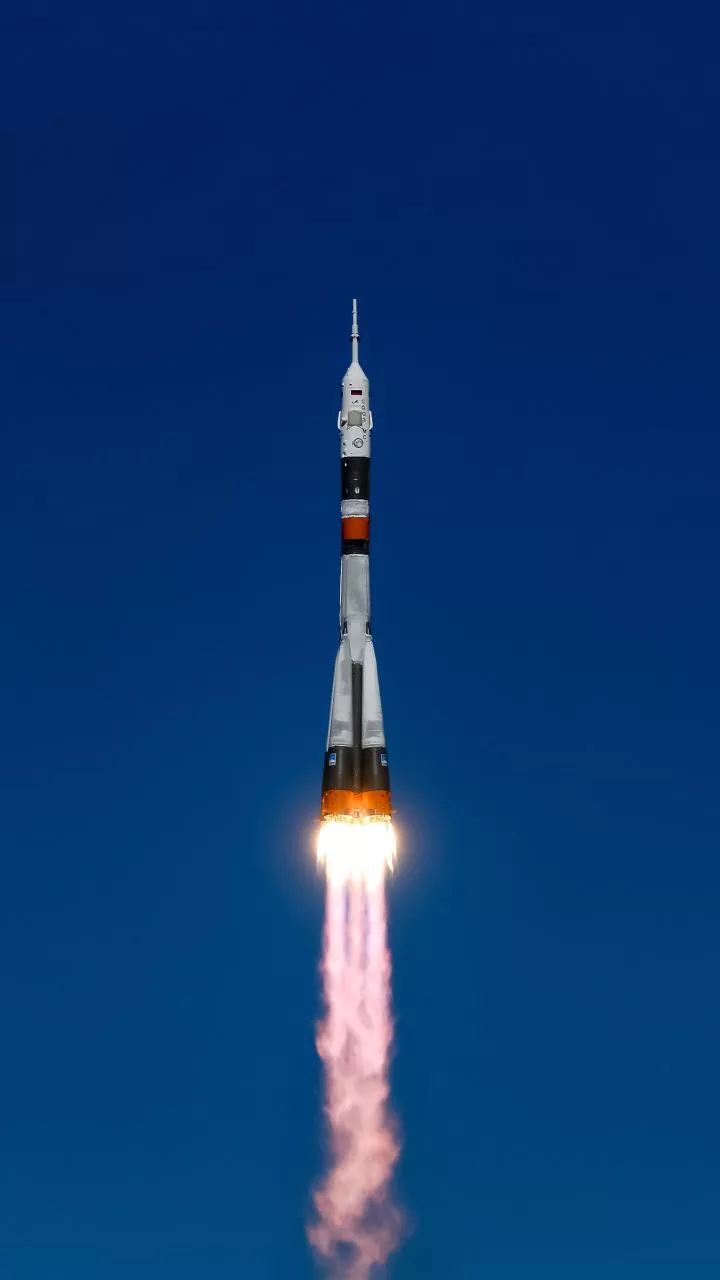
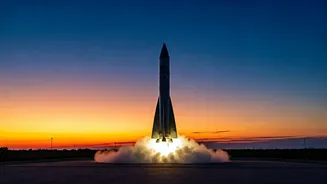
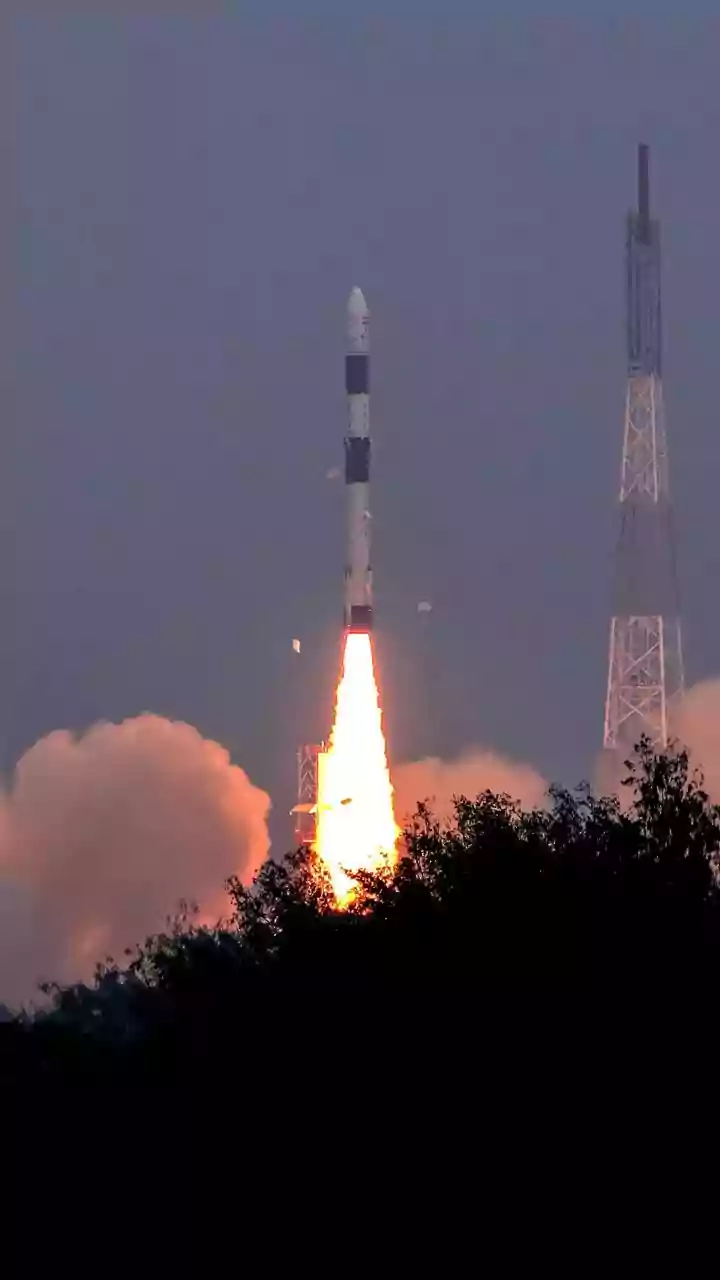
Hyderabad-based startup Skyroot Aerospace has officially announced that it has entered the launch window for its Vikram-1 rocket, with the potential lift-off happening anytime between July 12 and August 4, 2026. Entering a “launch window” means the period
is now open for the rocket to blast off from the Satish Dhawan Space Centre in Sriharikota, subject to final technical checks, clear weather, and range safety. This mission, named 'Aagaman' (Sanskrit for 'arrival'), is not just another launch; it's slated to be India's first-ever orbital mission conducted by a private company. After successfully launching a suborbital rocket, the Vikram-S, in November 2022, Skyroot is now taking the monumental next step of placing satellites into orbit around the Earth.
Who is Skyroot Aerospace?
Skyroot Aerospace is one of the leading startups in India's newly energized private space sector. Founded by former ISRO scientists Pawan Kumar Chandana and Naga Bharath Daka, the company has quickly become a symbol of India's commercial space ambitions. They aim to make spaceflight more affordable, reliable, and frequent, specifically catering to the booming market for small satellite launches. This upcoming flight is the culmination of years of development and represents a critical test of their technology and business model. A successful mission would validate their systems and pave the way for regular commercial operations, placing them among a select group of private companies globally that can launch satellites into orbit.
Meet the Vikram-1 Rocket
The star of Mission Aagaman is the Vikram-1, named in honor of Dr. Vikram Sarabhai, the founder of India's space program. This seven-storey-tall vehicle is a feat of modern engineering, built with an all-carbon composite structure to keep it strong yet lightweight. It’s powered by a combination of propulsion systems developed in-house, including advanced 3D-printed engines and high-thrust solid-fuel boosters. The Vikram-1 is designed to carry payloads of up to 350 kg into Low Earth Orbit. For its maiden orbital flight, it will target an altitude of 450 km. The primary goal of this mission is to collect crucial flight data on the rocket's performance, from propulsion and stage separation to its guidance and control systems, which cannot be fully simulated on the ground.
A New Chapter for Indian Space
For decades, space was the exclusive domain of the Indian Space Research Organisation (ISRO). However, in recent years, the Indian government has introduced major policy reforms to open the sector to private companies. This strategic shift aims to foster innovation, attract investment, and allow ISRO to focus on more ambitious deep-space and research missions while private players handle commercial launches. The establishment of IN-SPACe (Indian National Space Promotion and Authorization Centre) as a single-window agency has been crucial, helping startups like Skyroot navigate regulations and access national launch infrastructure. The success of Mission Aagaman would be the most powerful proof yet that this policy is working, signaling a new, more collaborative phase for India in space.
India Joins the Private Space Race
A successful orbital launch by Skyroot would be a defining moment, positioning India as a serious player in the global commercial space market, which is projected to grow significantly. The global market for small satellite launches is fiercely competitive, dominated by companies like SpaceX and Rocket Lab. Vikram-1 is designed to offer a dedicated, on-demand service for small satellite operators who might otherwise have to wait to share a ride on a larger rocket. By demonstrating a reliable and cost-effective launch capability, Skyroot could help India capture a larger share of this multi-billion dollar industry. This launch isn't just about one company's success; it's about building an entire ecosystem that can support India's growing satellite industry and unlock new economic opportunities.