







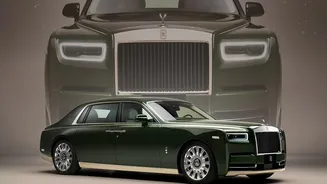
From Loud Logos to Understated Elegance
The term 'quiet luxury' first gained traction in fashion, describing a move away from flashy logos towards high-quality, timeless pieces where craftsmanship speaks for itself. Think of an impeccably tailored suit versus a hoodie emblazoned with a brand
name. In a world saturated with noise, this philosophy of 'stealth wealth' prioritizes discretion and quality over overt displays. This trend is now reshaping professional branding on platforms like LinkedIn. It’s a direct response to years of personal branding gurus advocating for loud, high-volume, and often generic self-promotion. The quiet luxury approach on LinkedIn is the professional equivalent of that well-made suit: it signals confidence and value without needing to be the loudest profile in the room.
Why Senior Freelancers Are Embracing Subtlety
For senior freelancers, this shift is more than just a trend; it's a strategy. After years of building a portfolio and a reputation, they no longer need to 'fake it 'til they make it'. Their work and results are their brand. A 'quiet luxury' profile acts as a filter, attracting discerning clients who recognize and value deep expertise over buzzwords and self-aggrandizement. It projects a calm confidence that is magnetic. Instead of a headline packed with emojis and jargon, you'll find a concise statement of value. Instead of a feed filled with daily 'hustle' updates, you'll see selective, high-value posts and thoughtful engagement. This isn't about being passive; it's about making deliberate, high-impact choices that signal you’re an established expert who lets the work do the talking.
Anatomy of a Quiet Luxury LinkedIn Profile
So what does this look like in practice? It's about a series of deliberate, subtle choices. The profile photo is professional yet approachable, not an overly corporate headshot. The banner image is clean and minimalist, perhaps with a simple tagline or testimonial instead of a busy collage. The headline is client-focused, stating the outcome you deliver for a specific audience, rather than just listing your job title. The 'About' section tells a story, focusing on impact and philosophy over a dry list of skills. The Experience section prioritizes concrete achievements and results over a list of duties. And the Skills section is carefully curated, highlighting a few key areas of deep expertise rather than a sprawling list of 50 skills. Endorsements and recommendations from respected clients and colleagues provide the social proof that loud self-promotion tries, and fails, to replicate.
It's About Showing, Not Just Telling
A common misconception is that quiet luxury means being silent or invisible. The opposite is true. It’s about replacing low-value noise with high-signal activity. Instead of posting about being busy, a freelancer might share a detailed case study of a successful project (with permission, of course). Rather than just liking posts, they engage in meaningful discussions in relevant groups, offering insights that demonstrate their expertise without a direct sales pitch. They might publish a long-form article on LinkedIn that showcases their deep understanding of a niche topic. This content strategy follows an 80/20 rule: 80% of posts provide genuine value and insight, while only 20% are subtly promotional. This approach builds trust and positions them as an authority, making clients come to them.
The Fine Line Between Subtle and Silent
The quiet luxury approach is not without its risks. If not executed with care, it can be misinterpreted as arrogance, aloofness, or a lack of engagement. The key is that the understated presentation must be backed by undeniable substance. A minimalist profile with no featured work, no recommendations, and no activity will simply look empty, not elegantly reserved. The confidence projected by a quiet luxury profile comes from a foundation of proven success. It's a style best suited for professionals who have already put in the work and have the portfolio, testimonials, and results to prove their value. For those still building their reputation, a more direct approach might be necessary before transitioning to this more subtle and confident form of professional self-presentation.