







The Myth of a 'Standard' Mug
Unlike a measuring cup used in baking, which is a standardized unit of volume (typically 240 ml), a mug is not a piece of scientific equipment. Mugs are designed for comfort, style, and personal preference, not for precise measurement. Manufacturers create
them in a vast array of shapes and sizes to cater to different tastes and uses, from small espresso cups to giant soup-bowl-like vessels. While many people might consider a 'standard' mug to hold between 240 ml and 350 ml, this is more of a common range than an official rule. In reality, you can find mugs that hold as little as 150 ml or as much as 500 ml or more.
When Does Mug Size Actually Matter?
For casual sipping, the exact volume of your mug is rarely a concern. However, in the kitchen, it can be the difference between success and failure. Many informal or older recipes call for ingredients in 'mugs' or 'cups', assuming a certain size. If a recipe asks for a mug of flour and you use a large 450 ml novelty mug instead of a more traditional 250 ml one, you will have dramatically altered the ingredient ratios, likely leading to a dry and dense cake. This is why modern recipes rely on standardized measuring cups and, for even greater accuracy, kitchen scales. The recent trend of 'mug cakes' also highlights this issue; a recipe designed for a 300 ml mug might overflow in a smaller one or cook poorly in a much larger one.
Beyond Baking: Coffee, Tea, and Hydration
Your mug's volume also affects the taste and strength of your daily brew. Coffee aficionados carefully measure the ratio of coffee grounds to water. Using a larger-than-intended mug without adjusting the amount of coffee can result in a weak, unsatisfying drink. The same applies to tea; a teabag is designed for a certain amount of water, and using too much can leave you with a watery brew. Furthermore, if you're tracking your daily water intake, knowing your mug's capacity is essential. Simply counting 'three mugs' of water a day is meaningless without knowing whether you're drinking 750 ml or over 1.5 litres.
How to Measure Your Favourite Mug
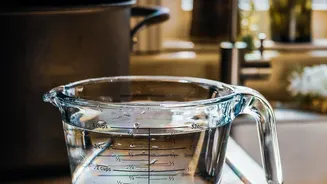
Figuring out the true volume of your mugs is a simple and worthwhile exercise. The easiest method is to use a liquid measuring jug. Simply fill your mug with water to the level you would normally use, then pour that water into the measuring jug to see the exact volume in millilitres. Another option is to use a kitchen scale. Place your empty mug on the scale and zero it. Then, fill the mug with water and place it back on the scale. Since one millilitre of water weighs approximately one gram, the weight in grams will give you a very accurate reading of the volume in millilitres. Knowing this allows you to better understand your recipes and daily habits.