



A New Trail in an Endemic Paradise
Launched on August 1, 2026, by the Andaman & Nicobar Islands Tourism department, the new Rainforest Birding Trail offers a guided walk into the verdant forests of Kalatang in South Andaman. This area, along with hotspots like Chidiya Tapu and Mount Harriet
National Park, is part of a region celebrated for its incredible biodiversity. The Andaman and Nicobar archipelago is home to over 240 bird species, with around 20 endemics found on South Andaman island alone, making it a globally significant destination for birders. These trails wind through dense tropical forests, mangroves, and coastal areas, offering a chance to see a rich variety of life in a compact area.
The Avian Stars of South Andaman
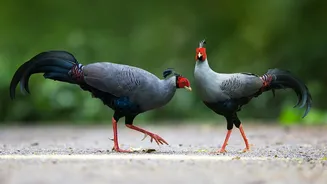
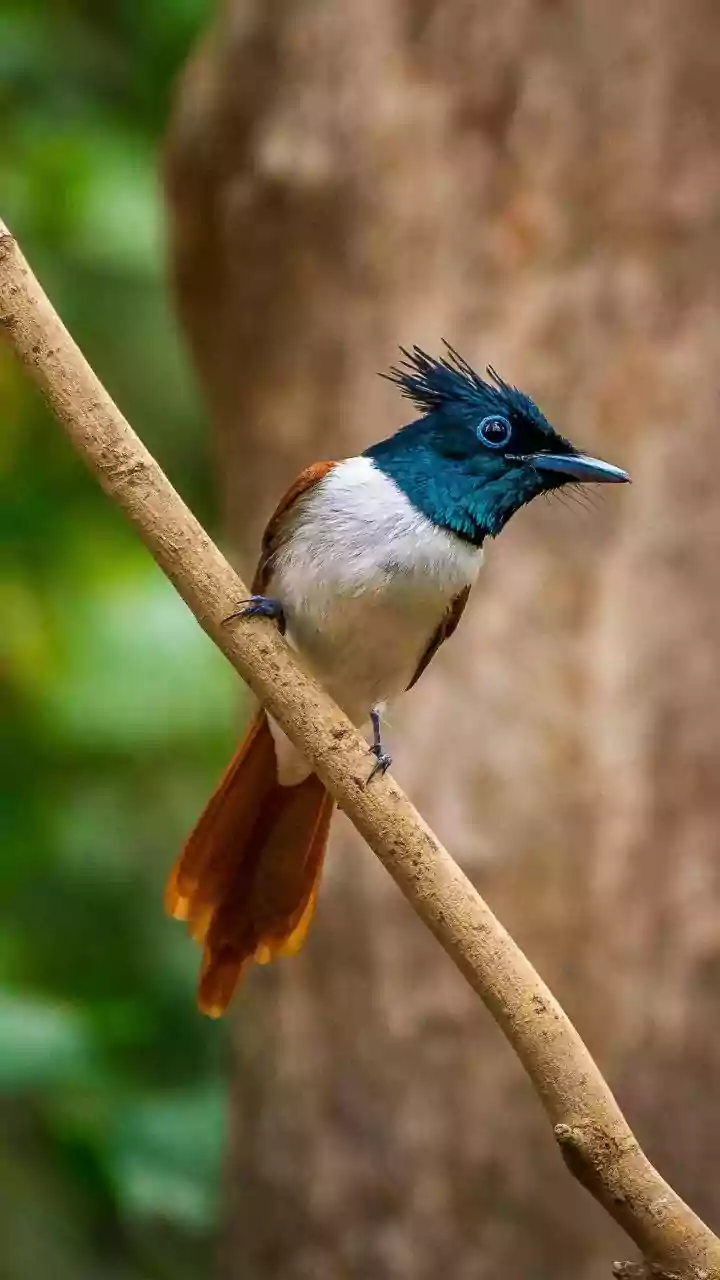
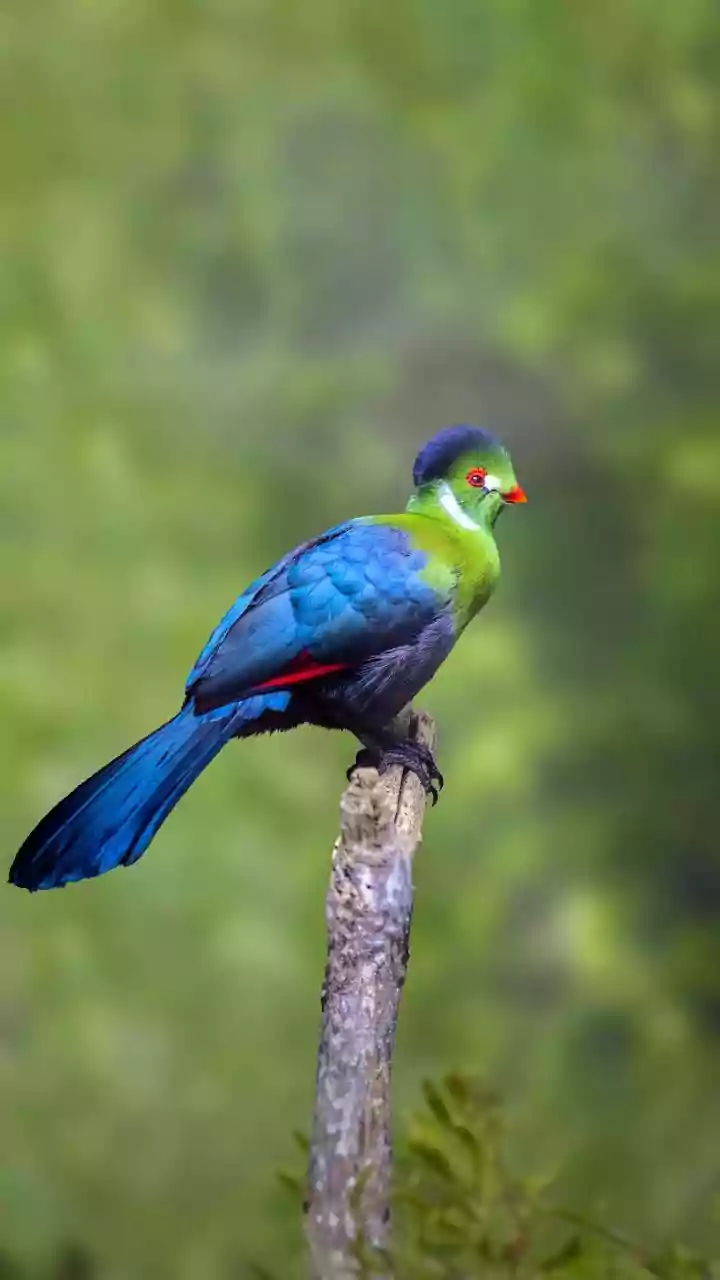
The allure of Andaman birding lies in its unique resident species. The new trail provides opportunities to spot birds you can't see anywhere else on the mainland. Prized sightings include the Andaman Woodpecker, the glossy Andaman Drongo, the secretive Andaman Crake, and the striking Andaman Serpent Eagle. Other endemic highlights that birders seek out include the Andaman Shama, Andaman Bulbul, and the Andaman Cuckooshrike. The forests also echo with the calls of the Andaman Coucal and Andaman Green Pigeon, rewarding patient observers. Night expeditions can reveal nocturnal endemics like the Andaman Scops Owl and Andaman Masked Owl.
Why You Shouldn't Fear the Rain
While peak birding season is often considered the dry winter months from November to March, the monsoon offers a different, equally vibrant experience. The rainforests become exceptionally lush, and insect activity increases, drawing more insect-eating birds into view. Overcast skies provide soft, even light, which is excellent for photography, preventing the harsh glare of direct sun. Furthermore, bird activity often surges in the moments just after a rain shower passes, as birds emerge to feed and sing. Embracing the rain, rather than avoiding it, opens up a unique window into the forest's rhythm.
Your Monsoon Birding Checklist
Success in wet-weather birding comes down to gear. A high-quality waterproof and breathable rain jacket is non-negotiable. Look for one with quiet fabric that doesn't rustle and a hood that allows for good peripheral vision. Waterproof trousers or bibs are also essential for staying comfortable while sitting or kneeling. Protect your feet with waterproof hiking boots. To keep your optics functional, use a binocular rain guard and a waterproof cover for your camera. Pack everything in a water-resistant backpack, preferably with an extra rain cover and internal dry bags for electronics and a change of clothes. Finally, mosquito repellent is a must, as insects are more prevalent in the damp conditions.
Planning Your Trip and Trail Etiquette
The main birding sites in South Andaman, including Kalatang, Chidiya Tapu, and Mount Harriet National Park (also known as Mount Manipur), are easily accessible from Port Blair. Many are protected areas that may require permits, so it's wise to plan ahead. The best times for birding are early morning and late afternoon when bird activity is highest. When on the trail, wear muted colours like green or khaki to blend in and avoid startling the birds. Move slowly and speak softly. Using bird calls to attract species is generally discouraged as it can cause distress to the birds. Hiring a local guide is highly recommended; their expertise can dramatically increase your chances of spotting the elusive endemics.