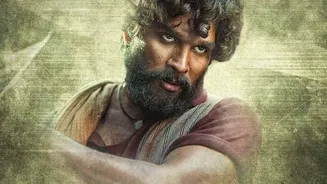







A New Box Office Order
The writing has been on the wall, or rather, the box office ticker. Films like 'Pushpa: The Rise', 'KGF: Chapter 2', and 'RRR' are no longer regional successes; they are national phenomena. These South Indian productions have shattered records, often
outperforming their Hindi counterparts in their own traditional markets. The term 'pan-India' film, once a niche industry concept pioneered by S.S. Rajamouli's 'Baahubali' series, is now the most exciting and profitable trend in Indian entertainment. This isn't just about a few freak hits; it's a fundamental restructuring of the cinematic landscape, proving that a compelling story, well-told, can captivate audiences from Kashmir to Kanyakumari. The success of these films demonstrates that viewers are increasingly prioritising authentic storytelling over a specific language or star power.
The Power of a Perfect Dub
For years, dubbed South Indian films were a fixture on satellite TV, often characterized by poor quality and awkward translations. That era is over. Today, dubbing is a meticulous, high-investment art form crucial to a film's pan-India strategy. The Hindi dialogue for 'Pushpa: The Rise', for example, was given a unique 'Mumbaiya' flavour by a dedicated dubbing director, and voiced by a well-known actor, which helped it resonate deeply with Hindi-speaking viewers. It's no longer a simple word-for-word translation. Dubbing now focuses on cultural localization, adapting jokes, idioms, and emotional cues to feel native to the target language. This commitment to quality ensures that nothing is lost in translation, allowing the film's original emotion and intensity to connect with a much broader audience.
More Than Just Words
While quality dubbing unlocks the door, it's the content of the films that is truly winning hearts. Many of these blockbusters are tapping into a demand for larger-than-life 'masala' entertainment—a blend of high-octane action, raw emotion, and spectacular visuals that many feel has been recently downplayed in mainstream Bollywood. Films like 'KGF' and 'Pushpa' present powerful anti-heroes with humble beginnings who rise through the ranks, a narrative reminiscent of classic 70s and 80s Hindi cinema. These stories are deeply rooted in local culture yet explore universal themes of justice, power, and identity that resonate across the country. By combining grand spectacle with authentic, grounded storytelling, filmmakers from the South are creating a potent cinematic experience that audiences are craving.
The Streaming Springboard
The rise of OTT platforms has played an undeniable role in this cultural shift. During the pandemic lockdowns, audiences across India were exposed to a vast library of regional content on services like Netflix, Amazon Prime, and others. This created a new level of familiarity and appreciation for storytellers and actors from the Tamil, Telugu, Kannada, and Malayalam industries. Viewers became more comfortable with subtitles and discovered that great stories know no language. When theatres reopened, this newfound audience was already primed and eager for more. OTT platforms effectively broke down the linguistic barriers at home, creating an appetite for diverse Indian cinema that the theatrical pan-India blockbusters are now successfully satisfying.