




The Three Faces of Flavour
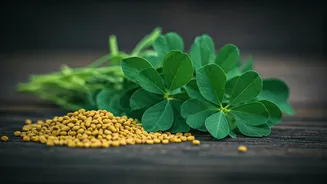
Methi is a culinary shapeshifter, used in three distinct forms: fresh leaves, dried leaves (kasuri methi), and seeds (methi dana). Each form offers a unique taste and purpose, but all share a characteristic bitter-yet-sweet profile. Raw, the flavour can
be intensely bitter, but cooking mellows it into a warm, nutty, and slightly sweet aroma reminiscent of maple or burnt sugar. This complexity is what allows methi to cut through richness, balance sour notes from tomatoes or tamarind, and add an unmistakable depth to simple dishes. Understanding these three forms is the key to unlocking methi's full potential.
Fresh Methi: Vibrant and Earthy
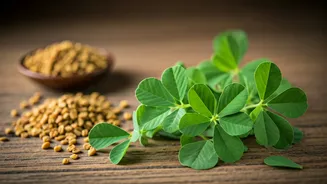
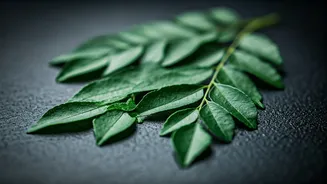
Fresh fenugreek leaves look similar to clover or spinach and are used like any other leafy green. They bring a vibrant, earthy bitterness that works wonders in dishes like aloo methi, where they are paired with potatoes. One popular use is in methi dal, where the leaves are simmered with lentils, tomatoes, and spices to create a comforting and nutritious dish. The leaves wilt and soften, infusing the entire dish with their unique flavour. Fresh methi is also a star ingredient in flatbreads; kneading finely chopped leaves into the dough for methi paratha or thepla results in a fragrant, flavourful bread perfect for any meal. To prepare fresh leaves, it's important to wash them thoroughly to remove any grit. Some cooks suggest sprinkling salt on the chopped leaves and letting them rest for 15 minutes before squeezing out the bitter juices.
Kasuri Methi: The Aromatic Finisher
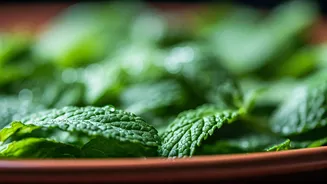
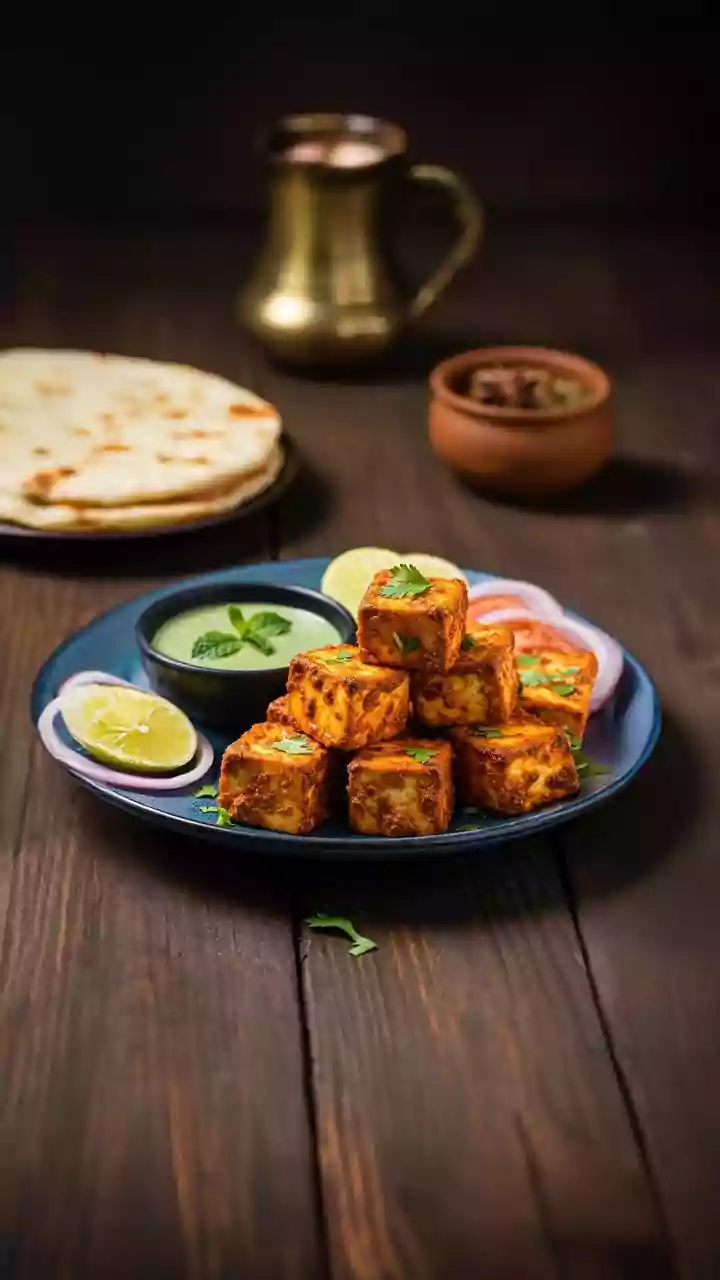
Kasuri methi, or dried fenugreek leaves, possesses a more concentrated and less bitter flavour than its fresh counterpart. Its aroma is potent, nutty, and deeply savoury. This makes it an ideal finishing herb, added towards the end of cooking to preserve its fragrance. A small amount, crushed between your palms just before adding, can transform a simple paneer butter masala, chana masala, or any rich, tomato-based gravy. The warmth of the dish releases the oils in the dried leaves, imparting a final layer of soulful flavour that ties all the other spices together. It can also be incorporated into marinades for paneer or chicken or mixed into spice blends like garam masala.
Methi Dana: A Pungent Punch
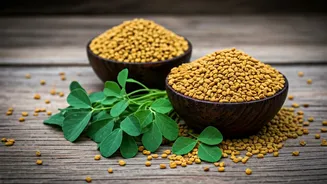
Fenugreek seeds, known as methi dana, are small, hard, yellowish-brown seeds with the most pungent and bitter flavour of all three forms. Because of their intensity, a little goes a long way. The key to using them is tempering, or 'tadka'. Frying the seeds briefly in hot oil or ghee mellows their bitterness and releases a nutty, aromatic flavour that forms an excellent base for dals, curries, and pickles. They are a common ingredient in South Indian sambar and are essential in many pickling spice mixes for their flavour and preservative qualities. The seeds can also be soaked overnight to soften them and reduce bitterness before being used in batters or stews.