






A Gift from Halley's Comet
The Orionid meteor shower is one of the most anticipated celestial events of the year, famous for its speed and brightness. These are not just random shooting stars; they are tiny fragments of ice and dust shed by the legendary Comet 1P/Halley. Though
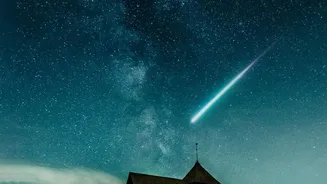
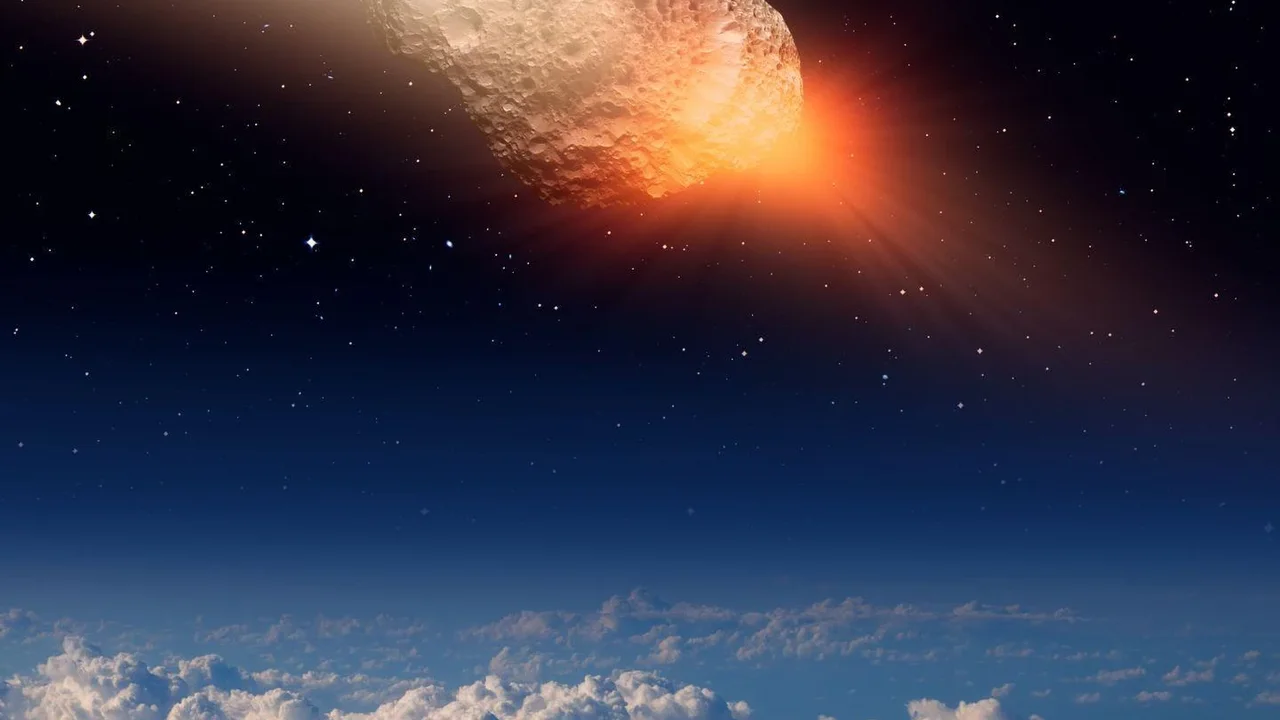
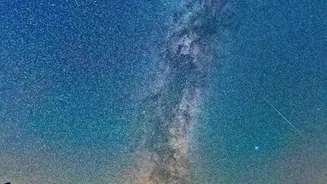
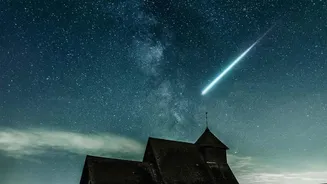
the comet itself only graces our skies once every 76 years—last seen in 1986 and not due back until 2061—it leaves behind a trail of debris. Each October, when our planet’s orbit intersects this path, these particles burn up in our atmosphere at incredible speeds of around 66 kilometres per second, creating the dazzling streaks of light we call the Orionids. Because of their speed, these meteors can sometimes leave behind glowing trails of incandescent gas that linger for a few seconds, and the brightest ones may even appear as dramatic fireballs.
When and Where to Watch in 2026
The Orionid meteor shower is active from early October to early November, but the best time to watch is during its peak. For 2026, the peak nights are expected to be October 21 and 22. The most spectacular viewing will be in the hours after midnight until dawn, when the shower's radiant—the point in the sky where the meteors appear to originate—is highest. This radiant is located in the constellation of Orion, near the bright star Betelgeuse, which is how the shower gets its name. However, you don’t need to stare directly at Orion. In fact, meteors will appear longer and more spectacular if you look about 45 to 90 degrees away from the radiant, taking in as much of the sky as possible.
The Challenge: A Bright Moon
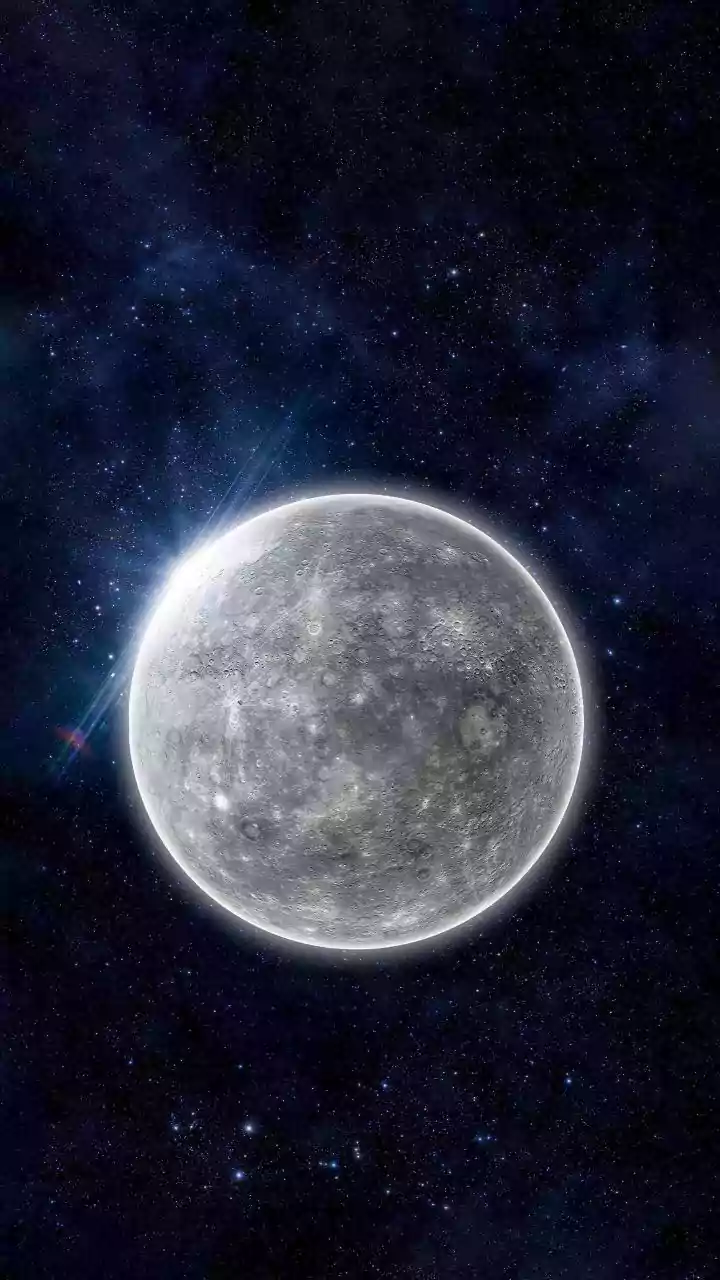
This year, the primary obstacle for viewers is the Moon. During the peak on October 21-22, the Moon will be in a waxing gibbous phase, meaning it will be about 77-87% illuminated. A bright moon acts like natural light pollution, washing out the sky and making it difficult to spot the fainter meteors. While the Orionids are known for their brightness, the moonlight will significantly reduce the number of visible meteors from the typical 20 per hour in dark skies to a lower, less predictable rate. However, there is a window of opportunity. On the peak nights, the moon will set a few hours before sunrise. This creates a period of darker skies, offering the best chance to catch the show before dawn breaks.
Maximise Your Viewing Experience
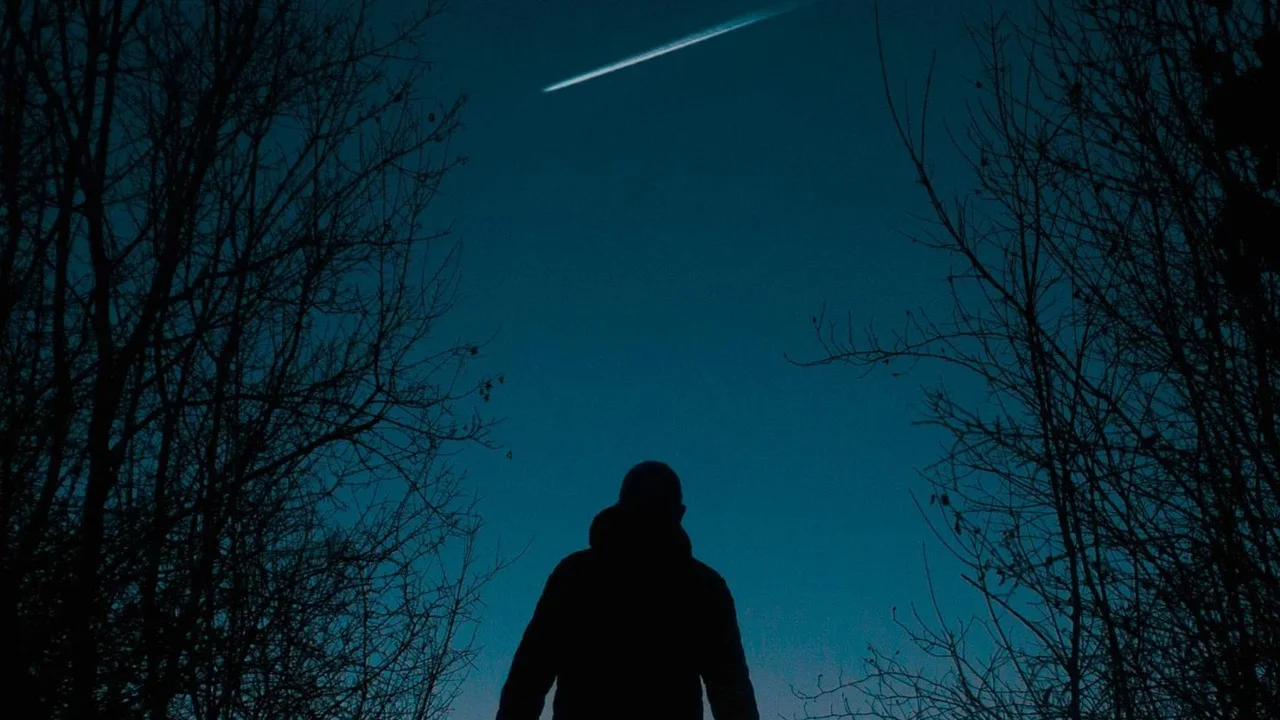
Despite the moonlight, you can still enjoy the Orionids with some planning. The first rule of stargazing is to get away from city and street lights. Find the darkest spot you can, such as a rural area or a park with an open view of the sky. Give your eyes at least 20-30 minutes to fully adapt to the darkness; this means no looking at your phone screen. Dress warmly and make yourself comfortable with a blanket or a reclining chair, as you’ll be looking up for a while. Lie on your back and look straight up, allowing your gaze to take in as much of the sky as you can. When the Moon is bright, try to position yourself so it's out of your direct line of sight to preserve your night vision. Patience is key—you might not see a meteor every minute, but the reward is a beautiful, fleeting piece of cosmic history.