




Prioritise Drainage Above All Else
The single most common cause of plant failure during the monsoon is root rot from waterlogged soil. Your first task is to ensure water can escape freely. Check that every pot has clear drainage holes; over time, they can get clogged with compacted soil or
roots. Elevating your pots is a simple but highly effective trick. Use plant stands, bricks, or small pot feet to create a gap between the container and the balcony floor. This prevents them from sitting in puddles and allows air to circulate underneath, which aids drying. Also, remember to check your main balcony drain, as a blockage there can flood your entire space regardless of how well your pots are draining.
Rethink Your Potting Soil
Heavy, dense soil is a major problem during the rainy season as it retains too much water. If your plants are in regular garden soil, consider repotting them into a lighter, well-draining potting mix. An ideal mixture for containers combines soil with materials like coco peat, compost, and perlite or coarse sand. This blend holds enough moisture for the roots but lets the excess drain away quickly, preventing the soil from becoming a soggy mass. If you can't repot everything, try loosening the top layer of soil in your existing pots to improve aeration and prevent compaction from heavy rain.
Water Only When Necessary
It may sound counterintuitive, but you can still overwater your plants during the monsoon. Don't assume the rain is doing all the work, especially for plants under a roof or in a sheltered corner. However, never water on a fixed schedule. The golden rule is to check the soil first. Stick your finger about two inches into the topsoil; if it feels dry, it's time to water. If it's damp, leave it alone. When you do water, aim for the base of the plant to keep the foliage as dry as possible, which helps prevent fungal diseases that thrive on wet leaves.
Guard Against Pests and Fungal Diseases
High humidity creates a perfect breeding ground for pests and fungal infections like powdery mildew and leaf spot. Prevention is key. Ensure good air circulation by leaving adequate space between your pots. Regularly prune your plants, removing any yellowing leaves, crowded branches, or dead foliage to improve airflow and reduce spots where moisture can linger. An occasional spray with an organic solution like neem oil can help keep common pests and fungal issues at bay. Also, be vigilant about emptying any drip trays or saucers under your pots, as stagnant water is a prime breeding spot for mosquitoes.
Provide Support and Shelter
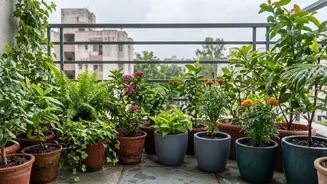
Heavy downpours and strong winds can physically damage plants, breaking stems and tearing leaves. For taller or more delicate plants, provide support using stakes to keep them upright. If your balcony is very exposed, consider moving more sensitive plants to a sheltered spot away from the direct force of the rain. Grouping pots together can offer some mutual protection and reduce soil erosion from splashing rain. For extremely delicate plants, a temporary transparent rain cover might be a worthwhile investment during periods of relentless downpour.
Choose Monsoon-Friendly Plants
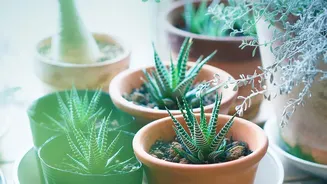
Some plants naturally handle the monsoon better than others. This season is an excellent time to add species that love humidity and moisture to your collection. Plants like hibiscus, jasmine, peace lilies, ferns, and various gourds tend to thrive. It's generally best to avoid keeping succulents and cacti in open areas during this time, as they are highly susceptible to rot from excess water. The monsoon is also a fantastic period for propagation, as the high humidity helps cuttings root more easily, making it a great time to expand your garden for free.