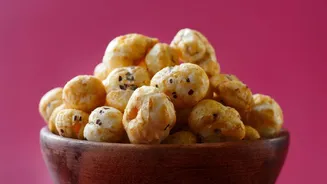




Move over, potato chips. There’s a new crunchy snack taking over pantries across India, and it’s one that grandmothers have known about for centuries. Roasted makhana is having a major moment, especially among the country's youth. Here's why.
A Traditional Food Gets a Modern Twist
For generations,
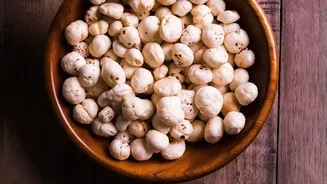
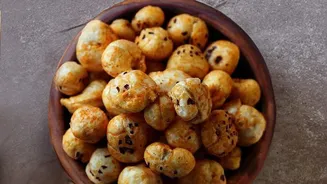
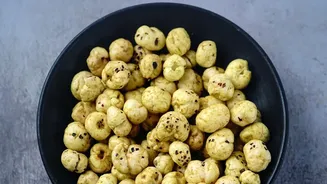
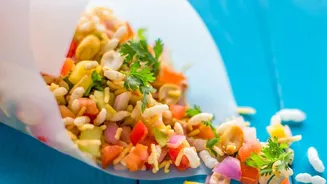
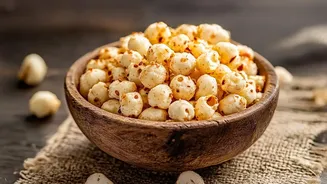
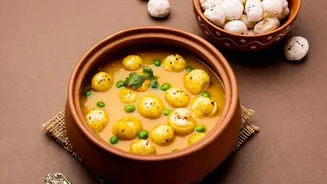
makhana, also known as fox nuts or phool makhana, were primarily seen as a humble food for fasting. Harvested from the seeds of the prickly water lily, these airy, white puffs were a staple during religious festivals like Navratri and Diwali, valued for their purity and lightness. Traditionally, they were either roasted at home with a bit of ghee and salt, or used in dishes like kheer and curries. Today, however, makhana has shed its old-fashioned image and transformed into a trendy, ready-to-eat snack. Walk down any supermarket aisle, and you’ll find it in slick, modern packaging, available in a variety of flavours from peri-peri and cheese to mint and barbecue. This evolution is a key reason for its newfound popularity.
The Ultimate Guilt-Free Crunch
At the heart of makhana's rise is a nationwide shift towards healthier living. Young Indians are increasingly health-conscious, reading labels and seeking out snacks that are both tasty and nutritious. Makhana fits this description perfectly. It is naturally low in calories and fat, gluten-free, and a good source of plant-based protein and fibre. A single serving can make you feel full without the guilt associated with deep-fried snacks. This makes it an ideal choice for weight management and for satisfying those mid-meal or late-night hunger pangs. The high fibre content also aids digestion and helps regulate blood sugar levels, making it a smart choice for a balanced diet.
Packed with Nutritional Goodness
Beyond being a low-calorie alternative, makhana is a nutritional powerhouse. It is rich in essential minerals like magnesium, potassium, calcium, and phosphorus. Magnesium is vital for muscle function and nerve health, while potassium helps manage blood pressure. Calcium, as we all know, is crucial for strong bones and teeth. Furthermore, makhana is loaded with antioxidants like gallic acid and epicatechin, which help fight free radicals in the body and can reduce inflammation. This impressive nutritional profile has earned it 'superfood' status among wellness enthusiasts and health experts.
Convenience for a FastPaced Generation
For Gen Z and millennials juggling busy schedules, convenience is king. The Indian market for healthy snacks is booming, with a projected compound annual growth rate of nearly 10%. Roasted and flavoured makhana is perfectly positioned to cater to this onthego lifestyle. It’s a nonmessy, portable snack that can be thrown into a work bag or a gym kit. Recent surveys show that young people are the biggest fans of makhana, with nearly half of Gen Z choosing it as their goto snack. Brands have responded by offering portioncontrolled pouches that are easy to carry and consume anywhere, making healthy eating effortless for a generation that is always on the move.
Connecting with Cultural Roots
The appeal of makhana isn’t just about health and convenience; it’s also about cultural resonance. While young Indians are quick to adopt global trends, there is also a growing appreciation for traditional, locallysourced foods. Makhana offers the best of both worlds. It's an ancient Indian ingredient, rooted in Ayurveda and centuries of tradition, that has been successfully reinvented for the modern palate. Choosing makhana over a bag of imported chips is a small way of connecting with one's heritage while still enjoying a contemporary, flavourful snack. This blend of tradition and trendiness has made makhana more than just a food—it’s a lifestyle choice.