




An Uneven Monsoon Performance
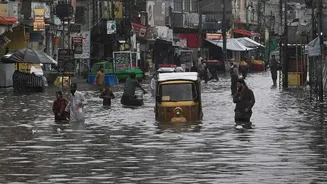
The monsoon's performance in 2026 has been patchy and inconsistent. While a surge in July helped narrow an early, alarming deficit, the relief was short-lived and unevenly distributed. As of mid-August, the all-India rainfall deficit is hovering around
12%, but this national average hides significant regional disparities. Forecasts for the latter half of August suggest a further weakening of rainfall activity, particularly over western, central, and southern regions. States like Andhra Pradesh have recorded deficits as high as 34%, with many districts across Karnataka, Maharashtra, and Tamil Nadu also experiencing significantly below-normal rainfall. This dry spell is occurring just as the Kharif crops, planted in June and July, enter a critical growth phase where they need consistent moisture to determine final yields.
Kharif Crops Under Stress
The timing of this rainfall weakness is critical for India's primary agricultural season. The latest data from the Agriculture Ministry shows that overall Kharif sowing is slightly behind last year's pace, with the total area down by about 2% as of August 14. The shortfall is more pronounced in specific crops crucial to the food basket. The area under rice cultivation is down by 3.7%, while key pulses like tur (arhar) and cereals like maize have seen a 4% dip in sowing area. Soybean acreage has also declined. With the sowing window now largely closed, the nation's agricultural output for the season is almost entirely dependent on the yield from these planted crops, which are now threatened by increasing moisture stress and above-normal temperatures. Experts warn that persistent dry spells from this point can lead to crop yield losses even if the season's total rainfall eventually evens out.
The Ripple Effect on Reservoirs and Prices
The impact of a weak monsoon extends beyond the fields. Water reservoir levels, crucial for drinking water and winter crop (Rabi) irrigation, are a major concern. Across southern India, reservoir storage in early August was at just 46% of capacity, a massive 32 percentage points lower than the same period last year. This sharp decline in states like Karnataka and Tamil Nadu raises serious questions about water availability for the coming months and could jeopardise the next cropping season. This combination of lower sowing area and potential yield loss is stoking fears of food inflation. Economists and officials have warned that a shortfall in the production of pulses, oilseeds, and vegetables could exert upward pressure on prices, affecting household budgets across the country. The strengthening El Niño phenomenon, which is associated with reduced monsoon rainfall, adds another layer of uncertainty to the outlook.
Watching and Waiting
While the situation is concerning, government officials are monitoring it closely. India maintains significant buffer stocks of essential food grains like rice and wheat, which can be used to intervene in the market and control sharp price rises. These reserves provide a crucial cushion against immediate, widespread shortages in cereals. However, the supply of more perishable items like vegetables and certain pulses is more vulnerable to short-term production shocks. The coming weeks will be decisive. A late revival of the monsoon could still salvage some of the threatened crops and help replenish dangerously low reservoirs. But if the current dry trend persists as forecast, farmers, consumers, and policymakers will need to brace for the economic consequences of a rain-deficient season in India's agricultural heartlands.