





Understanding the Hyper-Palatable Trap
Hyper-palatable foods are processed items designed to be intensely rewarding to our brains. Manufacturers craft a specific combination of fat, sugar, sodium, and carbohydrates that doesn't exist in nature. This blend stimulates the brain's pleasure centres,
making it difficult to stop eating. Unlike a whole apple, where sugar is balanced with fibre and water, these foods are often stripped of nutrients that signal fullness, encouraging overconsumption. The result is a cycle of craving that can impact health and wellness goals. Common examples include everything from biscuits and instant noodles to frozen meals and sugary drinks.
The Art of the Hidden Ingredient
Food manufacturers in India are required by the Food Safety and Standards Authority of India (FSSAI) to list all ingredients. However, the system allows for some strategic labelling. Ingredients are listed in descending order by weight, so companies might use smaller amounts of several different types of sweeteners. This pushes each one further down the list, making the product seem less sugary than it is. Furthermore, vague terms like “natural flavours” or “spices” can be used as catch-alls for complex chemical blends, some of which are considered trade secrets. This makes a full audit tricky without knowing what to look for.
Decoding the Many Names for Sugar
Sugar is a master of disguise. It rarely appears on a label just once as 'sugar'. To avoid accidentally consuming too much, scan ingredient lists for its many aliases. Words ending in “-ose” like dextrose, fructose, maltose, and sucrose are clear giveaways. Syrups are another major category, including high-fructose corn syrup (HFCS), rice syrup, and barley malt syrup. Also be wary of seemingly healthier names like cane juice crystals, date sugar, fruit juice concentrate, and honey. A particularly common one in packaged snacks is maltodextrin, a highly processed powder used as a thickener or filler that can cause blood sugar spikes.
Uncovering Unhealthy Fats and Oils
Fats are essential for flavour and texture, but not all are created equal. The most important fats to avoid are artificial trans fats, which are often found in fried snacks, biscuits, and margarine. Look for the words “partially hydrogenated oil” on the ingredient list; this is the primary source of trans fats and is best avoided completely. Many products also use generic “vegetable oil” or palm oil as a top ingredient, which can be a sign of a highly processed, lower-quality product. Emulsifiers like mono- and diglycerides are often used to improve texture in items like peanut butter and ice cream, and some can be derived from oils containing hidden trans fats.
Finding Sodium and Flavour Enhancers
Excess sodium is a key component of many hyper-palatable foods, especially savoury snacks, processed meats, and sauces. Beyond just 'salt', look for ingredients like sodium benzoate (a preservative), sodium nitrite (in cured meats), and monosodium glutamate (MSG). MSG is a well-known flavour enhancer that makes food taste more savoury. While FSSAI permits its use with labelling requirements, it can be hidden under terms like 'hydrolysed protein' or INS number 621. Other enhancers to watch for are disodium inosinate (INS 631) and disodium guanylate (INS 627), which are often used with MSG to boost flavour.
Your Three-Step Packaging Audit
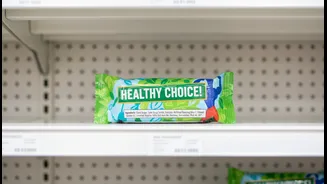
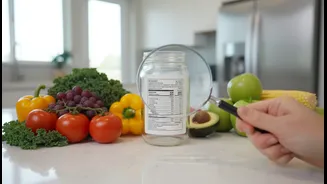
Feeling overwhelmed? Don't be. Turning label-reading into a habit is simple with a clear process. First, ignore the flashy claims on the front of the package like “natural” or “low-fat,” which can be misleading. Second, turn the package over and read the first three to five ingredients. These make up the bulk of the product. If sugar, refined flour (maida), or palm oil are at the top, you know it's not a nutrient-dense choice. Third, quickly scan the rest of the list for the hidden names of sugar, fat, and sodium you've just learned. This simple audit takes only a few seconds per product and empowers you to make a truly informed choice.