




Trading Concrete Jungles for Mountain Air
For many young professionals in India’s bustling metropolises, the daily grind has become a source of burnout. The endless traffic, persistent pollution, high cost of living, and the intense pressure of the tech industry have left many searching for an escape.
This isn't just about a better work-life balance; it's about a fundamental lifestyle redesign. The freedom of remote work, a legacy of the pandemic, has unlocked a new possibility: why stay in a crowded city when your office can be anywhere? This question has prompted a migration, not of masses, but of a pioneering group of digital nomads trading their city apartments for a life with a view.
The Undeniable Pull of Rishikesh
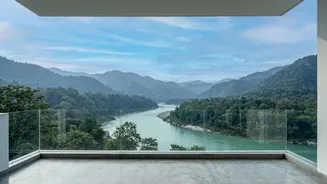
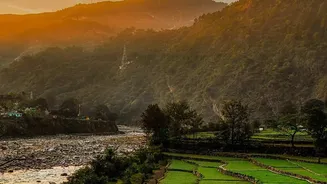
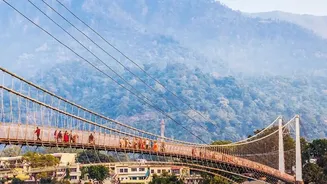
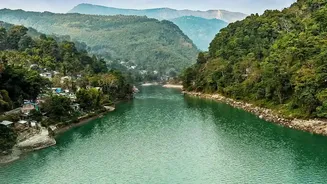
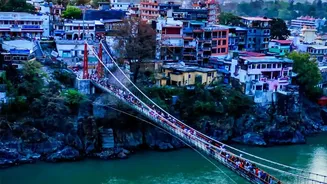
Rishikesh has long been known as the 'Yoga Capital of the World', a destination for spiritual seekers and adventurers. Now, it's adding another title to its name: a hub for digital nomads. The town offers a unique blend of tranquility and modern infrastructure. Beyond its spiritual allure and natural beauty, it provides a surprisingly practical setting for remote work. The air is cleaner, the pace is slower, and the atmosphere is conducive to focus and creativity. For tech workers accustomed to high-stress environments, the ability to close a laptop after a client call and walk to a riverside café or join a meditation class is a powerful incentive. This blend of wellness and work is the core of Rishikesh's appeal.
The Rise of the Co-Living Hub
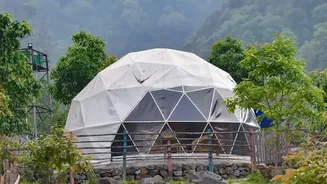
Moving to a new town, even for a few months, can be daunting. This is where co-living spaces have become a game-changer. These hubs are more than just a place to stay; they are fully-equipped ecosystems designed for the modern remote worker. For a single monthly fee, freelancers get a furnished room, high-speed internet, power backup, and dedicated co-working areas. Many also offer communal kitchens, laundry services, and organised community events, from weekend treks to bonfire nights. This model removes the logistical headaches of setting up a new life, offering a plug-and-play solution. More importantly, it provides an instant community, combating the isolation that can often accompany freelance life.
A Day in the Life of a Mountain Coder
Imagine a day that starts not with an alarm and a frantic commute, but with the sound of birds and a yoga session overlooking the mountains. The workday is spent in a bright, airy co-working space, fuelled by fresh local food. Instead of a hurried lunch at a desk, it’s a mindful meal with fellow residents who are also designers, writers, and entrepreneurs from across the country. An afternoon break might involve a short walk to a nearby waterfall. Evenings are for exploring Rishikesh’s vibrant café scene, attending a Ganga aarti ceremony, or simply relaxing on a rooftop with new friends. This routine, once a distant dream, is now the daily reality for those who have made the leap, proving that productivity and peace can coexist.
A Sustainable Shift or a Passing Phase?
While the 'work from mountains' lifestyle is appealing, it's not without its challenges. Intermittent internet connectivity during bad weather, a quieter social scene compared to a major city, and feelings of isolation can be real concerns. For some, like one Gen-Z employee who moved to Manali, the dream proves different from the reality, leading to a return to the city after a few months. However, for many, the benefits far outweigh the drawbacks. The affordability is a major factor; monthly expenses in a co-living hub can be significantly lower than renting and living in Delhi or Mumbai. As more companies embrace remote-first policies and infrastructure in scenic locations like Rishikesh continues to improve, this trend looks less like a temporary escape and more like a permanent evolution in how Indians approach their careers and quality of life.