






The Power of Orange Peels
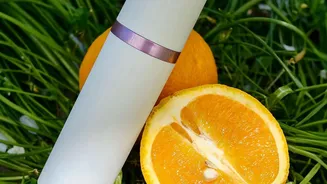
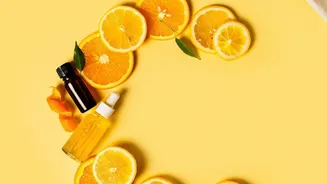
Orange peels are a powerhouse of Vitamin C and antioxidants, making them a fantastic ingredient for winter skincare. Vitamin C is known to help boost collagen production, brighten skin, and even out skin tone. The peel's natural oils can also provide
hydration, while its gentle astringent properties help cleanse pores, which is beneficial for those with oily or acne-prone skin. You can easily make your own orange peel powder at home by drying the peels in the sun until they are crisp and then grinding them into a fine powder. For a simple and effective face mask, mix two tablespoons of this powder with a tablespoon of honey and a tablespoon of yogurt to form a paste. Apply this to your face, leave it on for about 15 minutes, and then rinse with lukewarm water for a refreshed glow.
Banana Peels for Hydration
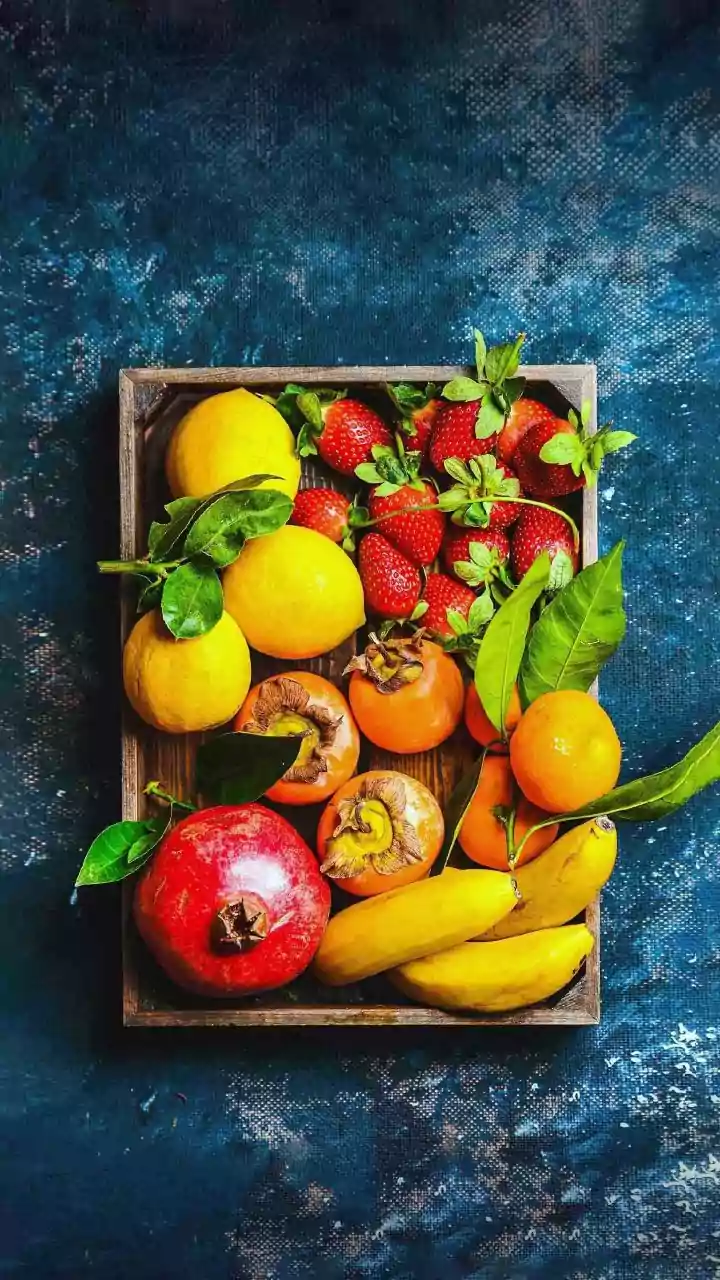
Don't throw away that banana peel; it’s a treasure trove of nutrients for your skin. Rich in potassium and vitamins A, B, and C, banana peels are excellent for moisturizing and nourishing dry winter skin. The antioxidants and moisture within the peel can soothe irritation and help combat dryness, leaving your skin feeling soft and supple. For an incredibly simple treatment, you can gently rub the inner, white side of a fresh banana peel on your clean face. Focus on areas that feel particularly dry. Let the residue sit on your skin for about 15-20 minutes to allow your skin to absorb the nutrients, then rinse it off. This can help hydrate the skin and may even reduce the appearance of fine lines over time.
Pomegranate Peels for Rejuvenation
Often overlooked, pomegranate peels are packed with potent antioxidants, even more so than the fruit's seeds. These antioxidants help protect the skin from environmental damage and can slow down signs of aging. Pomegranate peels also have anti-inflammatory and healing properties, which can help soothe irritated skin and prevent breakouts. One study found that regular application of pomegranate peel masks helped lighten areas of hyperpigmentation. To use, you can dry the peels and grind them into a powder. Mix a tablespoon of this powder with rose water or yogurt to create a paste. Apply the mask and leave it on for about 15 minutes before washing it off. This can help detoxify the skin and promote a firmer, brighter complexion.
A Note on Lemon Peels
Lemon peels are often recommended in DIY skincare for their high citric acid and Vitamin C content, which can help lighten dark spots and control oil. However, they must be used with extreme caution. The high acidity of raw lemon can disrupt your skin’s natural pH barrier, leading to irritation, dryness, and redness. Furthermore, citrus peels contain compounds called psoralens, which can cause a phototoxic reaction when the skin is exposed to sunlight, potentially resulting in burns or dark pigmentation patches. If you choose to use lemon peel, it is much safer to use a powdered, dried version mixed with a buffer like honey or yogurt, always do a patch test, apply it in the evening, and be diligent with sunscreen the next day.