




The Perennial Problem of Waterlogging
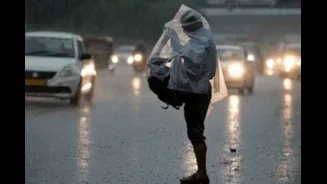
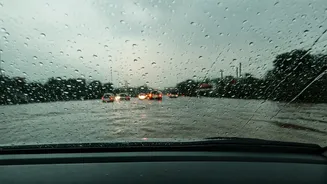
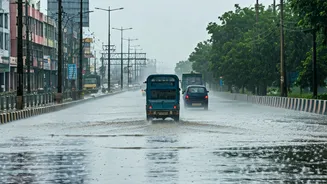
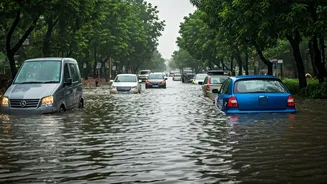
Every year, the first few showers are a stark reminder of the city's drainage challenges. Key arterial roads and low-lying areas in Delhi, Gurgaon, and Noida are quickly submerged, turning a simple drive into a multi-hour ordeal. Despite annual desilting
drives, the problem persists, leading to massive traffic snarls and stranded vehicles. Reports from previous monsoons show that even a few hours of intense rain can overwhelm the drainage infrastructure, making it crucial for commuters to check for waterlogging updates before heading out. Authorities often issue advisories, but flash flooding can be unpredictable, leaving weekend travellers stuck for hours.
Navigating Commuting Chaos
The risk of getting stuck is not just an inconvenience; it can be dangerous. Waterlogged underpasses pose a significant threat, and driving through deep water can damage your vehicle's engine and electrical systems. Public transport is also affected, with bus routes often diverted and ride-hailing services becoming scarce and expensive. Even the Delhi Metro, a reliable alternative for many, can experience issues with crowding and water seepage at certain stations. The IMD has issued alerts for thunderstorms and gusty winds, which can lead to fallen trees and further blockages, adding another layer of unpredictability to weekend travel.
Health Risks on the Rise
The monsoon is a breeding season for a host of diseases. Stagnant water becomes a breeding ground for mosquitoes, increasing the risk of vector-borne illnesses like dengue, malaria, and chikungunya. Wading through flooded streets can also lead to fungal infections and leptospirosis, a bacterial infection spread through contaminated water. Furthermore, the high humidity can lead to a spike in airborne infections like the common cold and flu. Food and water-borne diseases such as typhoid and gastroenteritis also become more prevalent due to the risk of contamination. Taking precautions like using mosquito repellent, avoiding street food, and ensuring drinking water is safe are essential during this season.
The Unreliable Power Supply
Heavy rain and strong winds frequently lead to power outages across the NCR. While some are scheduled for maintenance, many are unplanned and can last for hours, disrupting weekend activities at home. An already strained power grid, which struggles during peak summer heat, is further tested by monsoon weather. Fallen trees and damaged electricity lines are common causes for these outages. For those working from home or planning a quiet weekend indoors, a sudden power cut can be a major hassle. It is advisable to keep emergency lights, power banks, and other essentials charged and ready.
How to Plan a Safer Weekend
While staying home might seem like the safest bet, a little planning can help you navigate the weekend. The India Meteorological Department (IMD) regularly issues forecasts and colour-coded alerts (yellow, orange, red) that indicate the severity of expected weather. Paying attention to these alerts is the first step. Before stepping out, check real-time traffic updates and news reports for waterlogging information. Have a backup plan for outdoor activities. Prepare a small emergency kit for your car with a first-aid box, drinking water, and snacks. At home, ensure your balcony drains are clear and any loose objects are secured. Being prepared doesn't mean putting a stop to all plans, but it does mean being smart and cautious.