





Why Ladakh Is a Stargazer’s Paradise
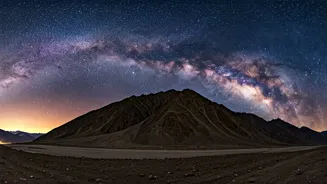
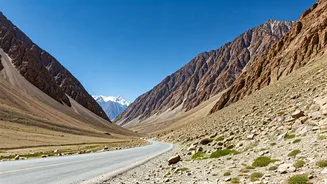
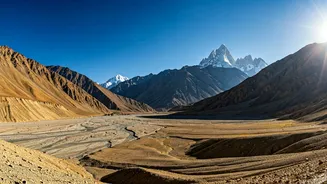
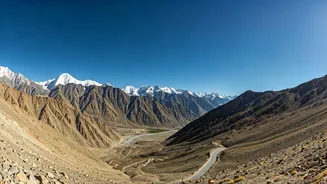
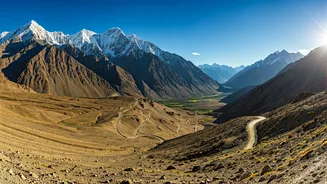
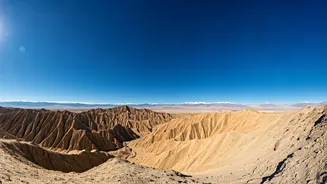
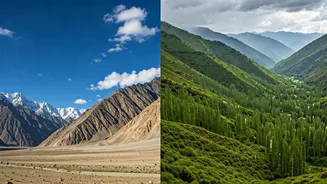
Ladakh's unique geography is its greatest asset for astronomy. Most of the region sits above 10,000 feet, meaning there's less atmosphere to blur the light from distant stars. The high-altitude desert climate ensures minimal humidity and cloud cover,
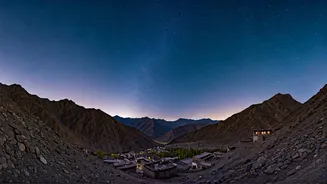
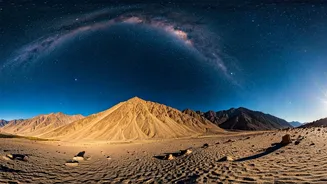
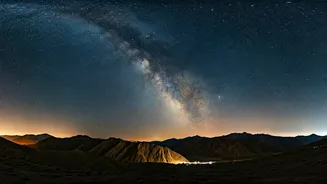
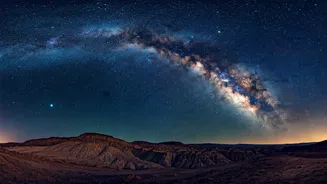
leading to exceptionally clear nights. Far from major cities, its remote valleys are free from the light pollution that washes out the night sky elsewhere. This combination of factors creates a pristine natural observatory, offering breathtaking 360-degree views of the cosmos. It is this unparalleled clarity that led to the creation of India's first official Dark Sky Reserve in the village of Hanle, a testament to the region's commitment to preserving its dark skies.
A Cosmic Calendar for 2026
Timing your visit with a meteor shower can elevate your Ladakh trip into a truly cosmic experience. While the stargazing season generally runs from May to October, here are the key meteor showers to mark on your calendar for the rest of 2026. The Perseids (August 12-13): This is one of the world's most famous showers. While it coincides with India's monsoon season, Ladakh's rain-shadow location often provides clear skies. The 2026 peak aligns with a new moon, promising ideal dark conditions for viewing the up to 100 meteors per hour. The Leonids (November 16-17): Known for producing bright, fast meteors that can leave glowing trails, the Leonids are always a treat. While no major "storm" is predicted for 2026, you can still expect a reliable show of 10-15 impressive meteors per hour. The Geminids (December 13-14): Widely considered India's best and most reliable meteor shower of the year, the Geminids can produce up to 120 meteors per hour. The 2026 peak has excellent viewing conditions, with a near-new moon ensuring the sky is perfectly dark for the grand finale of the celestial year.
Prime High-Altitude Viewing Spots
While almost anywhere in Ladakh outside of Leh offers great views, some spots are legendary. Hanle, home to the Indian Astronomical Observatory, is the crown jewel. Designated as India's first Dark Sky Reserve, it sits at an altitude of 4,500 metres and offers the darkest skies in the country. Pangong Tso, the famous high-altitude lake, provides a surreal backdrop, with stars reflecting in its serene waters on clear nights. Nubra Valley, at a slightly lower altitude, offers a good balance of comfort and dark skies, with villages like Hunder providing excellent viewing away from any lights. For those seeking solitude, Tso Moriri is another pristine high-altitude lake that is less frequented than Pangong but offers equally sharp and brilliant views of the sky.
The Essential Meteor Watch Checklist
Packing correctly is crucial for enjoying a cold, high-altitude night under the stars. Your comfort and safety depend on it. For Clothing: Layering is key. Start with thermal wear, add fleece or wool mid-layers, and top it with a windproof and insulated down jacket. Don't forget a warm hat, gloves, and thick socks, as temperatures can drop dramatically after sunset. For Gear: A red-light torch is essential to help you navigate in the dark without ruining your night vision. While your eyes are the best tool for watching a meteor shower, a good pair of binoculars can enhance views of the Milky Way and constellations. Astrophotographers should pack a DSLR or mirrorless camera, a wide-angle lens, and a sturdy tripod. Stargazing apps like Stellarium or SkyView can help you identify what you're seeing. For Health & Comfort: Acclimatization is non-negotiable. Spend at least two days in Leh to adjust to the altitude before heading higher. Carry a reusable water bottle to stay hydrated. A thermos with a hot beverage like tea or soup can make the cold night much more pleasant.
Permits and Practicalities
Many of Ladakh's prime stargazing locations, including Hanle, Pangong Tso, Nubra Valley, and Tso Moriri, are in protected areas near international borders. To visit these spots, Indian citizens must obtain an Inner Line Permit (ILP). The ILP is an official travel document that can be applied for online via the Leh administration's portal or offline at the DC office in Leh. You'll need a valid government-issued photo ID. The permit is typically valid for up to three weeks and requires you to list the specific areas you plan to visit. It's wise to carry multiple photocopies of your permit, as you will need to submit one at various checkpoints along your route.