

Understanding Protein 'Quality'
When we talk about protein quality, we're referring to its amino acid profile. Proteins are made of building blocks called amino acids. There are nine 'essential' amino acids that our bodies cannot produce, so we must get them from food. A 'complete'
protein contains all nine of these essential amino acids in sufficient amounts. While most animal-based foods like meat, eggs, and dairy are naturally complete proteins, the majority of plant-based foods are 'incomplete,' meaning they are low in one or more essential amino acids. For Indian vegetarians, the two most important amino acids to be aware of are lysine and methionine. Grains like rice and wheat are often low in lysine, while legumes like dals and beans are typically low in methionine.
The Science of Pairing: Protein Complementation
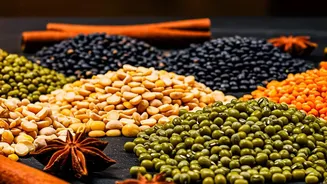
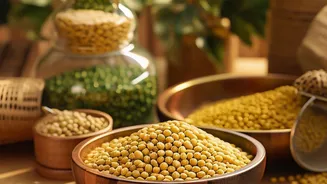
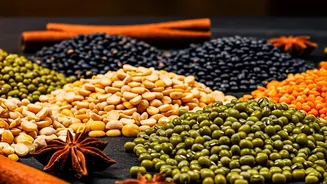
This is where the wisdom of Indian cooking shines. The concept of 'protein complementation' involves combining two or more incomplete plant protein sources to create a complete amino acid profile. Because the food group that is weak in one amino acid is often strong in the one that another group lacks, pairing them together fills in the nutritional gaps. The most classic example is the combination of legumes (like dal, chana, or rajma) with grains (like rice or wheat). The lentils provide the lysine that rice is missing, and the rice provides the methionine that the lentils are missing. Together, they form a complete protein that your body can fully utilize.
Classic Indian Meals That Are Complete Proteins
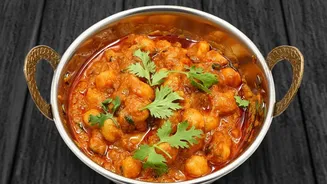
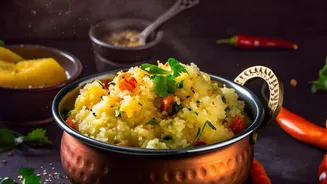
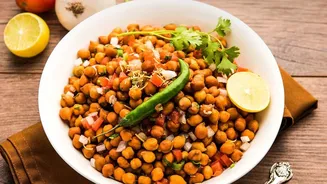
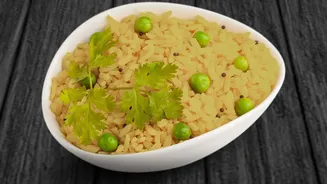
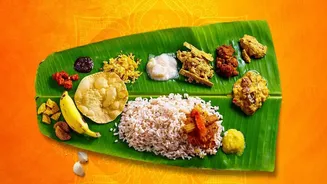
You are likely already eating complete protein meals without even realizing it. Many staple Indian dishes are perfect examples of protein complementation: Dal and Chawal: This is the quintessential complete protein meal. The combination of lentils and rice ensures you get all nine essential amino acids.; Roti and Dal/Sabzi: Pairing whole wheat roti with any dal or even a legume-based sabzi like chana or lobia accomplishes the same goal.; Rajma and Chawal: A beloved North Indian classic, kidney beans paired with rice is a hearty and nutritionally complete meal.; Idli and Dosa with Sambhar: The fermented batter of rice and urad dal, served with lentil-based sambhar, is a fantastic complete protein source, common in South India. The fermentation process can also enhance protein absorption.; Khichdi: Made from rice and moong dal, this ultimate comfort food is also one of India's original one-pot complete protein meals.
Boosting Protein Quality Further
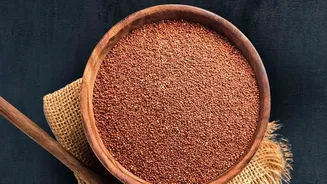
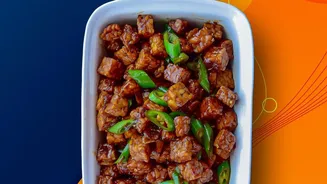
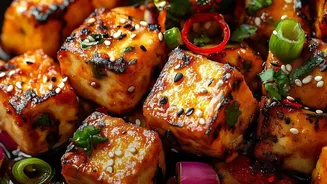
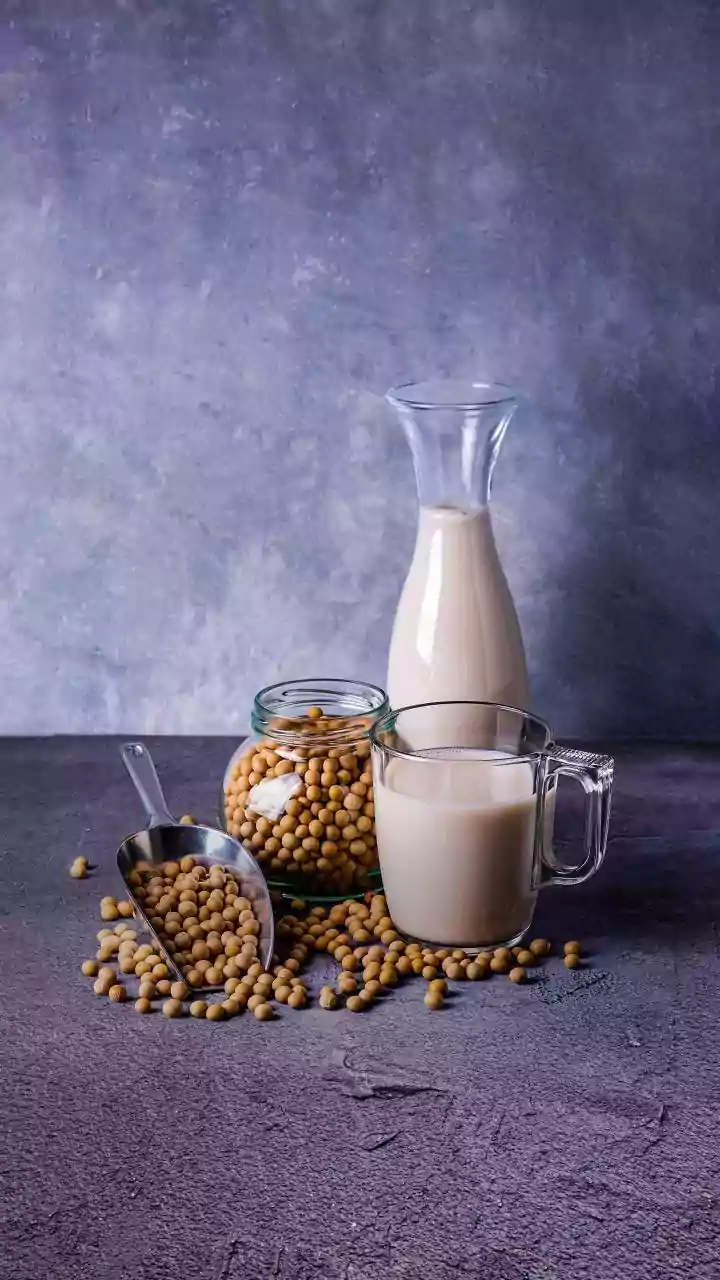
Beyond the classic grain and legume pairings, several other foods can elevate the protein quality of your vegetarian meals. Dairy products like paneer, curd (dahi), and milk are complete proteins on their own and can be easily added to any meal. A bowl of dal with rice becomes even more protein-rich with a side of yogurt or a few cubes of paneer in a sabzi. Nuts and seeds are another powerful addition. Sprinkling pumpkin seeds, almonds, or walnuts onto your meals adds protein, healthy fats, and other micronutrients. Some plant foods are naturally complete or near-complete proteins. Soy products like tofu and soy chunks, as well as grains like quinoa and amaranth (rajgira), contain all nine essential amino acids.
Maximise What You Absorb
It's not just about what you eat, but also what your body can absorb. Plant-based foods contain compounds that can sometimes interfere with protein digestion. Traditional cooking methods help overcome this. Soaking legumes and grains overnight before cooking, sprouting beans like moong, and fermenting batters (as with idli/dosa) can significantly improve protein digestibility and nutrient absorption. You don't necessarily need to combine proteins in every single meal. Your body maintains a pool of amino acids throughout the day, so as long as you consume a variety of grains, legumes, dairy, nuts, and seeds over the course of the day, you will likely meet your complete protein needs.