


The Power-Packed Pulse
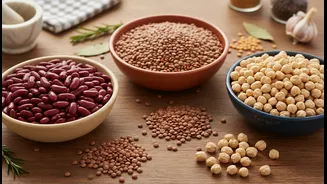
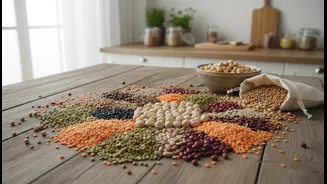
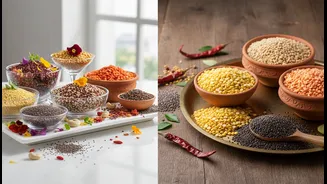
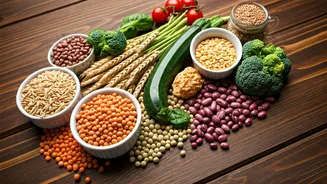
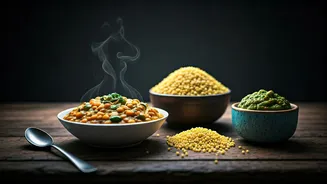
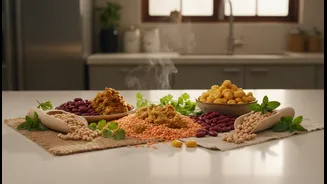
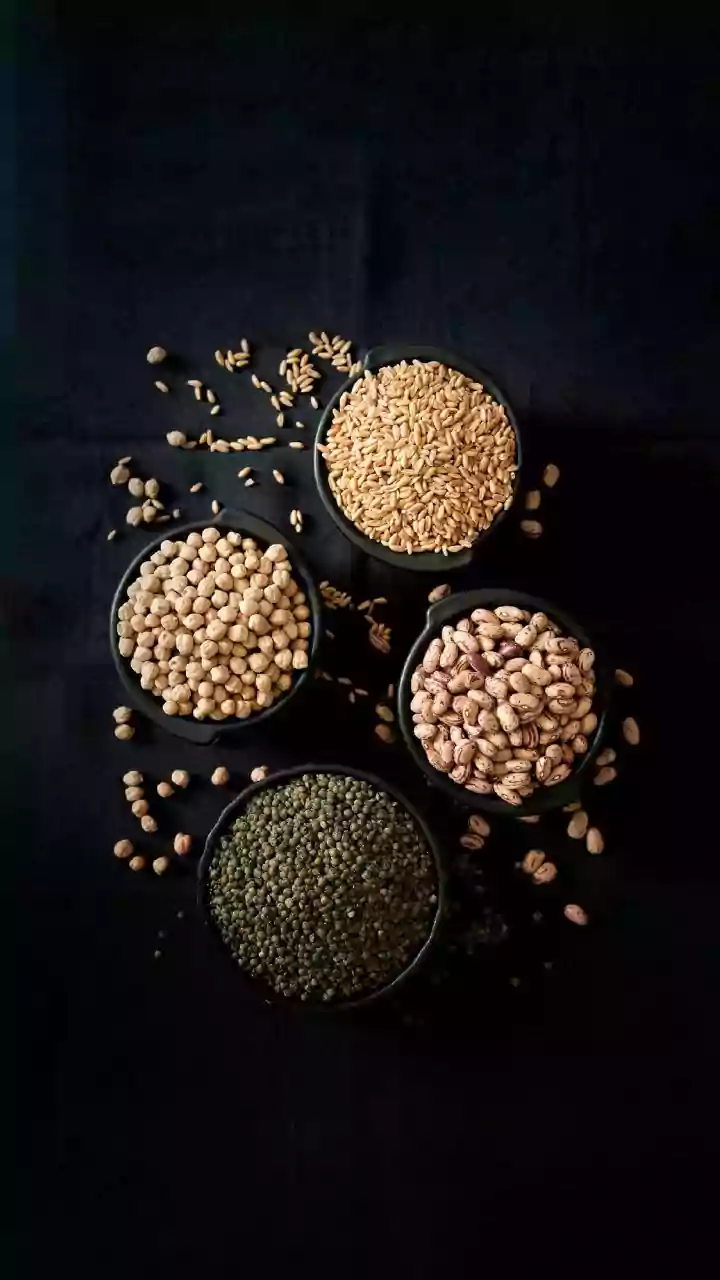
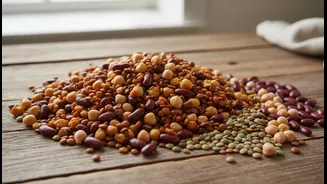
What exactly are pulses? The term refers to the dried edible seeds of legume plants. In the Indian context, this includes a vast and colourful variety of lentils (dals), beans, peas, and chickpeas that form the bedrock of our vegetarian protein intake.
Think of masoor, moong, toor, urad, rajma, and chana—these are all pulses. They are celebrated not only for their affordability and long shelf life but also for their incredible nutritional profile. Unlike other legumes, pulses are harvested as dry grains, distinguishing them from fresh vegetables like green peas. Packed with protein, fibre, and essential minerals, they are a true superfood hiding in plain sight in our very own kitchens.
The Heart-Health Connection
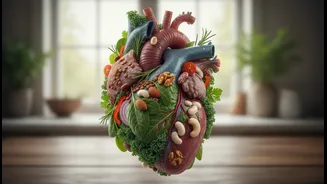
The benefits of pulses for cardiovascular health are well-documented. Their power lies in a unique combination of nutrients. Firstly, they are exceptionally high in soluble fibre. This fibre helps reduce levels of LDL or "bad" cholesterol by preventing its absorption in the gut. Studies have shown that eating just one serving of pulses a day can lower LDL cholesterol by five percent, which in turn can reduce the risk of cardiovascular disease. Furthermore, pulses are rich in potassium and magnesium, minerals that play a crucial role in regulating blood pressure. They are also naturally low in fat and, being plant-based, contain no cholesterol. This combination makes them a formidable ally in the fight against heart disease, hypertension, and stroke.
Key Pulses For Your Pantry
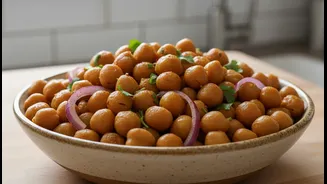
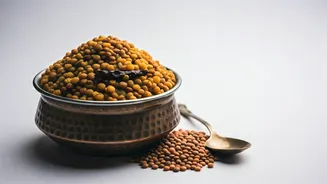
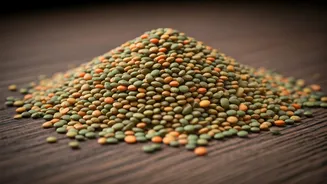
While all pulses are beneficial, some are particularly noteworthy for their heart-protective properties. Lentils (Masoor, Moong, Toor Dal): Lentils are nutritional powerhouses, rich in protein, iron, and folate. Red lentils (masoor dal) are especially quick to cook. Research suggests that lentils, in particular, may be very effective at lowering blood pressure. With about 9 grams of protein per half-cup serving, they are an excellent foundation for any meal. Chickpeas (Chana): Whether it's the large Kabuli chana or the smaller desi variety, chickpeas are a fantastic source of fibre, protein, and minerals like iron and manganese. They contain nearly 15 grams of protein per cooked cup. Their high fibre content helps in managing blood sugar and keeps you feeling full, which aids in weight management—a key factor for heart health. Kidney Beans (Rajma): A Sunday favourite in many North Indian homes, rajma is more than just comfort food. Kidney beans are loaded with fibre, protein, and potassium. The dark red variety is also packed with antioxidants that help fight inflammation, a known contributor to heart disease.
Beyond Your Daily Dal
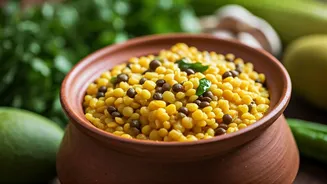
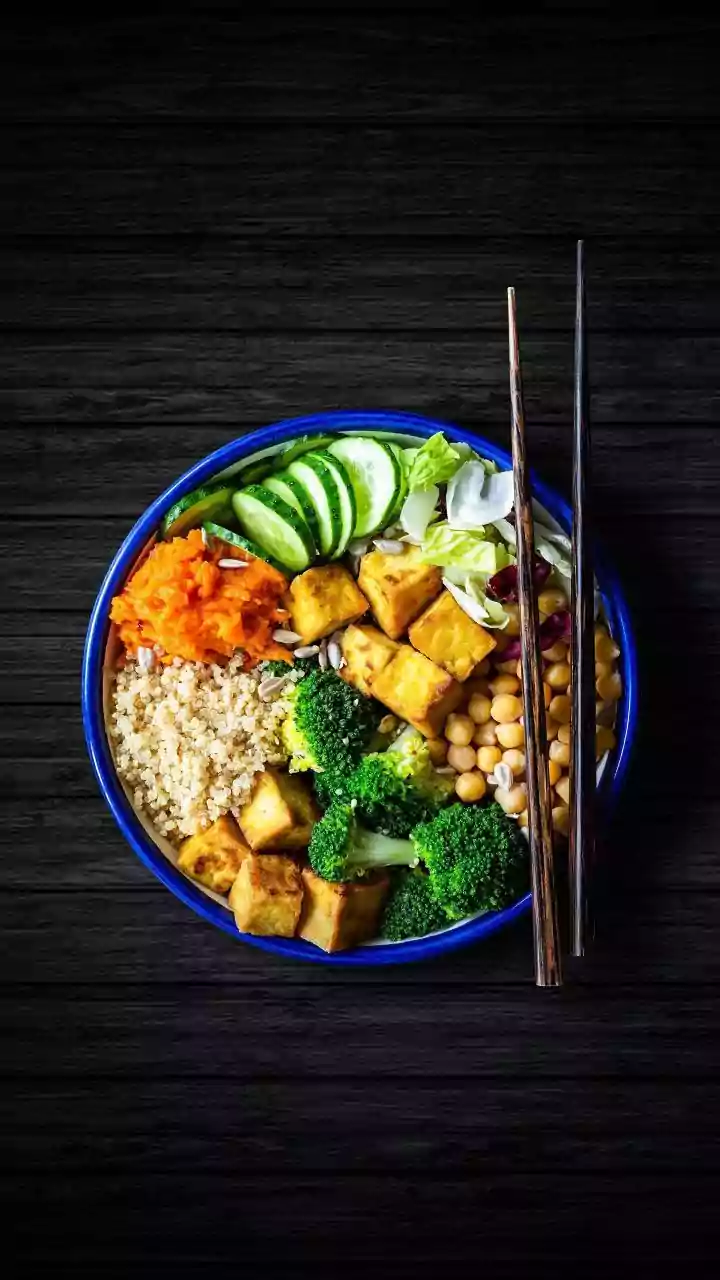
We all love a good tadka dal, but there are countless other ways to incorporate more pulses into your diet. Sprouting pulses like moong can increase their nutritional value and makes them easier to digest; they can be added to salads or eaten as a snack. Pulse flours, like besan (chickpea flour), can be used to make everything from cheelas and dhokla to healthier, protein-packed rotis. Roasted chickpeas make for a crunchy, savoury snack that is far healthier than fried alternatives. You can also blend cooked pulses into soups and gravies to thicken them and boost their nutritional content without altering the flavour too much. Think of adding beans to your vegetable sabzi, making hummus with chickpeas for a healthy dip, or creating burgers and tikkis from a base of cooked lentils or beans.
How Much Is Enough?
To reap the heart-healthy benefits, consistency is key. Many international health organisations suggest aiming for at least three servings of pulses per week, with one serving being about one cup of cooked pulses. The Dietary Approaches to Stop Hypertension (DASH) diet, known for its effectiveness in lowering blood pressure, recommends 4-5 half-cup servings weekly. A reasonable and simple target is to aim for about 100 grams (roughly half a cup) of cooked pulses per day. Given their prevalence in Indian cuisine, this is an achievable goal for most people. By consciously including a variety of dals, chana, and rajma in your weekly meal plan, you can easily meet and exceed this recommendation, ensuring your heart gets the support it needs.