






What Is This Trend, Exactly?
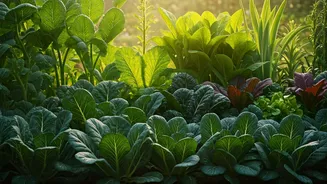
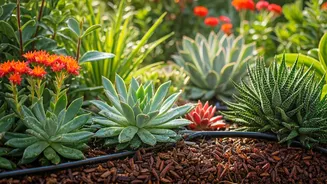
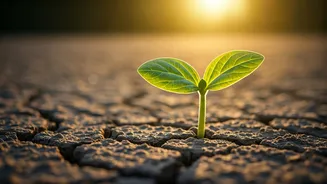
The movement is all about going native. Simply put, it’s the practice of choosing plants that are indigenous to your specific region in India. Instead of planting exotic species from other countries that look pretty in catalogues, you’re planting the flowers,
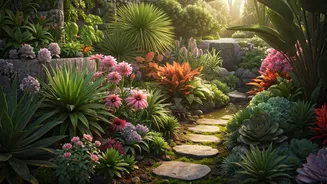
shrubs, and trees that have co-evolved with your local climate and wildlife for thousands of years. Think of it as restoring a tiny piece of India’s original natural landscape, right on your windowsill or in your garden plot. It’s a shift from seeing a garden as a collection of foreign objects to viewing it as a living, breathing part of the local ecosystem.
Why Your Garden Should Go Native
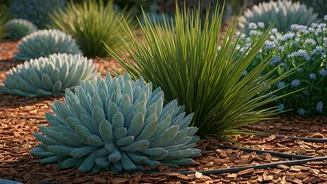
The benefits of this approach are immense, both for you and for the planet. Native plants are perfectly adapted to the local soil, rainfall patterns, and temperature swings. This means they are naturally hardier and require far less intervention. You’ll find yourself using significantly less water, which is a huge win in a water-stressed country like India. They have also developed natural defences against local pests and diseases, dramatically reducing or even eliminating the need for chemical pesticides and fertilisers. This not only saves you money but also protects the soil and water from harmful chemical runoff. It's a low-maintenance, cost-effective approach to gardening that yields beautiful results.
Becoming a Wildlife Magnet
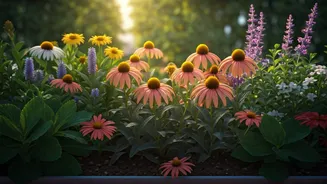
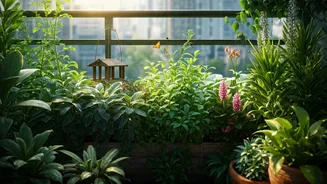
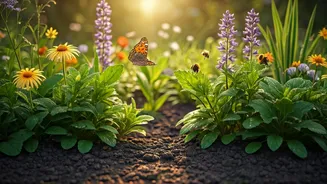
Perhaps the most magical benefit of planting natives is the life they bring. Local birds, bees, butterflies, and other insects have evolved alongside these specific plants. The flowers of a native plant provide the exact type of nectar its local pollinators need, while its leaves might be the only food source for the caterpillars of a specific butterfly. When you plant exotics, a garden can become a 'food desert' for local wildlife. But when you plant native species like Parijat (Night-flowering Jasmine), Indian Marigold (Genda), or Curry Leaf (Kadi Patta), you are rolling out the welcome mat for a vibrant ecosystem. Your garden will soon be buzzing and fluttering with activity, providing a fascinating, ever-changing nature show right outside your window.
How to Start Your Native Garden
Getting started is simpler than it sounds. You don’t need to tear out your entire existing garden. Start small. 1. **Identify Your Region:** India has diverse agro-climatic zones. A plant native to the Western Ghats won't thrive in the Gangetic plains. Do a quick search for your local zone. 2. **Visit a Local Nursery:** Avoid big-box stores that often stock generic, non-native plants. Find a local, old-school nursery and talk to the staff. Ask them for plants that are “local” or “desi.” They are your best resource. 3. **Choose Easy Starters:** For a sunny balcony, consider plants like Tulsi (Holy Basil), Hibiscus (Gudhal), or Jasmine (Mogra). If you have more space, trees like Neem or Indian Lilac (Bakain) are excellent choices that support a huge range of life. 4. **Think in Layers:** To create a true habitat, try to plant a mix of grasses, flowers, shrubs, and, if you have space, a tree. This provides food and shelter for a wider variety of creatures.
More Than Just Plants
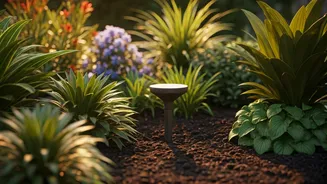
Once you’ve started planting, you can take a few more steps to enhance your mini-ecosystem. Add a shallow dish of water (a bird bath) to provide a critical resource for birds and insects, especially during hot summers. Instead of chemical fertilisers, start a small compost bin with your kitchen scraps to create nutrient-rich food for your plants. Most importantly, learn to tolerate a little 'imperfection.' A few nibbled leaves are not a sign of failure; they're a sign that your garden is successfully doing its job—providing food for local wildlife. You've created a habitat, not just a decoration.