
Ditch the Schedule, Trust the Soil
The single biggest mistake gardeners make during the monsoon is sticking to a summer watering schedule. With high humidity and frequent rain, the soil stays moist for much longer. Instead of watering daily or every other day, check the soil first. The best
method is the finger test: insert your finger about two inches into the soil. If it comes out clean and dry, it's time to water. If it feels moist or soil sticks to it, wait another day or two. For many indoor plants, this might mean you only need to water once every 10 to 15 days. This simple habit is the most effective way to prevent the dreaded root rot.
Focus on Excellent Drainage
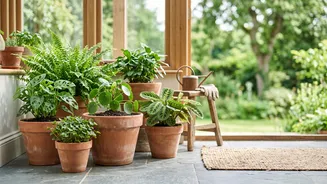
During the monsoon, good drainage is non-negotiable. When soil remains waterlogged, it cuts off oxygen to the roots, leading to decay. Ensure every pot has drainage holes. If your plants are in decorative pots without holes, it's a good idea to repot them for the season. Elevating pots on stands or 'pot feet' also helps, allowing water to flow freely away and preventing the pot from sitting in a puddle. After it rains or you water, make it a habit to empty the collection saucers underneath your pots. Leaving them full of water is a direct invitation for root rot.
Indoor vs. Outdoor Plant Needs
Plants exposed to direct rain and those sheltered on a balcony or indoors have different needs. Outdoor plants might not need any manual watering at all if they are receiving regular rainfall. Your job here is to monitor their drainage to ensure they aren't waterlogged. Indoor plants, on the other hand, are protected from rain but still affected by the high ambient humidity. This means their soil will dry out much slower than in summer. Continue to check their soil moisture and water sparingly. Also, try to move them closer to windows to maximise the limited sunlight available on cloudy days.
Recognise the Signs of Overwatering
Plants will tell you when they are unhappy. The most common sign of overwatering and root rot is yellowing leaves, especially lower ones. The plant may also look wilted or droopy, which can be confusing because it makes you think it's thirsty. A wilting plant in soil that is already wet is a clear sign of distress at the root level. Other symptoms include soft, mushy stems and a foul smell from the soil, similar to a drain. If you notice these signs, you need to act quickly, which often involves repotting the plant into fresh, dry soil after trimming away any rotten roots.
Manage Humidity-Related Problems
High humidity is a breeding ground for fungal diseases and pests like fungus gnats. To combat this, ensure good air circulation around your plants. Avoid overcrowding them and consider using a small fan on a low setting to keep the air moving. Always water the soil directly, not the leaves, as wet foliage encourages fungal spots. A preventive spray of neem oil solution every 10-15 days can help keep pests at bay. Sprinkling a little cinnamon powder on the topsoil can also act as a natural antifungal agent.
Adjust Your Fertilising Plan
Heavy rains can wash away nutrients from the soil, especially in potted plants. However, you should be cautious with fertilising during this time. Fertilising overly wet soil can burn the roots. The best approach is to wait for a dry spell between rains to feed your plants. Opt for slow-release organic fertilisers like vermicompost or compost, which provide steady nutrition without the risk of chemical burn. You can apply a layer every 20-30 days to replenish the nutrients lost to the rain.