




The Foundation: Food Safety First
Before we get to the fun stuff, it's crucial to master the basics. Perishable foods must be kept out of the 'temperature danger zone'—between 40°F and 140°F—where bacteria can multiply rapidly. A good quality cooler packed with plenty of ice or frozen
gel packs is non-negotiable for items like meat, dairy, and prepared salads. The rule of thumb is that perishable food shouldn't be in the danger zone for more than two hours, or just one hour if the ambient temperature is above 90°F. For long trips, consider using two coolers: one for drinks and immediate snacks to limit opening, and another for later meals to maintain its temperature longer. Also, be sure to pack raw meats separately and at the bottom of the cooler to prevent any juices from contaminating ready-to-eat foods.
Fueling the Drive: Energy and Nutrition
A long car ride is a marathon, not a sprint, and your food should reflect that. Relying on sugary snacks and fast food can lead to energy crashes and leave you feeling sluggish. Instead, aim for a balanced mix of protein, complex carbohydrates, and healthy fats to maintain stable energy levels. Think beyond bags of chips and consider snacks like nuts, seeds, jerky, protein bars, and whole-grain crackers with hard cheese. Hard-boiled eggs, individual nut butter packets, and roasted chickpeas are also excellent, protein-rich options that travel well. This approach keeps you feeling full and focused on the road ahead, rather than dealing with the highs and lows of a sugar rush.
Don't Forget to Hydrate
Dehydration can sneak up on you during a long journey, often masquerading as hunger or fatigue. While it’s easy to grab a soda at a rest stop, packing your own water is a smarter, healthier, and more economical choice. Bring reusable water bottles for everyone in the car and consider packing a large jug of water for refills. This not only keeps you hydrated but also allows you to wash hands or clean up small spills if needed. Limiting sugary drinks will also help you avoid unnecessary calories and the inevitable energy crash that follows.
Minimising Mess and Maximising Ease
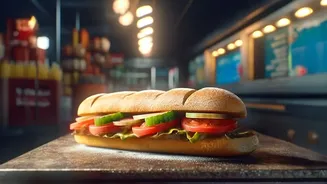
The last thing you want to deal with in a cramped car is a food-related disaster. The best travel foods are 'low-drama.' Choose items that are easy to eat with one hand and won't create a mess of crumbs or drips. Whole fruits like apples, oranges, and grapes are better choices than a large container of cut melon. Sandwiches on sturdy bread like bagels, or wraps, are less likely to fall apart than those on soft sliced bread. Packing snacks in pre-portioned, individual containers or bags can also prevent spills and mindless overeating. Thinking about the cleanup ahead of time—packing wet wipes, napkins, and a designated trash bag—will make the entire experience much more pleasant for everyone.
More Than Sustenance: The Morale Boost
Finally, don't underestimate the psychological benefit of a good meal. After hours on the road, a thoughtfully prepared meal can be a significant morale booster, turning a simple rest stop into a pleasant picnic. This doesn't have to be complicated. A simple pasta salad, which often tastes better the next day, or cold roast chicken with some fresh vegetables can feel like a gourmet treat compared to another round of fast food. Even having everyone’s favorite snack on hand can lift spirits. Planning for enjoyment, not just sustenance, transforms the act of eating on the road from a necessity into a positive part of the travel experience itself.