



What Makes These Buses 'Premium'?
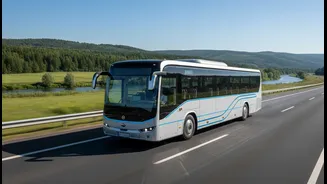
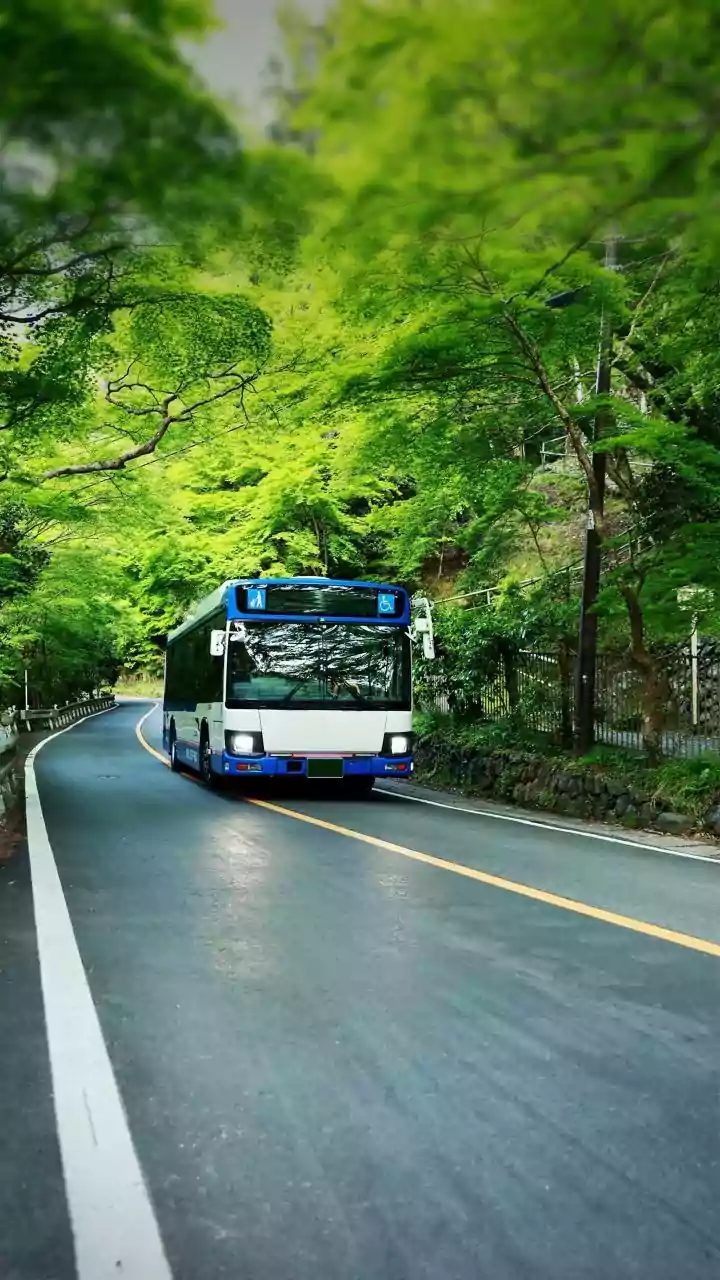
Forget the cramped seats and noisy engines of yesterday's coaches. A new generation of operators, including brands like NueGo, Fresh Bus, and zingbus, is redefining intercity travel by focusing on passenger experience. These are not just standard buses
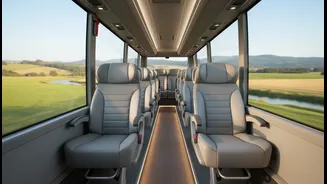
with an electric motor; they are designed from the ground up for enhanced comfort and service. Passengers can expect amenities like wider reclining seats, individual charging ports, onboard Wi-Fi, and filtered air-conditioning. Some operators even offer airport-like premium lounges in select cities, providing a comfortable waiting area before departure. The 'premium' tag also extends to service, with a focus on trained, courteous staff and a seamless online booking process. The near-silent operation of the electric motor also significantly reduces noise and vibration, making for a much smoother and more peaceful journey.
The Promise of Punctuality
For years, bus travelers have factored in unpredictable delays as a part of the journey. Operators of these new electric fleets are using technology to tackle this head-on. Features like real-time GPS tracking, live ETAs shared via mobile apps, and professionally managed operations aim to restore faith in bus schedules. Because these services are often run by well-capitalized companies on high-density routes, they can invest in operational efficiencies that smaller, single-bus owners cannot. By controlling everything from maintenance to driver protocols and mid-journey halts, these companies aim to deliver a more consistent and reliable service, making bus travel a more predictable option for business and leisure travelers alike.
Tackling the Charging Challenge
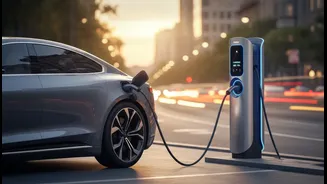
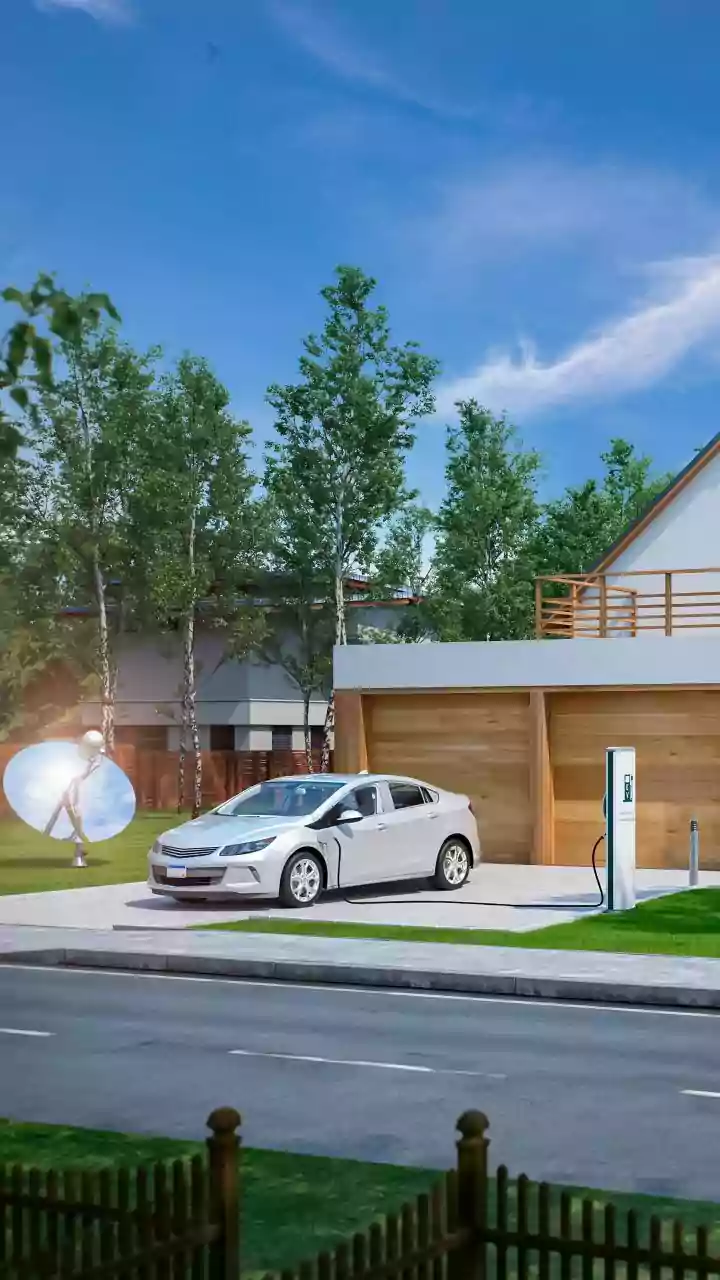
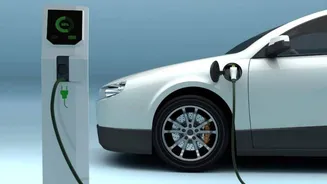
The biggest question surrounding electric vehicles is always about range and charging. For intercity routes that span hundreds of kilometres, this is a critical hurdle. Operators are addressing this by building their own charging infrastructure from the ground up. Companies like NueGo have developed over 50 midpoint stops with dedicated charging facilities to ensure their buses can complete long-haul routes without issue. A partnership between Fresh Bus and Exponent Energy aims to roll out a network of 1.5 MW rapid chargers, capable of charging a bus in just 15 minutes during a highway pitstop. This strategy allows for diesel-like operational efficiency and a range of up to 1,000 kilometres per day, directly addressing the core challenge of long charging times.
Reliability Beyond the Battery
Route reliability is not just about keeping the battery charged; it is also about the mechanical health of the vehicle. Electric buses have fewer moving parts than their diesel counterparts, which translates to lower maintenance costs and potentially fewer breakdowns. Operators are also implementing rigorous safety and maintenance protocols. NueGo, for instance, conducts 25 pre-departure checks on each coach and equips its fleet with driver monitoring systems and speed limiters. These modern fleets, backed by corporate service standards, are designed to be more dependable than older buses, where maintenance can be inconsistent. However, challenges remain, as the technology is still new in India, and the long-term performance under varied climatic conditions is still being studied.
The Question of Cost
While premium features are appealing, the final decision for many travelers comes down to price. The initial cost of an electric bus is significantly higher than a diesel one. However, the operational economics tell a different story. The running cost of an electric bus can be up to 80% lower than a diesel one, primarily due to cheaper electricity versus volatile fuel prices. This allows operators to offer competitive, and sometimes even lower, ticket prices compared to diesel AC buses, especially when fuel costs are high. As a result, passengers get a premium experience—quieter, cleaner, and more comfortable—often without a significant price hike, fundamentally changing the value equation of bus travel.