




An Unassuming Superfood
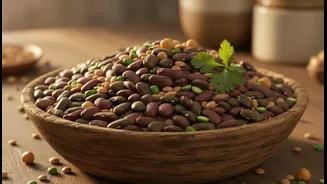
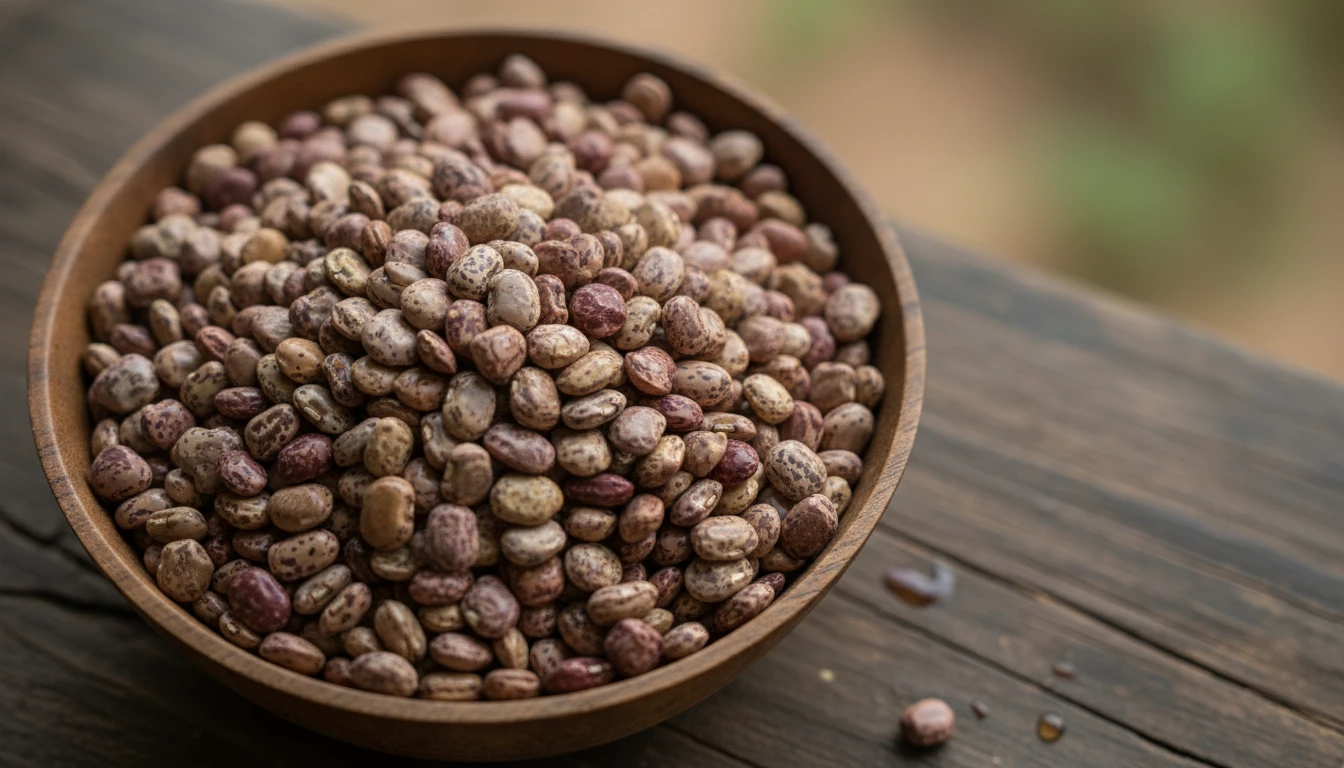
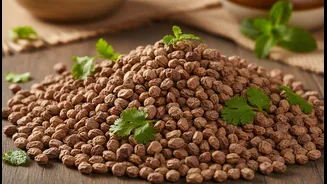
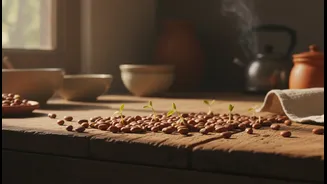
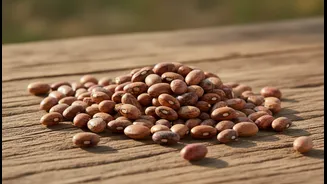
Known as kulthi in Hindi, kollu in Tamil, and hurali in Kannada, horse gram has been a quiet cornerstone of Indian regional diets for centuries. Historically, this hardy, drought-resistant legume was valued in rural communities for its affordability and nourishing
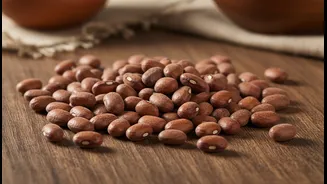
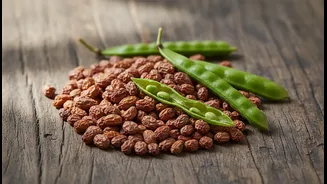
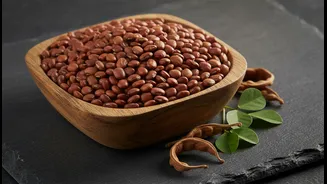
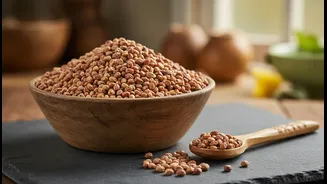
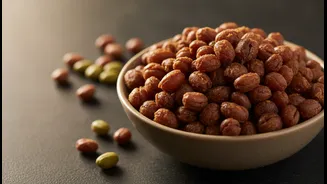
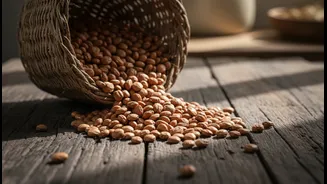
properties. Its English name comes from its traditional use as fodder for horses and other livestock, a fact that perhaps contributed to its rustic, non-glamorous image. But hidden within this small, reddish-brown lentil is a nutritional powerhouse. It's packed with protein, containing one of the highest concentrations among pulses, along with substantial dietary fibre, iron, and calcium. Ayurvedic traditions have long recognized its medicinal properties, considering it a warming food that aids digestion and detoxification.
A Legacy in Regional Kitchens
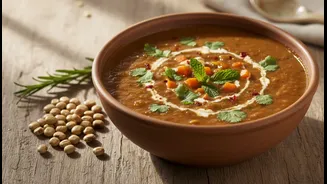
Across India, horse gram has been prepared in countless ways, each reflecting the local palate and climate. In the south, Kollu Rasam is a peppery, comforting soup often used as a remedy for colds and coughs. In Karnataka, Huruli Saaru is a staple gravy enjoyed with rice. Other traditional preparations include hearty dals, spicy chutneys and powders (podis), and crispy fritters or vadais. These dishes were designed to be filling and provide sustained energy for long days of physical work, making horse gram an essential, life-sustaining ingredient. However, with increasing urbanisation and a shift towards quicker-cooking lentils, many of these time-honoured recipes began to fade from mainstream memory, confined mostly to the kitchens of older generations.
The Contemporary Culinary Revival
Today, a new wave of Indian chefs and health-conscious consumers are rediscovering forgotten ingredients, and horse gram is at the forefront of this movement. The renewed interest is driven by several factors: a growing demand for plant-based protein, a focus on wellness and superfoods, and a desire to celebrate indigenous Indian produce. Chefs are looking beyond the usual pantry staples and exploring the unique, earthy flavours of ingredients like kulthi. This revival is not just happening in fine-dining restaurants but also in modern cafes and health-food brands that are introducing horse gram in accessible, contemporary formats. This shift is bringing the once-humble lentil to a new, urban audience that is curious about both flavour and nutritional benefits.
How Chefs Are Innovating
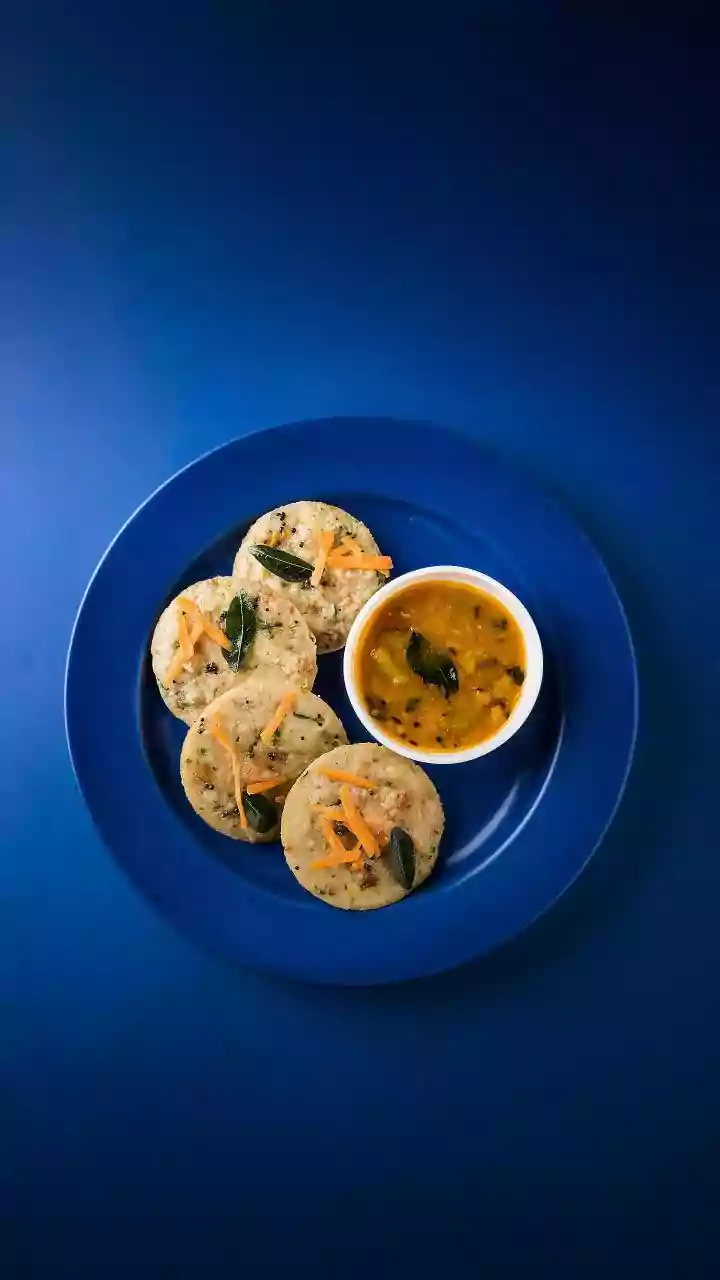
Modern chefs are not just replicating traditional recipes; they are reimagining horse gram for the contemporary palate. Its robust, nutty flavour provides a unique base for experimentation. We are now seeing horse gram flour being used to make everything from high-protein rotis and dosas to gluten-free breads and baked goods. Its earthy notes are being incorporated into Western-style dishes like soups, hummus, and even hearty vegetarian loaves. Some restaurants are deconstructing traditional ideas, like presenting a refined version of a kulthi dal or using its sprouts in vibrant, protein-rich salads. This culinary creativity is showcasing the versatility of horse gram, proving it can be both a rustic comfort food and a sophisticated ingredient in a modern chef's arsenal.