



The Promise: A Shot for Weight Loss
Medications like semaglutide and tirzepatide, known as GLP-1 agonists, have become incredibly popular for their significant impact on weight. They work by mimicking a gut hormone that tells your brain you're full, slows down digestion, and helps regulate
blood sugar. The result is a powerful reduction in appetite and calorie intake, leading to weight loss that has been a game-changer for many struggling with obesity and related health issues. The appeal is obvious: a medical tool that makes the difficult task of losing weight feel more manageable. But as the kilos come off, a critical question has emerged: what kind of weight is actually being lost?
The Hidden Risk: Losing More Than Just Fat
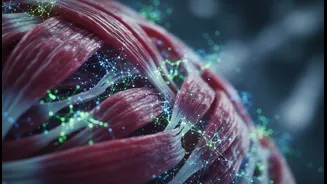
Rapid weight loss, whether from medication or extreme dieting, comes with a well-documented risk: the loss of lean body mass. This isn't just fat; it includes crucial, metabolically active muscle tissue. Studies have suggested that on GLP-1 medications, anywhere from 20% to 40% of the total weight lost can come from this lean mass. Losing muscle is counterproductive to long-term health. Muscle burns more calories at rest than fat does, so losing it can slow your metabolism, making it harder to keep the weight off in the future. It can also lead to weakness, reduced physical function, and a condition called sarcopenia (age-related muscle loss), which is a serious concern for long-term vitality.
The Evidence: Exercise as the Great Protector
This is where exercise enters the picture, not as an optional add-on, but as a crucial component of a healthy weight-loss strategy. Research overwhelmingly supports combining physical activity with these new medications. The primary reason is to protect your muscle. Exercise, particularly resistance training, sends a clear signal to your body to preserve (and even build) muscle tissue, even when you're in a calorie deficit. This ensures you are primarily losing fat, not the muscle that keeps your metabolism running efficiently. Studies have shown that patients who incorporate regular exercise while on these drugs achieve better body composition and are more successful at maintaining their weight loss after stopping the medication.
Strength Training: Your Non-Negotiable Ally
While any movement is beneficial, experts say resistance training is the single most important type of exercise to pair with weight-loss medications. This doesn't mean you need to become a bodybuilder. Consistency is more important than intensity. Activities that make your muscles work against a force—like lifting weights, using resistance bands, or even doing bodyweight exercises like squats and push-ups—are incredibly effective. Aiming for two to three sessions per week can be enough to signal your body to hold onto its valuable muscle mass. This practice not only preserves your strength and metabolism but also improves body tone and functional fitness for daily life.
Don't Forget Cardio and Flexibility
While strength training is critical for muscle preservation, aerobic exercise (cardio) remains vital for overall health. Activities like brisk walking, cycling, or swimming are essential for heart health, improving how your body uses oxygen and burning calories. Some patients on GLP-1s report feeling fatigued, and light aerobic exercise can actually help boost energy levels. Combining cardio with your medication can enhance its positive effects on blood sugar control and cardiovascular risk factors. Furthermore, incorporating flexibility work like yoga or simple stretching can improve mobility, reduce the risk of injury, and support your mental well-being throughout your health journey.