
The End of the Catalogue Look
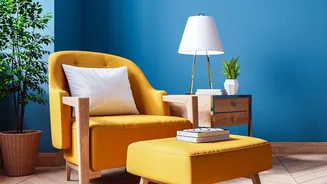
The perfectly matched five-piece living room set, once a hallmark of a 'well-done' interior, is losing its charm. Homeowners are realising that a room where everything matches can sometimes feel impersonal, more like a furniture showroom than a home.
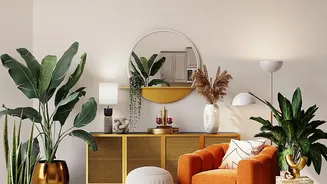
The move is away from rigid, uniform design rules and towards spaces that feel curated over time, reflecting the lives and stories of the people in them. This shift isn't about rejecting beautiful furniture; it's about questioning whether it all needs to come from the same collection. The modern luxury isn't a room that looks expensive, but one that feels uniquely 'you'.
Why Character is the New Cohesion
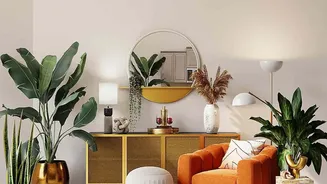
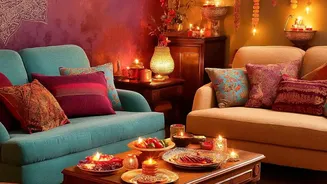
The growing preference for character is rooted in a desire for authenticity. A home is a canvas for personal expression, a place to tell your story. This is where eclectic design comes in, blending different styles, eras, and textures to create a space that is layered and full of meaning. Memories, after all, rarely arrive in matching sets. The armchair inherited from a grandparent, the handcrafted lamp from a local artisan, the rug from a memorable trip—these are the pieces that infuse a home with soul. This approach, sometimes called 'maximalism' or 'artisan maximalism', celebrates individuality and the beauty of a home assembled with love, not just purchased in a single shopping trip.
The Charm of the Imperfect Find
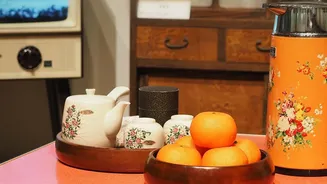
This trend has sparked a renewed appreciation for vintage, handcrafted, and artisanal pieces. Homeowners are seeking out solid wood furniture, known for its durability and natural grain, over mass-produced items. There is a particular draw towards items that show the hand of the maker, from handloom throws and block-printed textiles to unique brass or terracotta artifacts. The Japanese concept of 'wabi-sabi', which finds beauty in imperfection, is also influencing Indian homes, encouraging the use of natural materials and pieces with unique variations. This embrace of the imperfect makes a space feel more lived-in, warm, and authentic.
How to Master the Mixed-Up Look
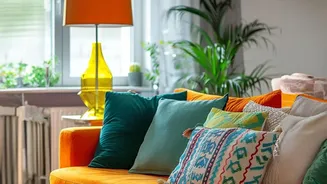
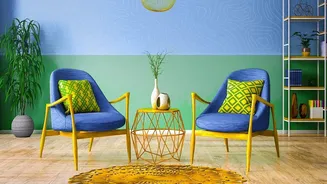
Creating a beautiful, eclectic space isn't about random clutter; it's about 'intentional abundance'. The key is to create harmony from differences. A good strategy is to find a unifying element. This could be a consistent colour palette—using earthy tones like terracotta, sage, and sand to tie different pieces together—or a recurring texture. For example, a sleek modern sofa can be beautifully paired with a vintage wooden armchair and an artisanal rug if they share a common colour thread. Layering is also crucial. Mix textures like jute, wool, brass, and wood to create visual interest. The goal is to build a room that feels balanced and personal, where every piece, whether old or new, feels like it belongs.
A Reflection of Modern India
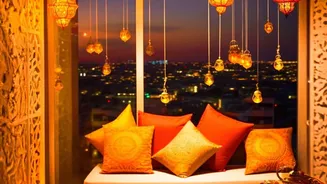
This shift in interior design mirrors a broader cultural change. There's a growing sense of individuality and a renewed pride in local craftsmanship and heritage. Homeowners are blending global trends with uniquely Indian elements, such as traditional motifs, textiles, and handcrafted items. The result is a home that feels both modern and deeply rooted. As living spaces have also become multifunctional—serving as offices, classrooms, and relaxation zones—the furniture within them needs to be more flexible and personal. Ultimately, this trend is about creating a home that supports and reflects the lives being lived there, making it a true sanctuary.