


The Post-Monsoon Paradox
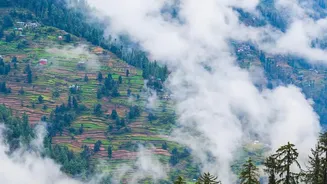
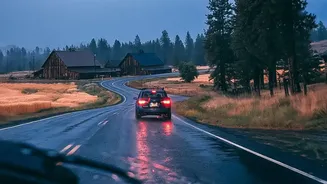
The allure of driving to the mountains after the rains is undeniable. The air is crisp, the landscapes are lush, and waterfalls are still in their prime. However, the post-monsoon period is a tricky one for drivers. The soil is often saturated, making
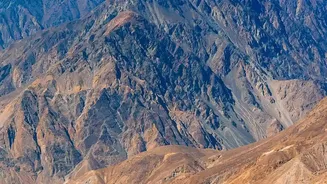
hillsides unstable, and roads that have endured months of downpour can be in a state of disrepair. The Himalayas and the Western Ghats, India's most popular mountain destinations, are particularly prone to landslides during and immediately after the monsoon. What appears to be a perfect getaway requires careful planning to avoid the hidden dangers that linger after the clouds have parted.
Your Vehicle: The First Line of Defence
Before you even think about hitting the winding roads, a thorough vehicle check is non-negotiable. Mountain driving puts immense strain on a car. Start with the essentials: your brakes. They will be working overtime on steep descents, so ensure your brake pads have adequate life and the brake fluid is at the correct level. Tyres are just as critical for grip on unpredictable surfaces. Check the tread depth and ensure all five tyres, including the spare, are properly inflated according to the manufacturer's specifications for the load you'll be carrying. Also, inspect your wipers, headlights, fog lamps, and engine fluids like coolant and oil, as long uphill climbs can cause the engine to heat up.
Mastering the Art of Mountain Driving
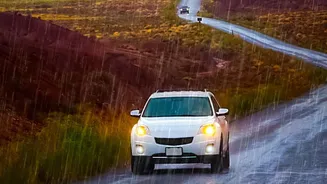
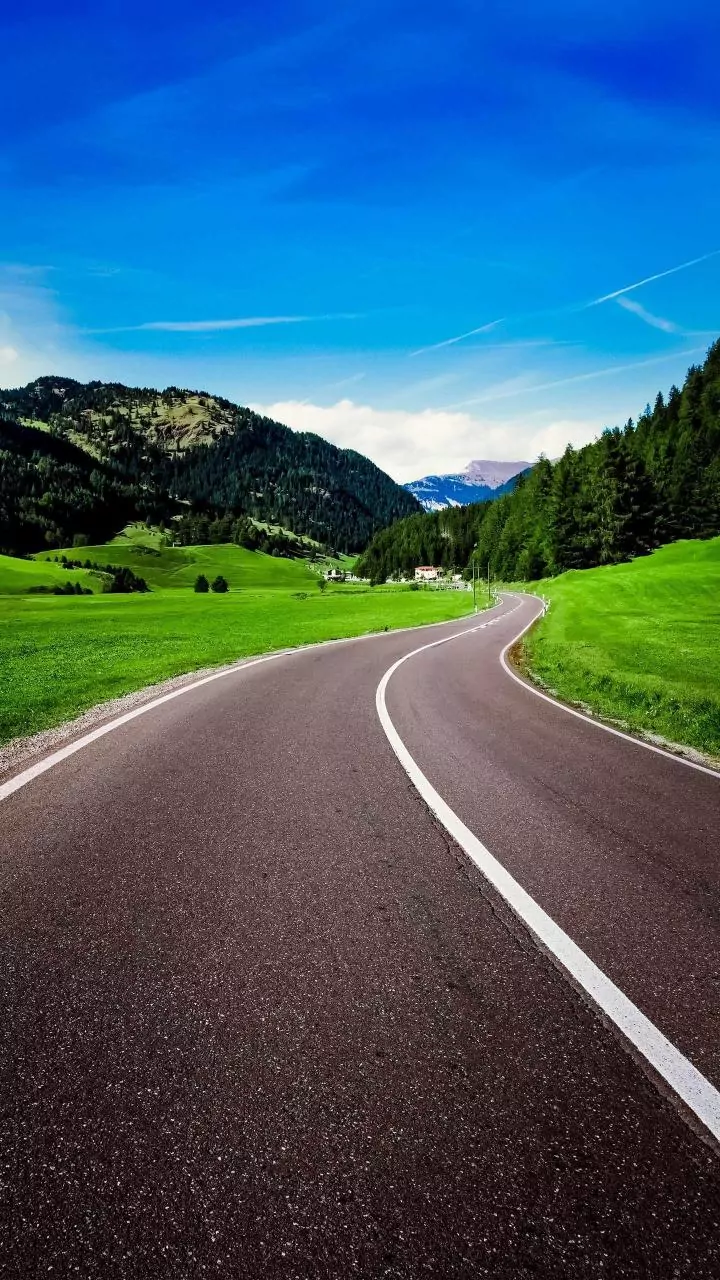
Driving in the hills demands a different skill set than on city roads. The golden rule is to drive at a controlled speed, especially on wet or narrow roads. When descending steep slopes, shift to a lower gear instead of constantly riding the brakes. This technique, known as engine braking, helps control your speed without overheating the brake system. Maintain a safe distance from the vehicle ahead, as stopping distances can be longer on inclines and slippery patches. Be particularly cautious on sharp curves and avoid sudden acceleration or braking. Local drivers often suggest starting early in the day, as rainfall and fog tend to become more intense in the afternoons.
Beware of Hidden Road Hazards
Post-monsoon roads are notorious for unexpected hazards. Landslides can leave behind loose soil, rocks, and debris. Be vigilant in areas marked as landslide-prone zones and never stop your vehicle directly below an unstable-looking cliff. Another invisible danger, especially as temperatures begin to drop in autumn, is black ice. This thin, transparent layer of ice forms on the road surface, making it extremely slippery and hard to spot. It is most common on bridges, overpasses, and shaded sections of the road. If you encounter it, the key is to remain calm, avoid sudden movements, and steer straight.
Pack for the Unexpected
Your packing list should extend beyond clothes and toiletries. An emergency kit for your car is essential. This should include a first-aid kit, a torch with extra batteries, jumper cables, and a basic toolkit. Given the unpredictable weather, getting stranded is a real possibility, so carry extra food, drinking water, and warm blankets. Since mobile networks can be unreliable in remote areas, a physical map and a fully charged power bank are wise additions. For personal comfort, pack clothes in layers, including a waterproof jacket, as mountain weather can change in an instant.
Check Local Conditions Before You Leave
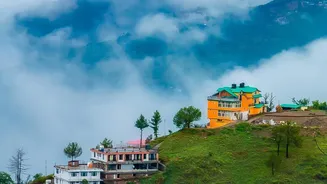
Finally, before you begin your journey, always check the latest travel advisories and weather forecasts for your destination. Roads can be closed due to landslides or heavy traffic, especially during long weekends when popular hill stations like Shimla, Manali, and Mussoorie see a massive influx of tourists. Local authorities and district administration websites or social media handles often provide real-time updates on road conditions. A quick check can save you from being stuck for hours and ensure your trip is remembered for its stunning views, not its traffic jams.