

Planning Your Rainforest Expedition
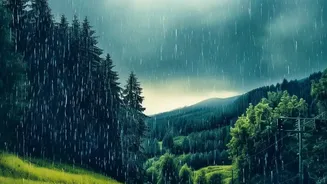
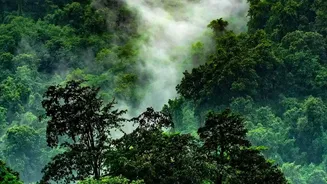
The best time to witness Agumbe in its full glory depends on what you want to capture. For lush, vibrant greenery and waterfalls at their peak, the monsoon season from June to September is spectacular, though it requires cautious driving on wet roads.
For clearer skies, pleasant weather, and accessible trekking trails, the post-monsoon months from October to February are ideal. When packing, essentials include rain gear, waterproof bags for your camera equipment, and sturdy shoes. Due to the humid climate, insect repellent is also advisable. For treks through the forest, leech socks are a must, which can often be obtained locally.
The Scenic Drive from Bangalore
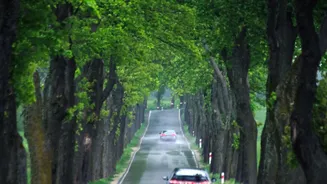
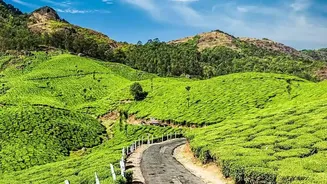
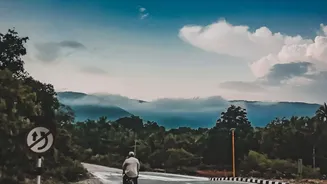
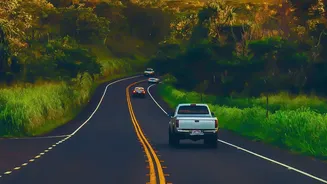
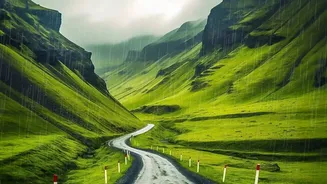
The journey from Bangalore to Agumbe is an adventure in itself, spanning approximately 350-380 kilometres and taking about seven to eight hours. A popular and scenic route runs via NH75 through Hassan and Belur, before heading towards Sringeri and finally ascending the famous Agumbe Ghat. This route offers chances to stop at historic temple towns. An alternative goes via Chikmagalur, which is slightly longer but rewards drivers with picturesque views of the Malnad region's coffee estates. The final stretch, the Agumbe Ghat road, is known for its hairpin bends and can be challenging, especially during monsoons, so it’s best to drive cautiously and avoid travelling at night.
Iconic Viewpoints for Photographers
Agumbe is dotted with viewpoints that offer panoramic vistas. The most famous is Sunset Point, located at one of the highest peaks of the Western Ghats, providing a stunning view of the sun setting over the Arabian Sea on clear days. For those seeking dramatic landscapes, a trek to the Barkana Falls viewpoint reveals one of Karnataka's tallest waterfalls cascading down amidst dense forest. Kundadri Hill, a monolithic rock formation with a 17th-century Jain temple at its summit, offers misty morning views that are a photographer's dream. Other notable spots include Onake Abbi Falls and Jogi Gundi Falls, each requiring a short trek but offering serene, photogenic settings.
Tips for Capturing the Rainforest
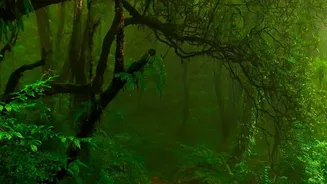
Rainforest photography comes with unique challenges like low light, constant mist, and rain. A tripod is essential for maintaining stability and achieving sharp images in dim conditions. An external flash with a diffuser can be very helpful, especially for macro photography of the region's diverse insects and amphibians. To protect your gear, a waterproof camera bag and a large umbrella are indispensable. Don't just focus on the grand landscapes; the rainforest is rich with details. Look for vibrant fungi, camouflaged creatures like the Malabar gliding frog, and the intricate patterns of wet leaves. A polarizing filter can help reduce glare on wet surfaces and enhance the greens of the foliage.
Deeper into the Ecosystem
To truly appreciate Agumbe, look beyond the viewpoints. A visit to the Agumbe Rainforest Research Station (ARRS) offers a fascinating glimpse into the region's rich biodiversity and conservation efforts. Famed for its work on the King Cobra, the station provides educational tours where you can learn about the unique flora and fauna from knowledgeable researchers. It’s a chance to understand the delicate balance of this UNESCO World Heritage Site. Also, don't miss a visit to Doddamane, the heritage house where the famous TV series 'Malgudi Days' was filmed, offering a touch of nostalgia and local culture.