



Start With the Right Plant
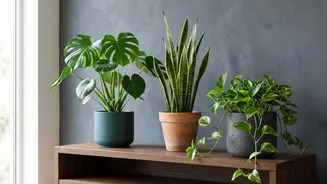
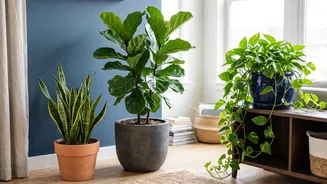
Your journey to a green thumb begins at the selection stage. For beginners in India, choosing a forgiving plant is key. Look for species that are known for their resilience and adaptability to a range of indoor conditions. Plants like the Snake Plant (Sansevieria),
ZZ Plant (Zamioculcas zamiifolia), and Money Plant (Epipremnum aureum) are excellent choices. These varieties tolerate irregular watering and a wider spectrum of light conditions, from low to bright indirect light. They are practically designed to survive a beginner's learning curve, making them perfect companions as you build your confidence. Starting with an easy-care plant sets you up for success and makes the entire experience more rewarding.
Understand the Golden Rule of Watering
The single most common mistake in houseplant care is improper watering, and more often than not, it's overwatering. Plant roots need air just as much as they need water, and constantly saturated soil can lead to root rot, which is often irreversible. Before you water, always check the soil. A simple method is to stick your finger about an inch or two into the soil. If it feels dry, it's time to water. If it's still moist, wait another day or two. When in doubt, it is always better to underwater than to overwater. Most common houseplants are more likely to forgive a bit of thirst than they are to recover from drowning. When you do water, do so thoroughly until water runs out of the drainage hole at the bottom of the pot, then discard the excess water.
Let There Be (the Right) Light
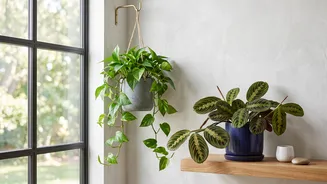
Light is food for your plants. But just like with watering, 'more' isn't always 'better'. Most popular indoor plants thrive in bright, indirect light. In an Indian home, this often means placing them near a north or east-facing window, or a few feet away from a south or west-facing window, perhaps filtered by a sheer curtain. Direct, harsh afternoon sun can scorch the leaves, causing them to look burnt or faded. On the other hand, insufficient light will cause stunted growth and yellowing leaves. Observe your space before you buy a plant. Notice where the light falls throughout the day and choose a plant that fits the spot. Don't try to force a sun-loving plant to live in a dark corner.
A Good Home: Pots and Soil
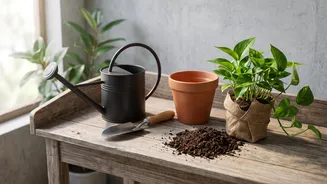
The container and soil you use are the foundation of your plant's health. The most critical feature of any pot is a drainage hole. Without it, excess water has nowhere to go, creating a boggy environment that suffocates roots. When it comes to size, choose a pot that is just one to two inches wider in diameter than the plant's current root ball. A pot that's too large holds excess soil and water, which can lead to root rot. For the soil itself, avoid using heavy garden soil or red soil, which compacts easily and retains too much water for container plants. Instead, use a well-draining potting mix. You can buy pre-made mixes or create your own by combining coco peat, perlite, and compost for a balanced, airy medium that your plants will love.
Less Is More With Fertiliser
Beginners often feel an urge to 'feed' their plants constantly, but this can do more harm than good. Houseplants generally have modest nutritional needs, especially when they are new. Too much fertiliser can burn the roots and damage the plant. A good rule of thumb is to fertilise sparingly. During the main growing season, typically in spring and summer, you can use a balanced, all-purpose liquid fertiliser once a month, usually diluted to half the recommended strength. During the winter or when the plant's growth slows down, you can reduce feeding or stop altogether. Always follow the instructions on the package and remember that healthy plants require a balance of light and water far more than they need constant feeding.